

Back

Rahul Agarwal
Founder | Agentic AI... • 4m
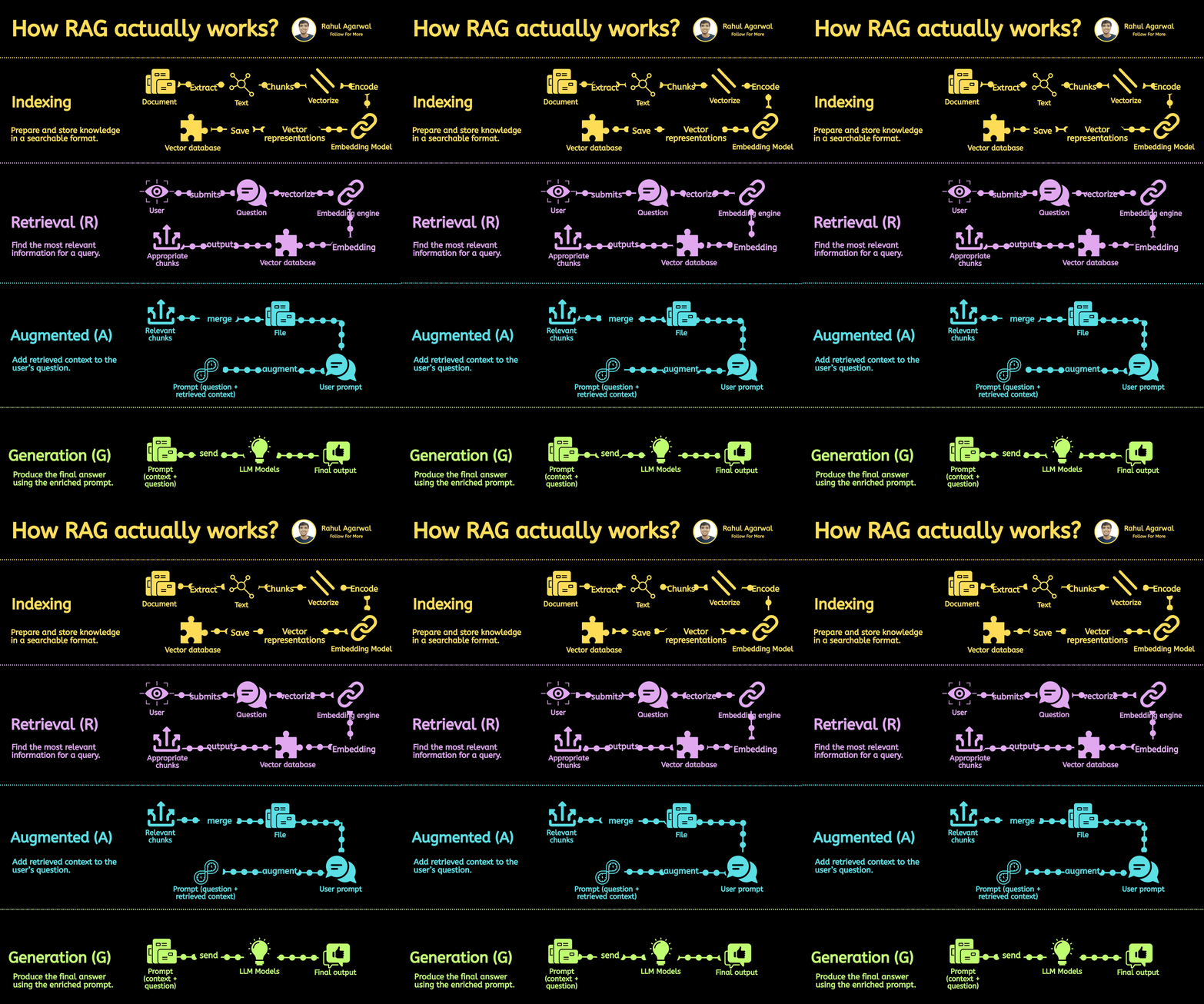
2 ways AI systems today generate smarter answers. I’ve explained both in simple steps below. 𝗥𝗔𝗚 (𝗥𝗲𝘁𝗿𝗶𝗲𝘃𝗮𝗹-𝗔𝘂𝗴𝗺𝗲𝗻𝘁𝗲𝗱 𝗚𝗲𝗻𝗲𝗿𝗮𝘁𝗶𝗼𝗻) (𝘴𝘵𝘦𝘱-𝘣𝘺-𝘴𝘵𝘦𝘱) RAG lets AI fetch and use real-time external information to generate fact-based, updated answers. 1. 𝗦𝘁𝗮𝗿𝘁 𝘄𝗶𝘁𝗵 𝗾𝘂𝗲𝗿𝘆 – User asks a question or gives input. 2. 𝗘𝗻𝗰𝗼𝗱𝗲 𝗶𝗻𝗽𝘂𝘁 – Convert it into a machine-readable format. 3. 𝗧𝗼𝗸𝗲𝗻𝗶𝘇𝗲 𝘁𝗲𝘅𝘁 – Break the query into small understandable pieces. 4. 𝗚𝗲𝗻𝗲𝗿𝗮𝘁𝗲 𝗲𝗺𝗯𝗲𝗱𝗱𝗶𝗻𝗴𝘀 – Turn text into numeric vectors that capture meaning. 5. 𝗥𝗲𝘁𝗿𝗶𝗲𝘃𝗲 𝗸𝗻𝗼𝘄𝗹𝗲𝗱𝗴𝗲 – Search a vector database for relevant information. 6. 𝗦𝗲𝗹𝗲𝗰𝘁 𝗰𝗼𝗻𝘁𝗲𝘅𝘁 – Pick the most useful retrieved chunks. 7. 𝗙𝗶𝗹𝘁𝗲𝗿 𝗻𝗼𝗶𝘀𝗲 – Remove irrelevant or low-quality data. 8. 𝗙𝘂𝘀𝗲 𝗸𝗻𝗼𝘄𝗹𝗲𝗱𝗴𝗲 – Combine external info with the model’s internal knowledge. 9. 𝗚𝗲𝗻𝗲𝗿𝗮𝘁𝗲 𝗿𝗲𝘀𝗽𝗼𝗻𝘀𝗲 – Create an answer using both retrieved data and reasoning. 10. 𝗩𝗮𝗹𝗶𝗱𝗮𝘁𝗲 𝗼𝘂𝘁𝗽𝘂𝘁 – Check for factual accuracy and coherence. 11. 𝗥𝗲𝗺𝗼𝘃𝗲 𝗯𝗶𝗮𝘀 – Eliminate misleading or biased phrasing. 12. 𝗗𝗲𝗹𝗶𝘃𝗲𝗿 𝗳𝗶𝗻𝗮𝗹 𝗼𝘂𝘁𝗽𝘂𝘁 – Provide the user with a reliable, fact-backed response. __________________________________________________ 𝗖𝗔𝗚 (𝗖𝗼𝗻𝘁𝗲𝘅𝘁-𝗔𝘂𝗴𝗺𝗲𝗻𝘁𝗲𝗱 𝗚𝗲𝗻𝗲𝗿𝗮𝘁𝗶𝗼𝗻) (𝘴𝘵𝘦𝘱-𝘣𝘺-𝘴𝘵𝘦𝘱) CAG lets AI remember past interactions to provide more relevant, personalized, and context-aware responses. 1. 𝗦𝘁𝗮𝗿𝘁 𝘄𝗶𝘁𝗵 𝗾𝘂𝗲𝗿𝘆 – User provides input or a task request. 2. 𝗣𝗿𝗼𝗰𝗲𝘀𝘀 𝗶𝗻𝗽𝘂𝘁 – Convert it into a structured format for the model. 3. 𝗜𝗻𝗷𝗲𝗰𝘁 𝗰𝗼𝗻𝘁𝗲𝘅𝘁 – Add relevant background (past chats, user data, goals). 4. 𝗥𝗲𝗰𝗮𝗹𝗹 𝗱𝗼𝗺𝗮𝗶𝗻 𝗺𝗲𝗺𝗼𝗿𝘆 – Bring in domain-specific knowledge or prior interactions. 5. 𝗔𝗰𝗰𝗲𝘀𝘀 𝗸𝗻𝗼𝘄𝗹𝗲𝗱𝗴𝗲 𝗯𝗮𝘀𝗲 – Fetch related internal or external references. 6. 𝗠𝗲𝗿𝗴𝗲 𝗱𝗮𝘁𝗮 – Combine all context and knowledge sources. 7. 𝗚𝗲𝗻𝗲𝗿𝗮𝘁𝗲 𝗼𝘂𝘁𝗽𝘂𝘁 – Create a response using this rich, aligned context. 8. 𝗩𝗲𝗿𝗶𝗳𝘆 𝗿𝗲𝘀𝗽𝗼𝗻𝘀𝗲 – Check the result for logical and contextual accuracy. 9. 𝗘𝘅𝗽𝗮𝗻𝗱 𝗰𝗼𝗻𝘁𝗲𝘅𝘁 – Enrich the response with more relevant details if needed. 10. 𝗔𝗹𝗶𝗴𝗻 𝗰𝗼𝗻𝘁𝗲𝘅𝘁 – Ensure the output fits the user’s prior goals or conversation. 11. 𝗖𝗵𝗲𝗰𝗸 𝗰𝗼𝗻𝘀𝗶𝘀𝘁𝗲𝗻𝗰𝘆 – Confirm that everything stays coherent and connected. 12. 𝗗𝗲𝗹𝗶𝘃𝗲𝗿 𝗳𝗶𝗻𝗮𝗹 𝗼𝘂𝘁𝗽𝘂𝘁 – Provide a complete, context-aware, and consistent answer. In short: • 𝗥𝗔𝗚 gives models access to the 𝗿𝗶𝗴𝗵𝘁 𝗶𝗻𝗳𝗼𝗿𝗺𝗮𝘁𝗶𝗼𝗻. • 𝗖𝗔𝗚 helps them use it 𝗶𝗻 𝘁𝗵𝗲 𝗿𝗶𝗴𝗵𝘁 𝗰𝗼𝗻𝘁𝗲𝘅𝘁. Together, they make AI systems: more accurate, more reliable, more personalized and more useful in real-world workflows. ✅ Repost for others in your network who can benefit from this.

More like this
Recommendations from Medial







/entrackr/media/post_attachments/wp-content/uploads/2021/08/Accel-1.jpg)
























Download the medial app to read full posts, comements and news.