

Back

Rahul Agarwal
Founder | Agentic AI... • 1m
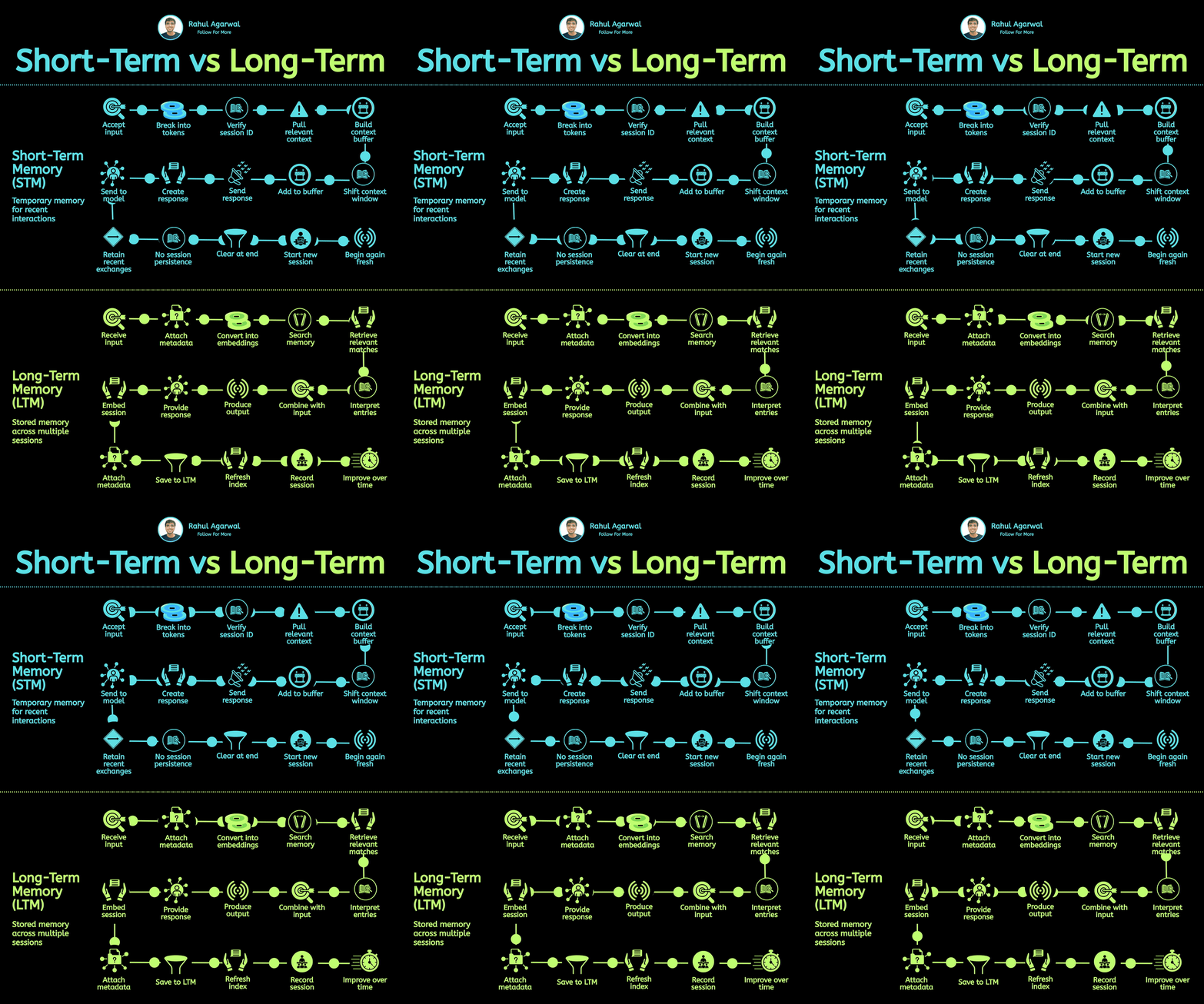
Very few people understand, how AI memory works. I've explained in simple below. 𝗦𝗵𝗼𝗿𝘁-𝗧𝗲𝗿𝗺 𝗠𝗲𝗺𝗼𝗿𝘆(𝗦𝗧𝗠) 1. 𝗔𝗰𝗰𝗲𝗽𝘁 𝗶𝗻𝗽𝘂𝘁 –The system receives your message (question/prompt). 2. 𝗕𝗿𝗲𝗮𝗸 𝗶𝗻𝘁𝗼 𝘁𝗼𝗸𝗲𝗻𝘀– Your message is divided into smaller units (tokens) so the model can process it. 3. 𝗩𝗲𝗿𝗶𝗳𝘆 𝘀𝗲𝘀𝘀𝗶𝗼𝗻 𝗜𝗗– The system checks which conversation the message belongs to. 4. 𝗣𝘂𝗹𝗹 𝗿𝗲𝗹𝗲𝘃𝗮𝗻𝘁 𝗰𝗼𝗻𝘁𝗲𝘅𝘁– It gathers recent messages from the same chat. 5. 𝗕𝘂𝗶𝗹𝗱 𝗰𝗼𝗻𝘁𝗲𝘅𝘁 𝗯𝘂𝗳𝗳𝗲𝗿– It combines your new message and recent chat history into working memory. 6. 𝗦𝗲𝗻𝗱 𝘁𝗼 𝗺𝗼𝗱𝗲𝗹– The complete context is sent to the AI model. 7. 𝗖𝗿𝗲𝗮𝘁𝗲 𝗿𝗲𝘀𝗽𝗼𝗻𝘀𝗲– The model generates an answer. 8. 𝗦𝗲𝗻𝗱 𝗿𝗲𝘀𝗽𝗼𝗻𝘀𝗲– The reply is displayed to you. 9. 𝗔𝗱𝗱 𝘁𝗼 𝗯𝘂𝗳𝗳𝗲𝗿– The new message and response are stored in the conversation memory. 10. 𝗦𝗵𝗶𝗳𝘁 𝗰𝗼𝗻𝘁𝗲𝘅𝘁 𝘄𝗶𝗻𝗱𝗼𝘄– If memory becomes too large, older messages are removed to free up space. 11. 𝗥𝗲𝘁𝗮𝗶𝗻 𝗿𝗲𝗰𝗲𝗻𝘁 𝗲𝘅𝗰𝗵𝗮𝗻𝗴𝗲𝘀– Only the latest conversation turns are kept. 12. 𝗡𝗼 𝘀𝗲𝘀𝘀𝗶𝗼𝗻 𝗽𝗲𝗿𝘀𝗶𝘀𝘁𝗲𝗻𝗰𝗲– When the session ends, nothing is saved permanently. 13. 𝗖𝗹𝗲𝗮𝗿 𝗮𝘁 𝗲𝗻𝗱– The memory is erased after the conversation finishes. 14. 𝗦𝘁𝗮𝗿𝘁 𝗻𝗲𝘄 𝘀𝗲𝘀𝘀𝗶𝗼𝗻– Opening a new chat begins a fresh session. 15. 𝗕𝗲𝗴𝗶𝗻 𝗮𝗴𝗮𝗶𝗻 𝗳𝗿𝗲𝘀𝗵– The system does not remember anything from previous chats. ______________ 𝗟𝗼𝗻𝗴-𝗧𝗲𝗿𝗺 𝗠𝗲𝗺𝗼𝗿𝘆(𝗟𝗧𝗠) 1. 𝗥𝗲𝗰𝗲𝗶𝘃𝗲 𝗶𝗻𝗽𝘂𝘁– The system gets your message. 2. 𝗔𝘁𝘁𝗮𝗰𝗵 𝗺𝗲𝘁𝗮𝗱𝗮𝘁𝗮– Additional details are added, like time, session ID etc. 3. 𝗖𝗼𝗻𝘃𝗲𝗿𝘁 𝗶𝗻𝘁𝗼 𝗲𝗺𝗯𝗲𝗱𝗱𝗶𝗻𝗴𝘀– The message is transformed into a numerical vector representation. 4. 𝗦𝗲𝗮𝗿𝗰𝗵 𝗺𝗲𝗺𝗼𝗿𝘆– The system looks through stored past memories. 5. 𝗥𝗲𝘁𝗿𝗶𝗲𝘃𝗲 𝗿𝗲𝗹𝗲𝘃𝗮𝗻𝘁 𝗺𝗮𝘁𝗰𝗵𝗲𝘀– It finds similar past conversations or related stored information. 6. 𝗘𝗺𝗯𝗲𝗱 𝘀𝗲𝘀𝘀𝗶𝗼𝗻– The current session is also converted into embeddings. 7. 𝗣𝗿𝗼𝘃𝗶𝗱𝗲 𝗿𝗲𝘀𝗽𝗼𝗻𝘀𝗲– The system prepares a reply using both the current message and retrieved memories. 8. 𝗣𝗿𝗼𝗱𝘂𝗰𝗲 𝗼𝘂𝘁𝗽𝘂𝘁– The final answer is generated. 9. 𝗖𝗼𝗺𝗯𝗶𝗻𝗲 𝘄𝗶𝘁𝗵 𝗶𝗻𝗽𝘂𝘁– Past knowledge is merged with the current input. 10. 𝗜𝗻𝘁𝗲𝗿𝗽𝗿𝗲𝘁 𝗲𝗻𝘁𝗿𝗶𝗲𝘀– The system understands and applies the stored information correctly. 11. 𝗔𝘁𝘁𝗮𝗰𝗵 𝗺𝗲𝘁𝗮𝗱𝗮𝘁𝗮– Key information is labeled again for proper storage. 12. 𝗦𝗮𝘃𝗲 𝘁𝗼 𝗟𝗧𝗠– The conversation is stored permanently in long-term memory. 13. 𝗥𝗲𝗳𝗿𝗲𝘀𝗵 𝗶𝗻𝗱𝗲𝘅– The memory index or database is updated. 14. 𝗥𝗲𝗰𝗼𝗿𝗱 𝘀𝗲𝘀𝘀𝗶𝗼𝗻– This interaction is saved as part of the system’s history. 15. 𝗜𝗺𝗽𝗿𝗼𝘃𝗲 𝗼𝘃𝗲𝗿 𝘁𝗶𝗺𝗲– The system becomes more personalized and context-aware with continued use. ✅ Repost for others so they can understand this key difference.
More like this
Recommendations from Medial
Rahul Agarwal
Founder | Agentic AI... • 3m
Hands down the simplest explanation of AI agents using LLMs, memory, and tools. A user sends an input → the system (agent) builds a prompt and may call tools and memory-search (RAG) → agent decides and builds an answer → the answer is returned to th
See More


Nalin Kumar Srivastava
B.Tech Student | Dat... • 12m
Looking for Co-Founders & Team: Building AI-Powered Synthetic Memory for Humans! Imagine a future where you never forget an important conversation, an idea, or a moment. We’re building an AI-powered Synthetic Memory System—a revolutionary way to cap
See More




Vansh Khandelwal
Full Stack Web Devel... • 1y
In modern app development, new database trends like GraphQL and Redis are transforming data management. 𝐆𝐫𝐚𝐩𝐡𝐐𝐋 is a query language for APIs that allows clients to request specific data, avoiding over-fetching. Advantages include flexible da
See More



IncorpX
Your partner from St... • 10m
Imagine this: You wake up. ChatGPT reminds you of your goals. It summarizes your emails. Schedules your calls. Suggests gifts for your partner. And tracks your mood. Not because you prompted it-But because it remembers your life. This is the futu
See More



/entrackr/media/post_attachments/wp-content/uploads/2021/08/Accel-1.jpg)






















Download the medial app to read full posts, comements and news.