

Back

Rahul Agarwal
Founder | Agentic AI... • 4m
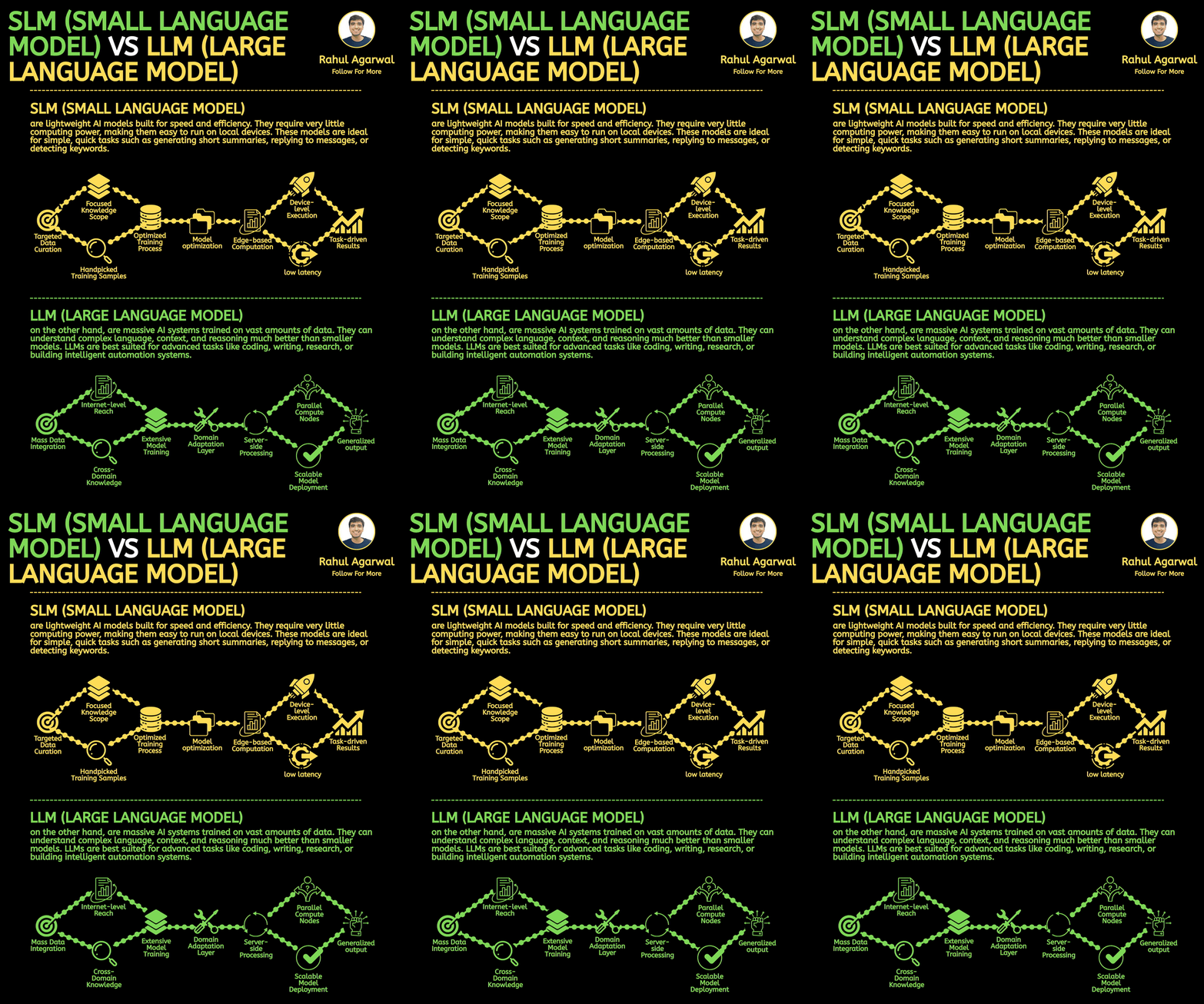
SLM vs LLM — which AI model is best for you? I’ve explained both in simple steps below. 𝗦𝗟𝗠 (𝗦𝗺𝗮𝗹𝗹 𝗟𝗮𝗻𝗴𝘂𝗮𝗴𝗲 𝗠𝗼𝗱𝗲𝗹) (𝘴𝘵𝘦𝘱-𝘣𝘺-𝘴𝘵𝘦𝘱) Lightweight AI models built for speed, focus, and on-device execution. 1. 𝗗𝗲𝗳𝗶𝗻𝗲 𝘀𝗽𝗲𝗰𝗶𝗳𝗶𝗰 𝗴𝗼𝗮𝗹 – Set a narrow and clear purpose for the model. 2. 𝗖𝗼𝗹𝗹𝗲𝗰𝘁 𝘁𝗮𝗿𝗴𝗲𝘁𝗲𝗱 𝗱𝗮𝘁𝗮 – Gather only the most relevant training examples. 3. 𝗛𝗮𝗻𝗱𝗽𝗶𝗰𝗸 𝘁𝗿𝗮𝗶𝗻𝗶𝗻𝗴 𝘀𝗮𝗺𝗽𝗹𝗲𝘀 – Use curated, high-quality data for accuracy. 4. 𝗟𝗶𝗺𝗶𝘁 𝗸𝗻𝗼𝘄𝗹𝗲𝗱𝗴𝗲 𝘀𝗰𝗼𝗽𝗲 – Focus learning on one domain or task type. 5. 𝗢𝗽𝘁𝗶𝗺𝗶𝘇𝗲 𝘁𝗿𝗮𝗶𝗻𝗶𝗻𝗴 𝗽𝗿𝗼𝗰𝗲𝘀𝘀 – Fine-tune parameters for fast, efficient learning. 6. 𝗖𝗼𝗺𝗽𝗿𝗲𝘀𝘀 𝗮𝗻𝗱 𝗿𝗲𝗳𝗶𝗻𝗲 𝗺𝗼𝗱𝗲𝗹 – Shrink size to run smoothly on devices. 7. 𝗘𝗻𝗮𝗯𝗹𝗲 𝗲𝗱𝗴𝗲-𝗯𝗮𝘀𝗲𝗱 𝗲𝘅𝗲𝗰𝘂𝘁𝗶𝗼𝗻 – Deploy directly on phones or small systems. 8. 𝗘𝗻𝘀𝘂𝗿𝗲 𝗹𝗼𝘄 𝗹𝗮𝘁𝗲𝗻𝗰𝘆 – Generate instant, real-time responses for users. 9. 𝗗𝗲𝗹𝗶𝘃𝗲𝗿 𝘁𝗮𝘀𝗸-𝗱𝗿𝗶𝘃𝗲𝗻 𝗼𝘂𝘁𝗽𝘂𝘁 – Produce short, accurate, goal-specific results. _____________________________________________ 𝗟𝗟𝗠 (𝗟𝗮𝗿𝗴𝗲 𝗟𝗮𝗻𝗴𝘂𝗮𝗴𝗲 𝗠𝗼𝗱𝗲𝗹) (𝘴𝘵𝘦𝘱-𝘣𝘺-𝘴𝘵𝘦𝘱) Powerful AI systems trained on massive, multi-domain data for deeper reasoning. • 𝗦𝗲𝘁 𝗯𝗿𝗼𝗮𝗱 𝗴𝗼𝗮𝗹 – Tackle open-ended and complex language problems. • 𝗖𝗼𝗹𝗹𝗲𝗰𝘁 𝗺𝗮𝘀𝘀𝗶𝘃𝗲 𝗱𝗮𝘁𝗮 – Gather diverse text from global sources online. • 𝗟𝗲𝗮𝗿𝗻 𝗮𝗰𝗿𝗼𝘀𝘀 𝗱𝗼𝗺𝗮𝗶𝗻𝘀 – Build understanding across many topics and fields. • 𝗧𝗿𝗮𝗶𝗻 𝘄𝗶𝘁𝗵 𝗽𝗼𝘄𝗲𝗿 – Use extensive GPUs for long training cycles. • 𝗔𝗱𝗱 𝗱𝗼𝗺𝗮𝗶𝗻 𝗳𝗼𝗰𝘂𝘀 – Fine-tune for specialized areas like law or health. • 𝗛𝗼𝘀𝘁 𝗼𝗻 𝗰𝗹𝗼𝘂𝗱 – Requires scalable and powerful remote servers. • 𝗘𝗻𝗮𝗯𝗹𝗲 𝗽𝗮𝗿𝗮𝗹𝗹𝗲𝗹 𝗽𝗿𝗼𝗰𝗲𝘀𝘀𝗶𝗻𝗴 – Distribute work across multiple compute nodes. • 𝗚𝗲𝗻𝗲𝗿𝗮𝘁𝗲 𝗰𝗿𝗲𝗮𝘁𝗶𝘃𝗲 𝗼𝘂𝘁𝗽𝘂𝘁𝘀 – Produce context-rich and flexible responses. • 𝗘𝘃𝗼𝗹𝘃𝗲 𝘄𝗶𝘁𝗵 𝗳𝗲𝗲𝗱𝗯𝗮𝗰𝗸 – Improve accuracy and reasoning over time. _____________________________________________ 𝗣𝗿𝗮𝗰𝘁𝗶𝗰𝗮𝗹 𝗧𝗿𝗮𝗱𝗲𝗼𝗳𝗳𝘀 • 𝗖𝗼𝘀𝘁: SLM low ← → LLM high • 𝗦𝗽𝗲𝗲𝗱: SLM very fast ← → LLM slower (network + compute) • 𝗔𝗰𝗰𝘂𝗿𝗮𝗰𝘆 𝗼𝗻 𝗻𝗮𝗿𝗿𝗼𝘄 𝘁𝗮𝘀𝗸: SLM high ← → LLM good (but sometimes overkill) • 𝗚𝗲𝗻𝗲𝗿𝗮𝗹 𝗸𝗻𝗼𝘄𝗹𝗲𝗱𝗴𝗲 & 𝗰𝗿𝗲𝗮𝘁𝗶𝘃𝗶𝘁𝘆: SLM limited ← → LLM strong • 𝗣𝗿𝗶𝘃𝗮𝗰𝘆: SLM better ← → LLM riskier unless secured 𝗪𝗵𝗶𝗰𝗵 𝗼𝗻𝗲 𝗶𝘀 𝗯𝗲𝘀𝘁 𝗳𝗼𝗿 𝘆𝗼𝘂𝗿 𝗯𝘂𝘀𝗶𝗻𝗲𝘀𝘀? 𝗧𝗮𝘀𝗸: Simple/repetitive → 𝗦𝗟𝗠 | Complex/creative → 𝗟𝗟𝗠 𝗥𝘂𝗻: On-device/offline → 𝗦𝗟𝗠 | Cloud OK → 𝗟𝗟𝗠 𝗦𝗽𝗲𝗲𝗱: Instant → 𝗦𝗟𝗠 | Slower OK → 𝗟𝗟𝗠 𝗕𝘂𝗱𝗴𝗲𝘁: Low → 𝗦𝗟𝗠 | High → 𝗟𝗟𝗠 𝗣𝗿𝗶𝘃𝗮𝗰𝘆: Must stay local → 𝗦𝗟𝗠 | Managed data OK → 𝗟𝗟𝗠 ✅ Repost for others in your network who can benefit from this.
More like this
Recommendations from Medial




Rahul Agarwal
Founder | Agentic AI... • 2m
8 common LLM types used in modern agent systems. 1) GPT (Generative Pretrained Transformer) Core model for many agents, strong in language understanding, generation, and instruction following. 2) MoE (Mixture of Experts) Routes tasks to specialized
See More


/entrackr/media/post_attachments/wp-content/uploads/2021/08/Accel-1.jpg)






















Download the medial app to read full posts, comements and news.