

Back

Rahul Agarwal
Founder | Agentic AI... • 2m
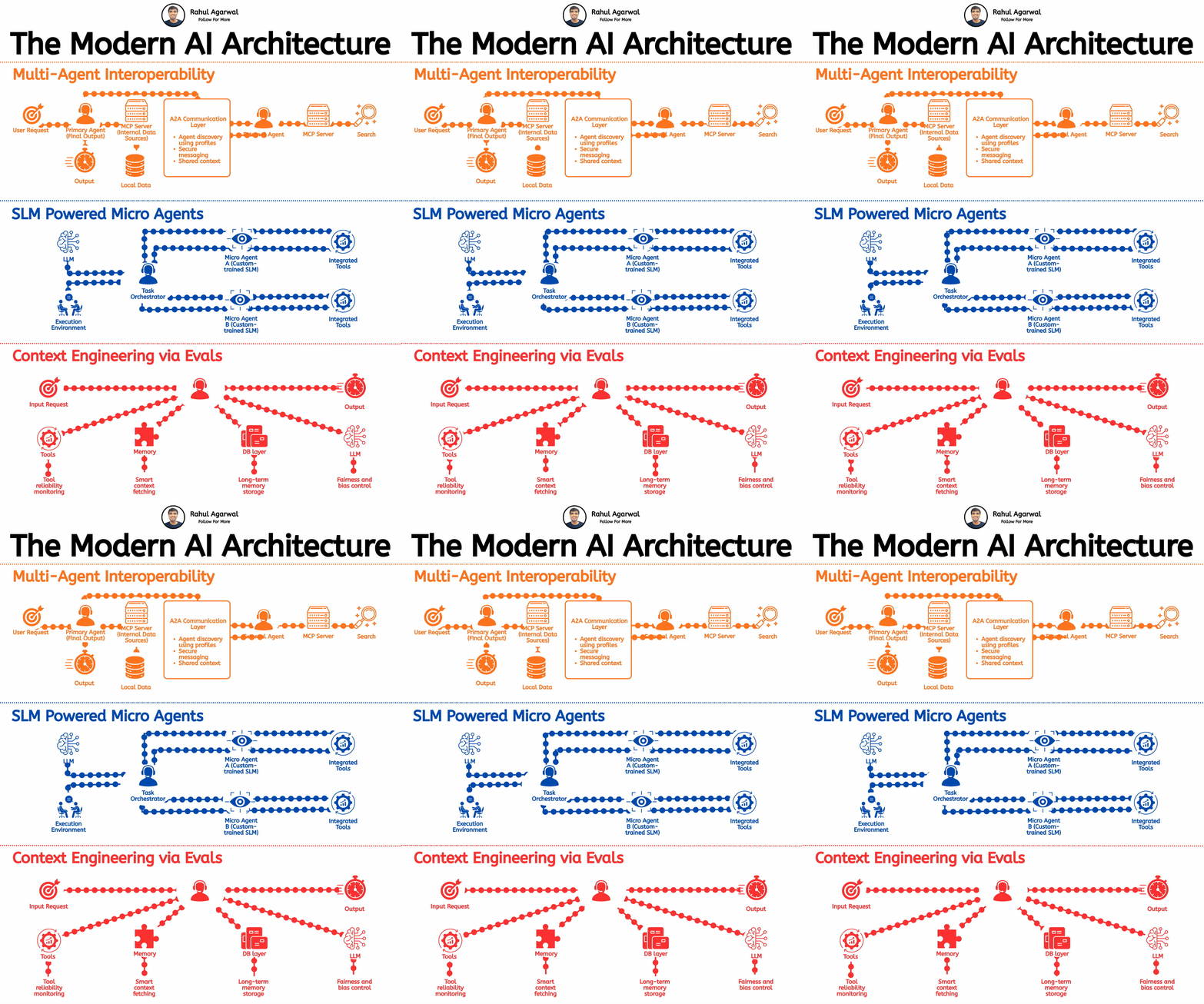
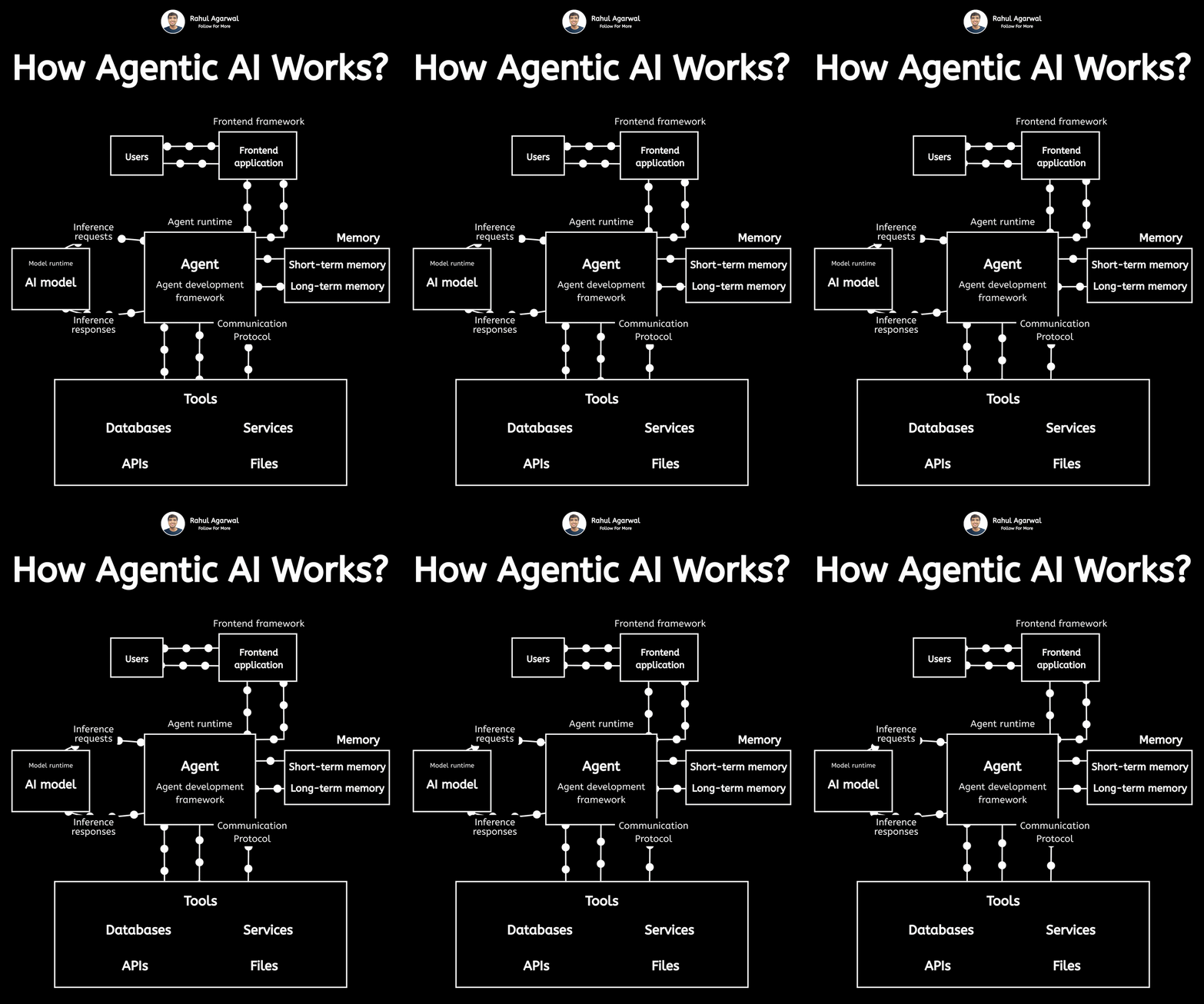
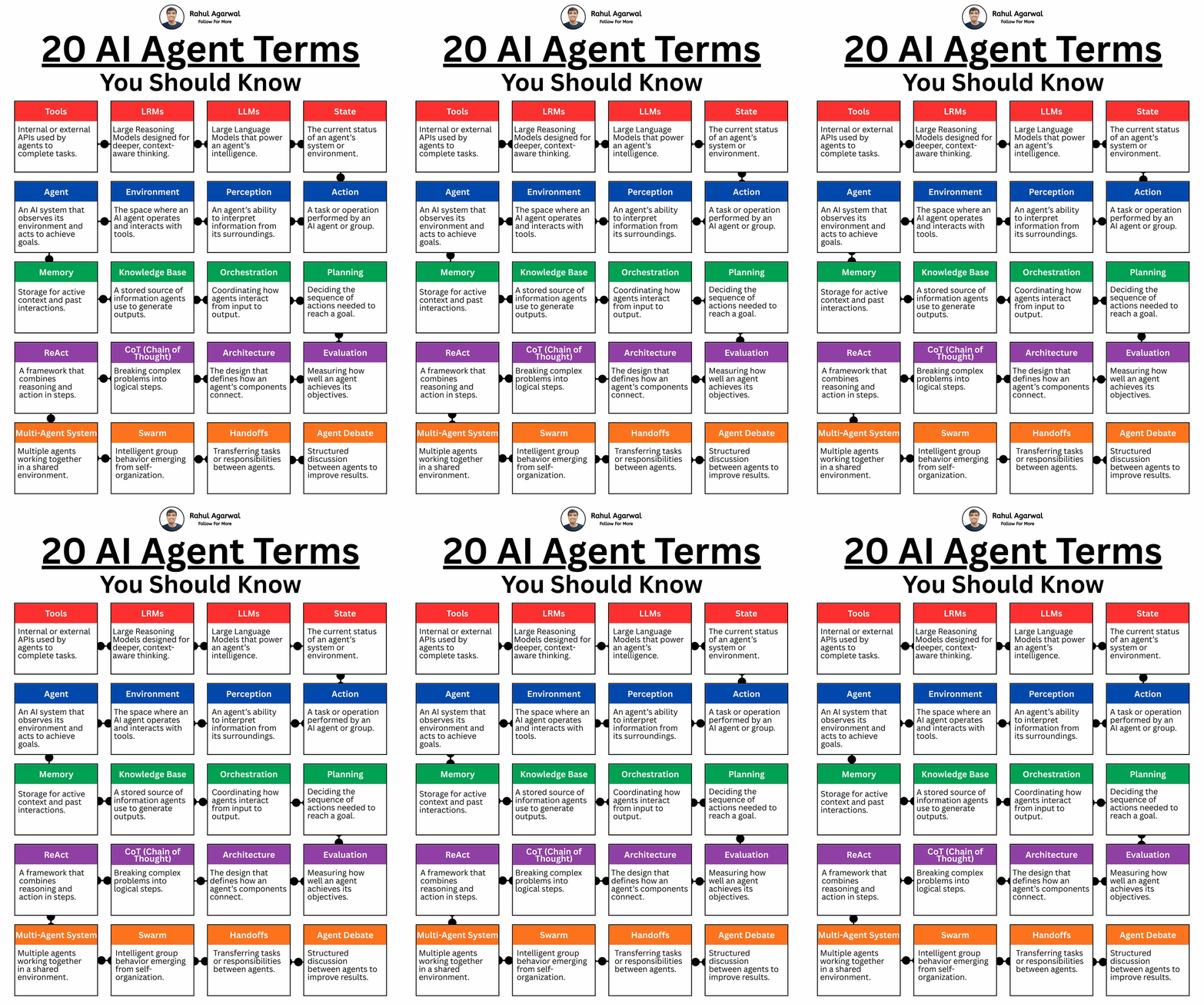
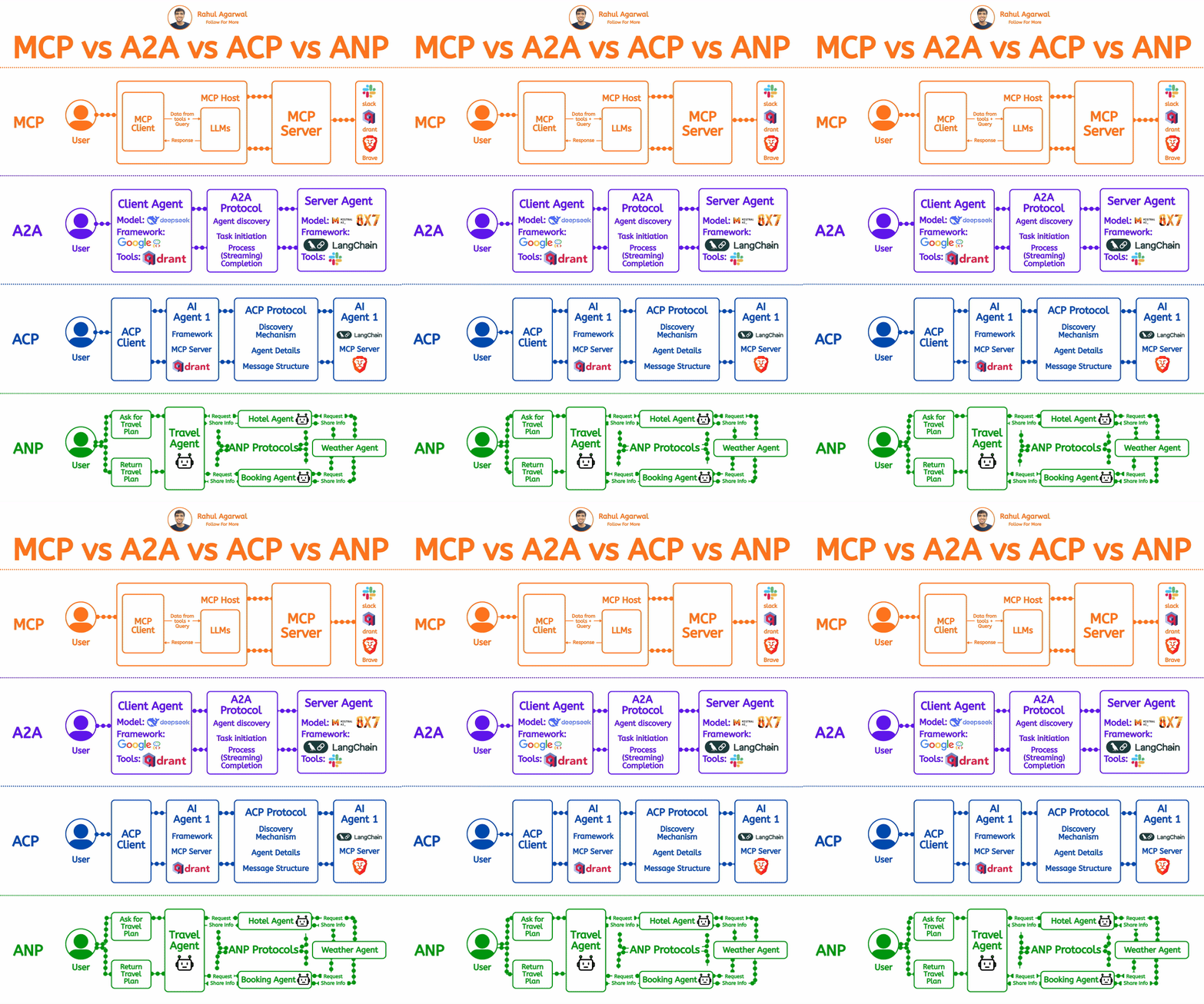
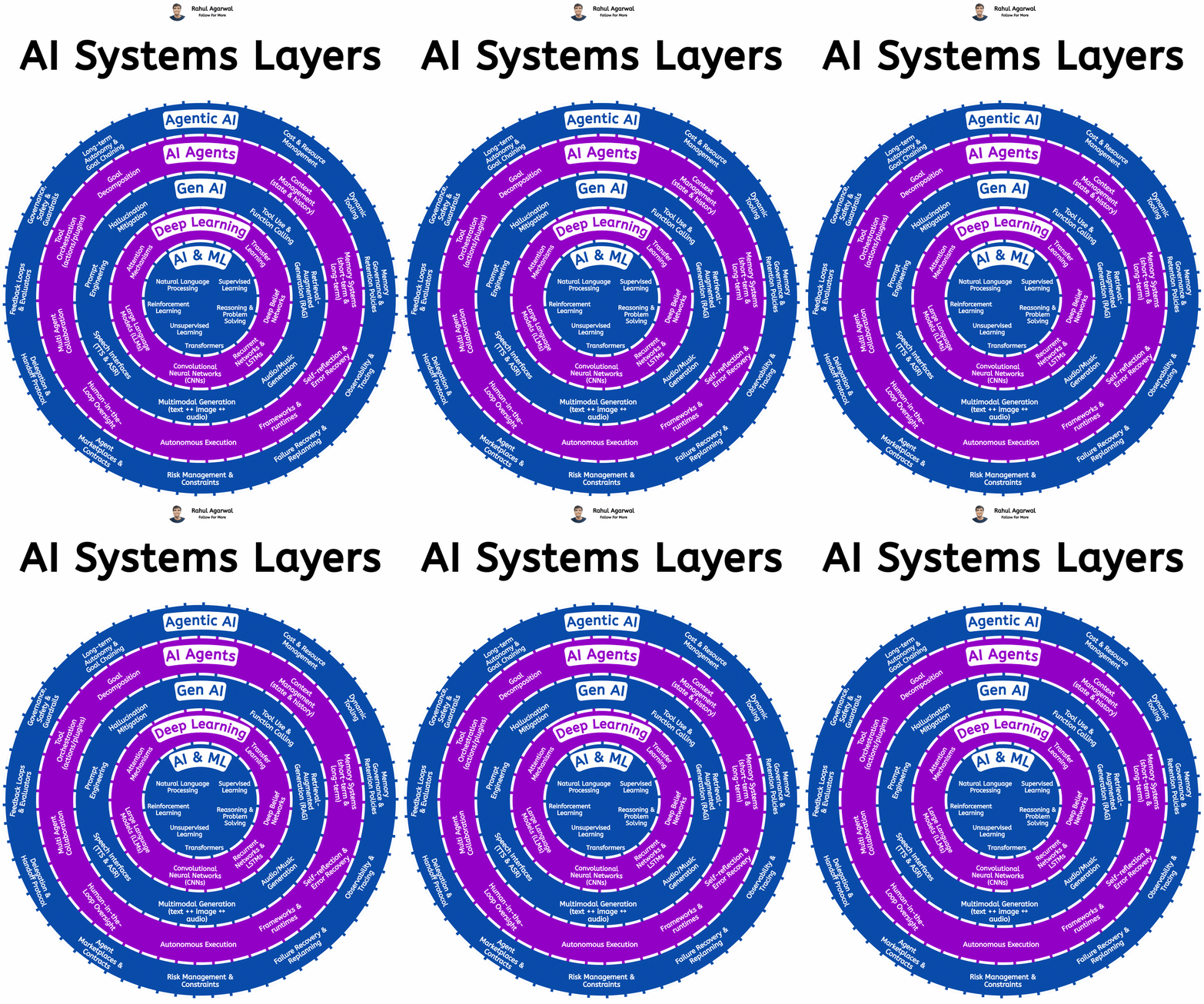
Most people building modern AI systems miss these steps. I've explained each step in a simple way below. 1. 𝗠𝘂𝗹𝘁𝗶-𝗔𝗴𝗲𝗻𝘁 𝗜𝗻𝘁𝗲𝗿𝗼𝗽𝗲𝗿𝗮𝗯𝗶𝗹𝗶𝘁𝘆 How multiple AI agents work together as a system. Step-by-step: • 𝗨𝘀𝗲𝗿 𝗥𝗲𝗾𝘂𝗲𝘀𝘁: A user asks a question or gives a task. • 𝗣𝗿𝗶𝗺𝗮𝗿𝘆 𝗔𝗴𝗲𝗻𝘁: One main agent receives the request and decides what needs to be done. • 𝗧𝗮𝘀𝗸 𝗕𝗿𝗲𝗮𝗸𝗱𝗼𝘄𝗻: The task is split into smaller subtasks. • 𝗔𝘂𝘅𝗶𝗹𝗶𝗮𝗿𝘆 𝗔𝗴𝗲𝗻𝘁𝘀: Other agents handle search, data fetching, analysis, or reasoning. • 𝗔𝗴𝗲𝗻𝘁-𝘁𝗼-𝗔𝗴𝗲𝗻𝘁 (𝗔2𝗔): Agents communicate securely and share context. • 𝗥𝗲𝘀𝘂𝗹𝘁 𝗠𝗲𝗿𝗴𝗶𝗻𝗴: All agent outputs are combined into one final answer. Without this layer, AI systems behave like isolated tools, not intelligent teams. _______________________ 2. 𝗦𝗟𝗠 𝗣𝗼𝘄𝗲𝗿𝗲𝗱 𝗠𝗶𝗰𝗿𝗼 𝗔𝗴𝗲𝗻𝘁𝘀 Small, specialized AI workers instead of one giant brain. Step-by-step: • 𝗟𝗮𝗿𝗴𝗲 𝗠𝗼𝗱𝗲𝗹 (𝗟𝗟𝗠): Acts as high-level intelligence. • 𝗧𝗮𝘀𝗸 𝗢𝗿𝗰𝗵𝗲𝘀𝘁𝗿𝗮𝘁𝗼𝗿: Decides which micro-agent should do which task. • 𝗠𝗶𝗰𝗿𝗼 𝗔𝗴𝗲𝗻𝘁𝘀 (𝗦𝗟𝗠𝘀): Small, custom-trained models focused on one job. • 𝗧𝗼𝗼𝗹 𝗨𝘀𝗮𝗴𝗲: Each micro-agent uses its own tools (APIs, databases, automations). • 𝗘𝘅𝗲𝗰𝘂𝘁𝗶𝗼𝗻 𝗘𝗻𝘃𝗶𝗿𝗼𝗻𝗺𝗲𝗻𝘁: Tasks run safely and efficiently. • 𝗥𝗲𝘀𝘂𝗹𝘁 𝗥𝗲𝘁𝘂𝗿𝗻: Outputs go back to the orchestrator. This makes AI systems 𝗳𝗮𝘀𝘁𝗲𝗿, 𝗰𝗵𝗲𝗮𝗽𝗲𝗿, 𝗮𝗻𝗱 𝗺𝗼𝗿𝗲 𝗿𝗲𝗹𝗶𝗮𝗯𝗹𝗲. _______________________ 3. 𝗖𝗼𝗻𝘁𝗲𝘅𝘁 𝗘𝗻𝗴𝗶𝗻𝗲𝗲𝗿𝗶𝗻𝗴 Giving AI the 𝘳𝘪𝘨𝘩𝘵 information at the 𝘳𝘪𝘨𝘩𝘵 time. Step-by-step: • 𝗜𝗻𝗽𝘂𝘁 𝗥𝗲𝗾𝘂𝗲𝘀𝘁: User sends a query. • 𝗦𝗺𝗮𝗿𝘁 𝗖𝗼𝗻𝘁𝗲𝘅𝘁 𝗙𝗲𝘁𝗰𝗵𝗶𝗻𝗴: Only relevant memory and data are retrieved. • 𝗠𝗲𝗺𝗼𝗿𝘆 𝗟𝗮𝘆𝗲𝗿: Short-term and long-term memory are accessed. • 𝗗𝗮𝘁𝗮𝗯𝗮𝘀𝗲 𝗟𝗮𝘆𝗲𝗿: Stores historical and factual information. • 𝗧𝗼𝗼𝗹 𝗥𝗲𝗹𝗶𝗮𝗯𝗶𝗹𝗶𝘁𝘆 𝗖𝗵𝗲𝗰𝗸𝘀: Ensures tools behave correctly. • 𝗘𝘃𝗮𝗹𝘀: Outputs are evaluated for accuracy, fairness, and bias. Good context engineering prevents hallucinations and wrong answers. _______________________ 4. 𝗙𝗶𝗻𝗮𝗹 𝗚𝗲𝗻𝗲𝗿𝗮𝘁𝗶𝗼𝗻 Delivering the response to the user. Step-by-step: • 𝗖𝗼𝗺𝗯𝗶𝗻𝗲𝗱 𝗖𝗼𝗻𝘁𝗲𝘅𝘁: All relevant data is passed to the model. • 𝗟𝗟𝗠 𝗥𝗲𝗮𝘀𝗼𝗻𝗶𝗻𝗴: The model reasons only over provided context. • 𝗙𝗶𝗻𝗮𝗹 𝗢𝘂𝘁𝗽𝘂𝘁: A clear, grounded, and safe response is generated. Why Modern AI Architecture Matters? <> Models alone don’t build great AI systems. <> Architecture decides 𝘀𝗰𝗮𝗹𝗮𝗯𝗶𝗹𝗶𝘁𝘆, 𝗿𝗲𝗹𝗶𝗮𝗯𝗶𝗹𝗶𝘁𝘆, 𝗮𝗻𝗱 𝘁𝗿𝘂𝘀𝘁. <> The best AI products are built with 𝗮𝗴𝗲𝗻𝘁𝘀, 𝗼𝗿𝗰𝗵𝗲𝘀𝘁𝗿𝗮𝘁𝗶𝗼𝗻, 𝗮𝗻𝗱 𝗰𝗼𝗻𝘁𝗲𝘅𝘁. ✅ Repost for others so they can understand the modern AI architecture.
Replies (2)

More like this
Recommendations from Medial




Rahul Agarwal
Founder | Agentic AI... • 3m
Hands down the simplest explanation of AI agents using LLMs, memory, and tools. A user sends an input → the system (agent) builds a prompt and may call tools and memory-search (RAG) → agent decides and builds an answer → the answer is returned to th
See More

/entrackr/media/post_attachments/wp-content/uploads/2021/08/Accel-1.jpg)
























Download the medial app to read full posts, comements and news.