

Back

Rahul Agarwal
Founder | Agentic AI... • 4m
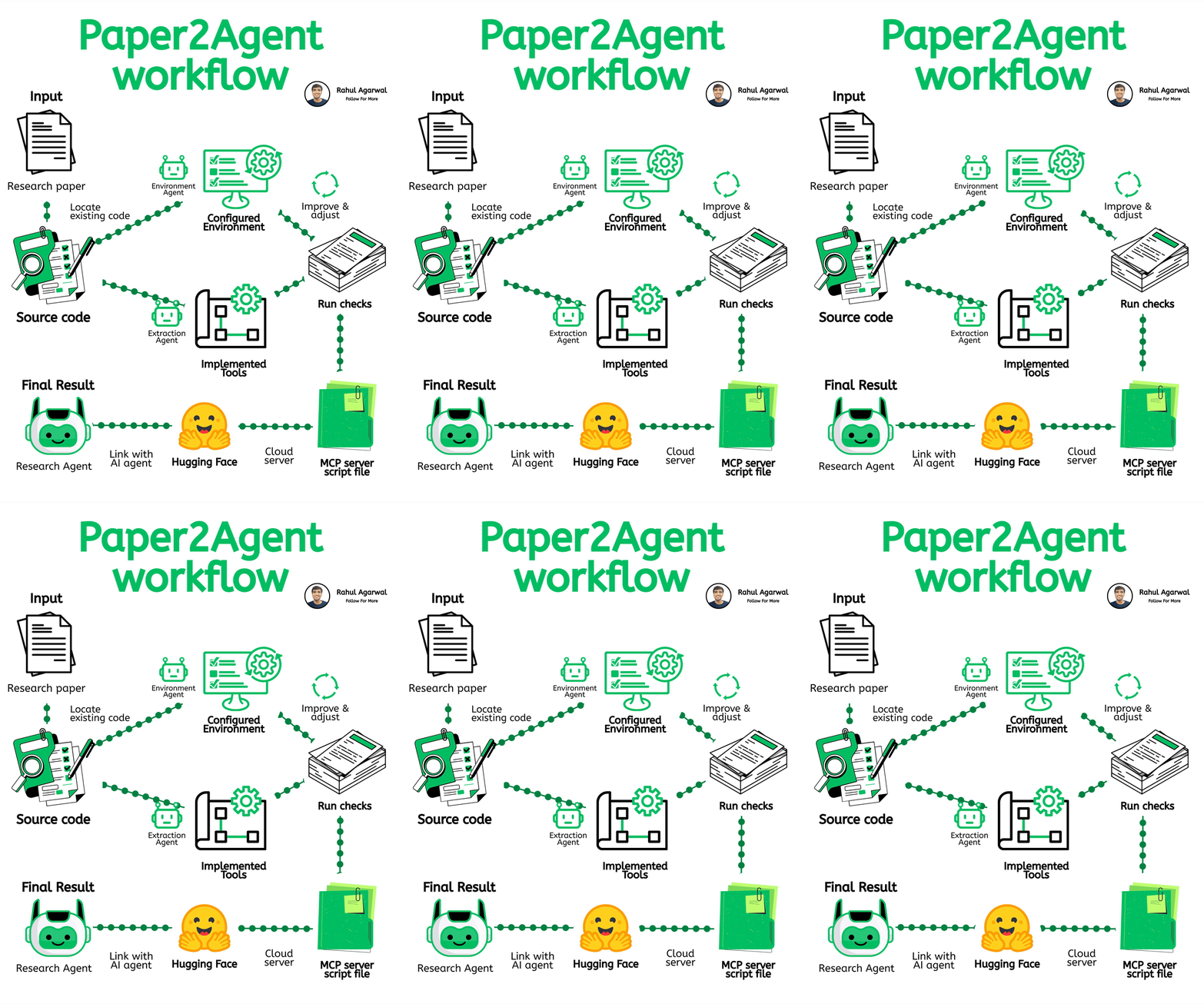
You can now turn research papers into real AI agents. I've given a simple breakdown of the process. Step 1 – Input (Research Paper) It all starts with a 𝗿𝗲𝘀𝗲𝗮𝗿𝗰𝗵 𝗽𝗮𝗽𝗲𝗿, usually describing a new AI model, algorithm, or system. The goal: turn that written idea into a 𝘄𝗼𝗿𝗸𝗶𝗻𝗴 𝗔𝗜 𝗮𝗴𝗲𝗻𝘁. Step 2 – Locate Existing Code The system tries to 𝗳𝗶𝗻𝗱 𝗶𝗳 𝗮𝗻𝘆 𝗰𝗼𝗱𝗲 𝗮𝗹𝗿𝗲𝗮𝗱𝘆 𝗲𝘅𝗶𝘀𝘁𝘀 related to that paper (often from GitHub or public repositories). This saves time instead of coding everything from scratch. Step 3 – Extraction Agent Once the code is found, the 𝗘𝘅𝘁𝗿𝗮𝗰𝘁𝗶𝗼𝗻 𝗔𝗴𝗲𝗻𝘁 comes in. It 𝗿𝗲𝗮𝗱𝘀, 𝗼𝗿𝗴𝗮𝗻𝗶𝘇𝗲𝘀, 𝗮𝗻𝗱 𝗲𝘅𝘁𝗿𝗮𝗰𝘁𝘀 the important parts of the source code: model logic, data pipeline, dependencies, etc. Step 4 – Environment Agent The 𝗘𝗻𝘃𝗶𝗿𝗼𝗻𝗺𝗲𝗻𝘁 𝗔𝗴𝗲𝗻𝘁 then sets up everything needed to run the model: libraries, dependencies, Python versions, etc. Result → a 𝗖𝗼𝗻𝗳𝗶𝗴𝘂𝗿𝗲𝗱 𝗘𝗻𝘃𝗶𝗿𝗼𝗻𝗺𝗲𝗻𝘁 ready for testing. Step 5 – Improve & Adjust The setup is 𝘁𝗲𝘀𝘁𝗲𝗱 𝗮𝗻𝗱 𝗳𝗶𝗻𝗲-𝘁𝘂𝗻𝗲𝗱. If errors occur, the system automatically adjusts configurations or fixes missing parts. Step 6 – Run Checks Now the system 𝗿𝘂𝗻𝘀 𝗰𝗵𝗲𝗰𝗸𝘀 to ensure the tools and environment work correctly, testing if the implementation produces expected results. Step 7 – Implemented Tools Once stable, the model is packaged into 𝘂𝘀𝗮𝗯𝗹𝗲 𝘁𝗼𝗼𝗹𝘀 𝗼𝗿 𝗺𝗼𝗱𝘂𝗹𝗲𝘀, making it easier to interact with. Step 8 – Cloud Deployment (MCP Script) These tools are then deployed to a 𝗰𝗹𝗼𝘂𝗱 𝘀𝗲𝗿𝘃𝗲𝗿 using an 𝗠𝗖𝗣 𝘀𝗲𝗿𝘃𝗲𝗿 𝘀𝗰𝗿𝗶𝗽𝘁 𝗳𝗶𝗹𝗲, this automates setup and lets others access or test it online. Step 9 – Hugging Face Integration The working model or agent is 𝗹𝗶𝗻𝗸𝗲𝗱 𝘄𝗶𝘁𝗵 𝗛𝘂𝗴𝗴𝗶𝗻𝗴 𝗙𝗮𝗰𝗲, so it can be shared, tested, or used by developers and researchers worldwide. Step 10 – Final Result Finally, the 𝗥𝗲𝘀𝗲𝗮𝗿𝗰𝗵 𝗔𝗴𝗲𝗻𝘁 connects everything into a single 𝗔𝗜 𝗔𝗴𝗲𝗻𝘁, a ready-to-use, working system derived directly from a research paper. This is very useful for turning written research into 𝗹𝗶𝘃𝗲, 𝘄𝗼𝗿𝗸𝗶𝗻𝗴 𝘀𝘆𝘀𝘁𝗲𝗺𝘀 that anyone can interact with. ✅ Repost for others in your network who can benefit from this.
More like this
Recommendations from Medial


RS
•
Stock Market Institute I Trade With Market I Financial Institute • 6m
My first research paper on structured thinking is now live on SSRN. This is my step towards building a research-centric thinking system for India and the world. https://papers.ssrn.com/sol3/papers.cfm?abstract_id=5397165





Rahul Agarwal
Founder | Agentic AI... • 3m
Hands down the simplest explanation of AI agents using LLMs, memory, and tools. A user sends an input → the system (agent) builds a prompt and may call tools and memory-search (RAG) → agent decides and builds an answer → the answer is returned to th
See More

/entrackr/media/post_attachments/wp-content/uploads/2021/08/Accel-1.jpg)























Download the medial app to read full posts, comements and news.