

Back

Rahul Agarwal
Founder | Agentic AI... • 2m
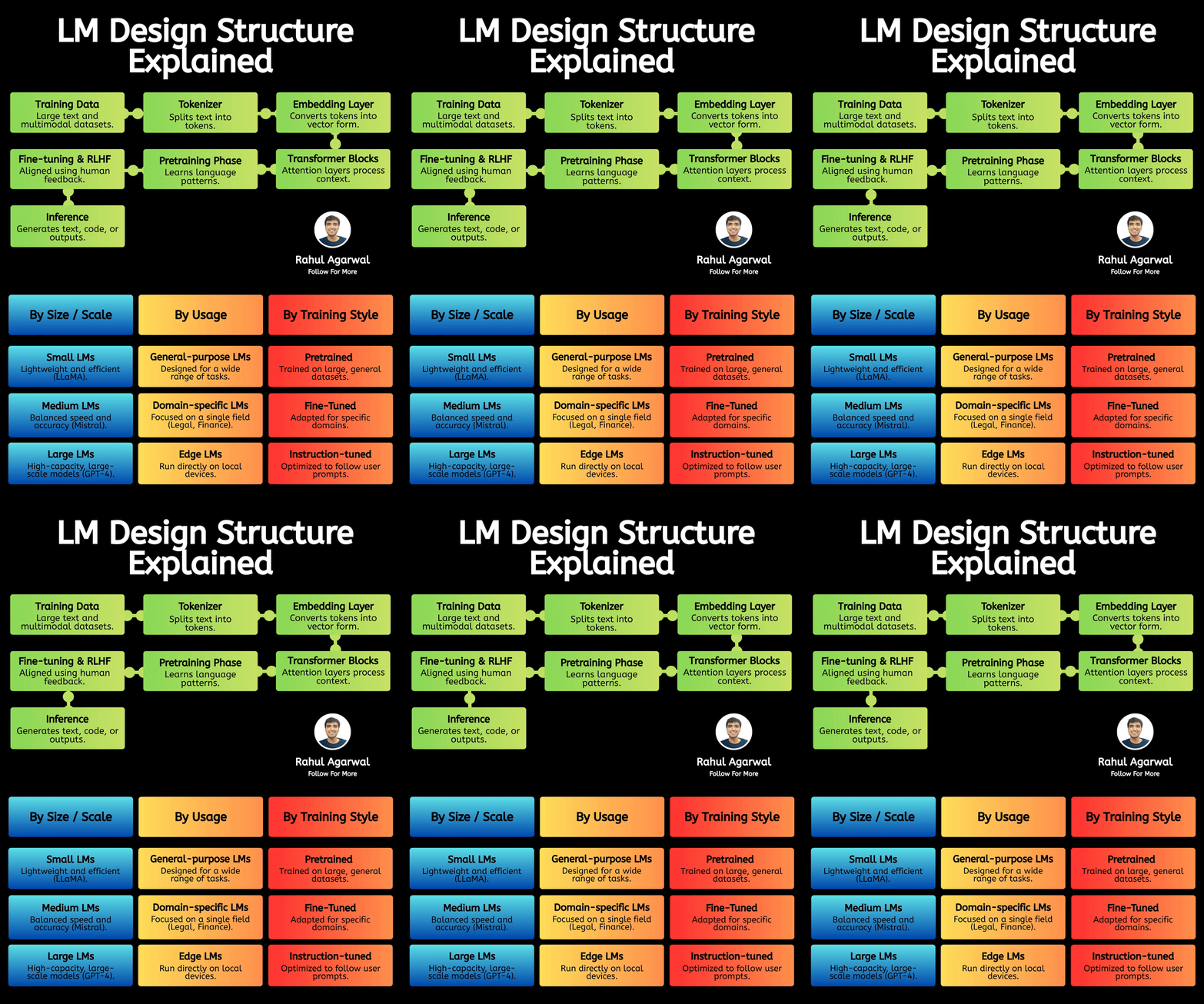
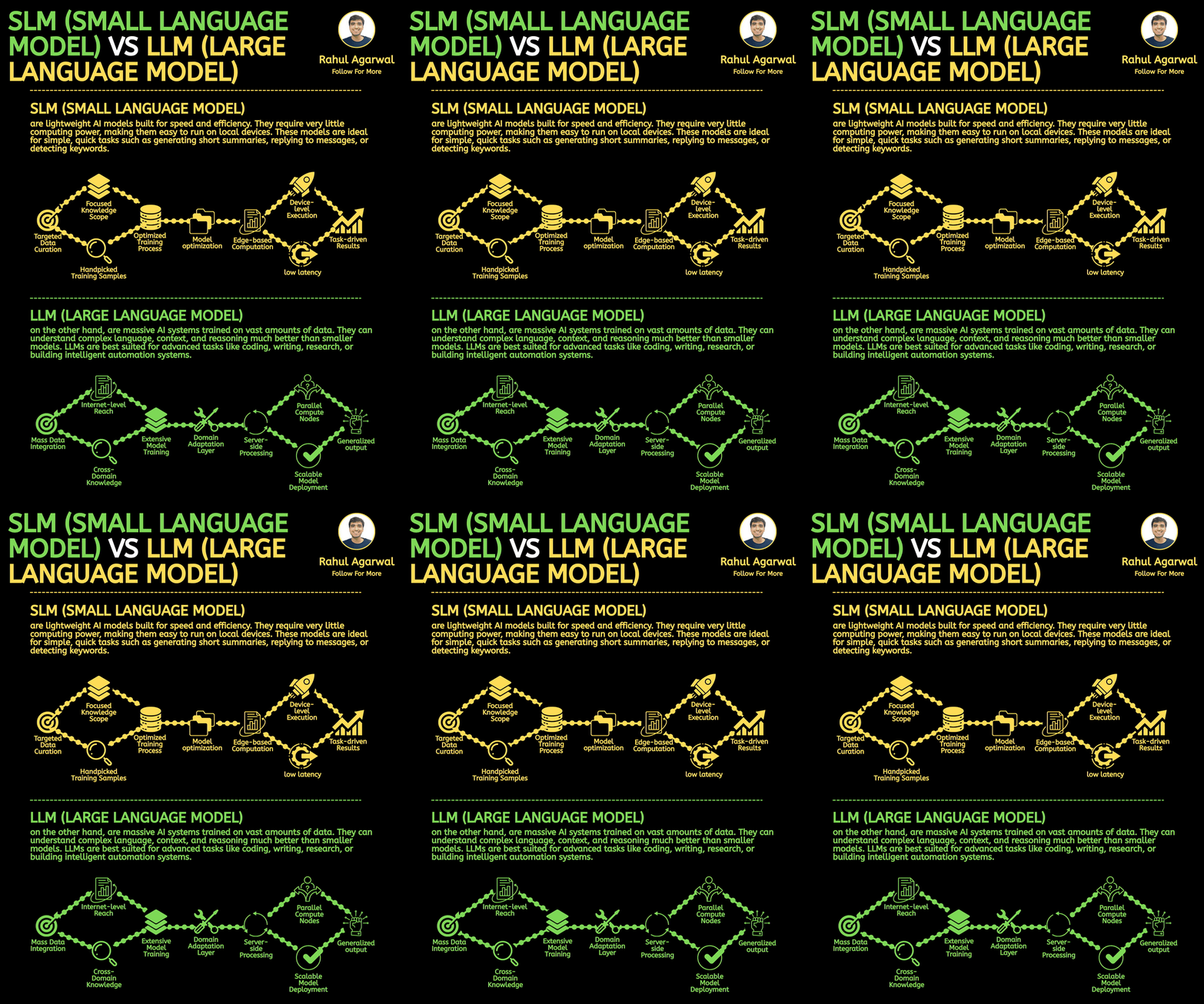
All LLMs are LMs, but not all LMs are LLMs. Most people still get confused. I've explained below. • 𝗟𝗠𝘀 (𝗟𝗮𝗻𝗴𝘂𝗮𝗴𝗲 𝗠𝗼𝗱𝗲𝗹𝘀): These are models that can process and generate human language. They can be small or medium-sized and may not require huge datasets. • 𝗟𝗟𝗠𝘀 (𝗟𝗮𝗿𝗴𝗲 𝗟𝗮𝗻𝗴𝘂𝗮𝗴𝗲 𝗠𝗼𝗱𝗲𝗹𝘀): These are a 𝘀𝗽𝗲𝗰𝗶𝗳𝗶𝗰 𝘁𝘆𝗽𝗲 of LM, but much 𝗹𝗮𝗿𝗴𝗲𝗿 in scale. LLMs like GPT-3 or GPT-4 are trained on massive datasets, have billions (or even trillions) of parameters. An 𝗟𝗟𝗠 is a 𝘀𝘂𝗯𝘀𝗲𝘁 𝗼𝗳 𝗟𝗠 that is: • Very large in size • Trained on massive datasets • Based on deep neural networks (Transformers) • Capable of reasoning, coding, summarizing, etc. Types of LM's: 𝗕𝘆 𝗦𝗶𝘇𝗲 / 𝗦𝗰𝗮𝗹𝗲 1. 𝗦𝗺𝗮𝗹𝗹 𝗟𝗠𝘀 • Lightweight, fast, low-cost models with limited intelligence. 2. 𝗠𝗲𝗱𝗶𝘂𝗺 𝗟𝗠𝘀 • Balanced speed and accuracy, suitable for most production systems. 3. 𝗟𝗮𝗿𝗴𝗲 𝗟𝗠𝘀 • High-capacity models with strong reasoning, powerful but expensive. ______________ 𝗕𝘆 𝗨𝘀𝗮𝗴𝗲 1. 𝗚𝗲𝗻𝗲𝗿𝗮𝗹-𝗽𝘂𝗿𝗽𝗼𝘀𝗲 𝗟𝗠𝘀 • Designed to handle many tasks • Chat, writing, coding, reasoning 2. 𝗗𝗼𝗺𝗮𝗶𝗻-𝘀𝗽𝗲𝗰𝗶𝗳𝗶𝗰 𝗟𝗠𝘀 • Trained or tuned for one field • Legal, finance, medical, etc. • More accurate in narrow domains 3. 𝗘𝗱𝗴𝗲 𝗟𝗠𝘀 • Run locally on devices • Privacy-friendly • Limited power due to size ______________ 𝗕𝘆 𝗧𝗿𝗮𝗶𝗻𝗶𝗻𝗴 𝗦𝘁𝘆𝗹𝗲 1. 𝗣𝗿𝗲-𝘁𝗿𝗮𝗶𝗻𝗲𝗱 • Trained on general internet-scale data • Base intelligence layer 2. 𝗙𝗶𝗻𝗲-𝗧𝘂𝗻𝗲𝗱 • Adapted for specific tasks or domains • Improves accuracy and usefulness 3. 𝗜𝗻𝘀𝘁𝗿𝘂𝗰𝘁𝗶𝗼𝗻-𝘁𝘂𝗻𝗲𝗱 • Optimized to follow user instructions • This is what ChatGPT-style models are Most people just know about LLM's but it's important to know such fundamentals. ✅ Repost for others so they can also know this fundamental difference.
More like this
Recommendations from Medial

Bhoop Singh Gurjar
AI Deep Explorer | f... • 11m
LLM Post-Training: A Deep Dive into Reasoning LLMs This survey paper provides an in-depth examination of post-training methodologies in Large Language Models (LLMs) focusing on improving reasoning capabilities. While LLMs achieve strong performance
See More
Linkrcap Studio
A digital news platf... • 21d
India has no dearth of large language models (LLMs). Yet, most AI models struggle with the country itself 22 languages, multiple scripts, and patchy compute. Sarvam AI wants to fix this with its two indigenous models. But can it turn technical ambiti
See More

Bhoop Singh Gurjar
AI Deep Explorer | f... • 1y
"A Survey on Post-Training of Large Language Models" This paper systematically categorizes post-training into five major paradigms: 1. Fine-Tuning 2. Alignment 3. Reasoning Enhancement 4. Efficiency Optimization 5. Integration & Adaptation 1️⃣ Fin
See More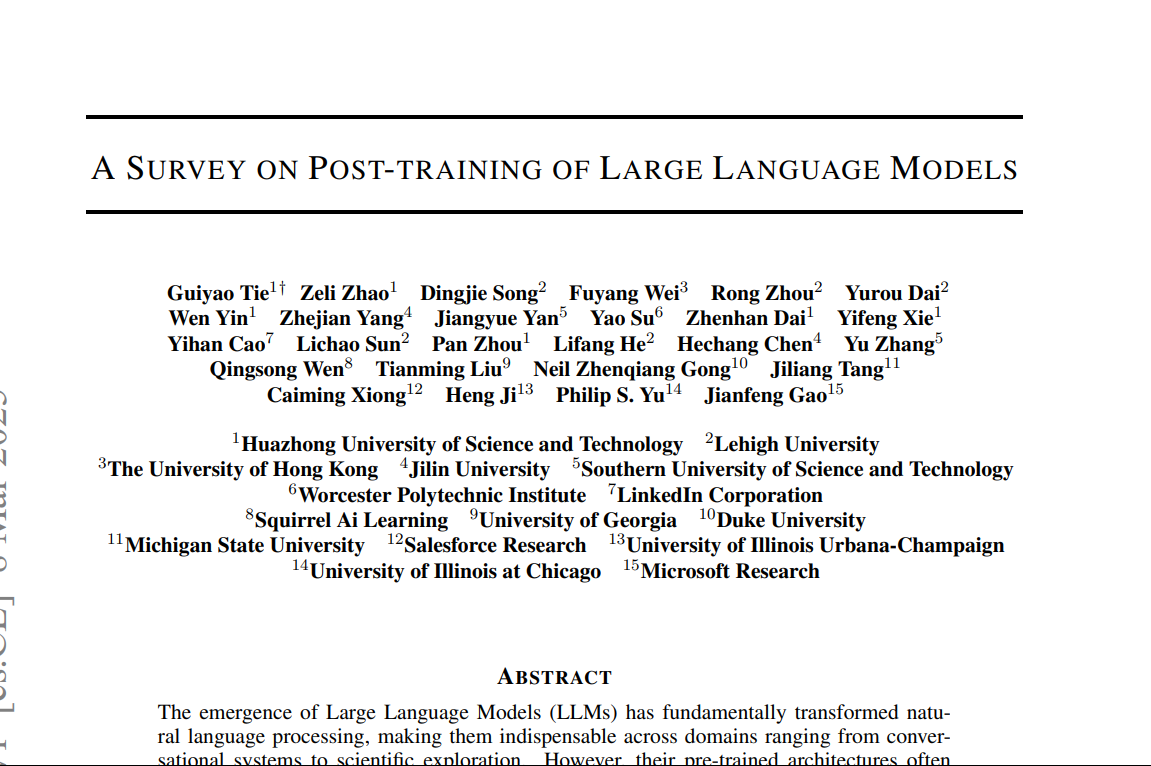











/entrackr/media/post_attachments/wp-content/uploads/2021/08/Accel-1.jpg)























Download the medial app to read full posts, comements and news.