

Back

Anonymous 1
Hey I am on Medial • 11m
Your EV/Porter model for deliveries might work in dense urban areas, but it'll fall apart in Tier 2/3 cities where most kirana growth is happening. The economics simply don't work when stores are more spread out - you'll blow your margin on delivery costs. What successful players like Jumbotail have done is build dark stores/micro-warehouses in different neighborhoods, then use a hub-and-spoke model for last-mile. This gives you density advantages while still maintaining local presence. Without this infrastructure investment, you'll struggle to compete on both cost and reliability. Consider partnering with existing logistics networks in early stages rather than building your own, let that be phase 2 after you've proven the model.
Replies (1)
More like this
Recommendations from Medial


Shanu Chhetri
CS student | Tech En... • 8m
B2B marketplace Jumbotail becomes India's newest unicorn startup after raising over Rs 1,000 crore Jumbotail is a B2B online marketplace for food and grocery, founded in 2015 by Ashish Jhina (an IIT Delhi grad and apple farmer) and Karthik Venkatesw
See More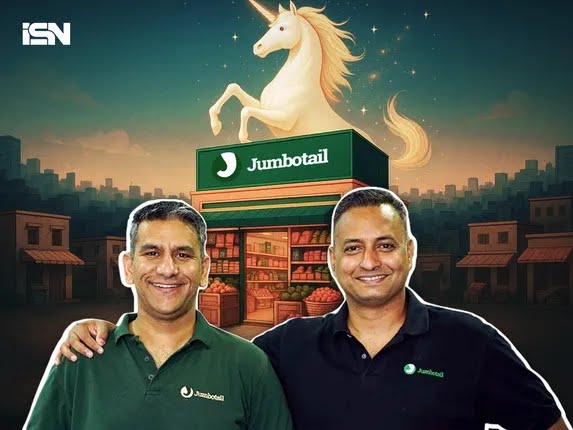




RIKASH CLINTON.J
Hey I am on Medial • 1y
How about a platform that connects consumers with local stores in their city, as well as stores in other cities and countries? This platform allows users to shop hyperlocally, intercity, and cross-border, all without the need for warehouses or dark s
See More






Aarihant Aaryan
Prev- Founder & CEO ... • 2y
Blinkit launched a franchise model for its dark store! I think it's a brilliant move to scale and build great distribution against competitors 1. The franchise model could work well as it is a huge capex to start a dark store and to make it profi
See More


Atif
Building Something M... • 7m
🚀 Soonicorns are startups that haven’t yet hit the $1B unicorn milestone but are on track to get there soon. They’re India’s unicorns-in-waiting, building fast and scaling stronger. 🇮🇳 India already has 124 unicorns, with 5 new entries in 2025 li
See More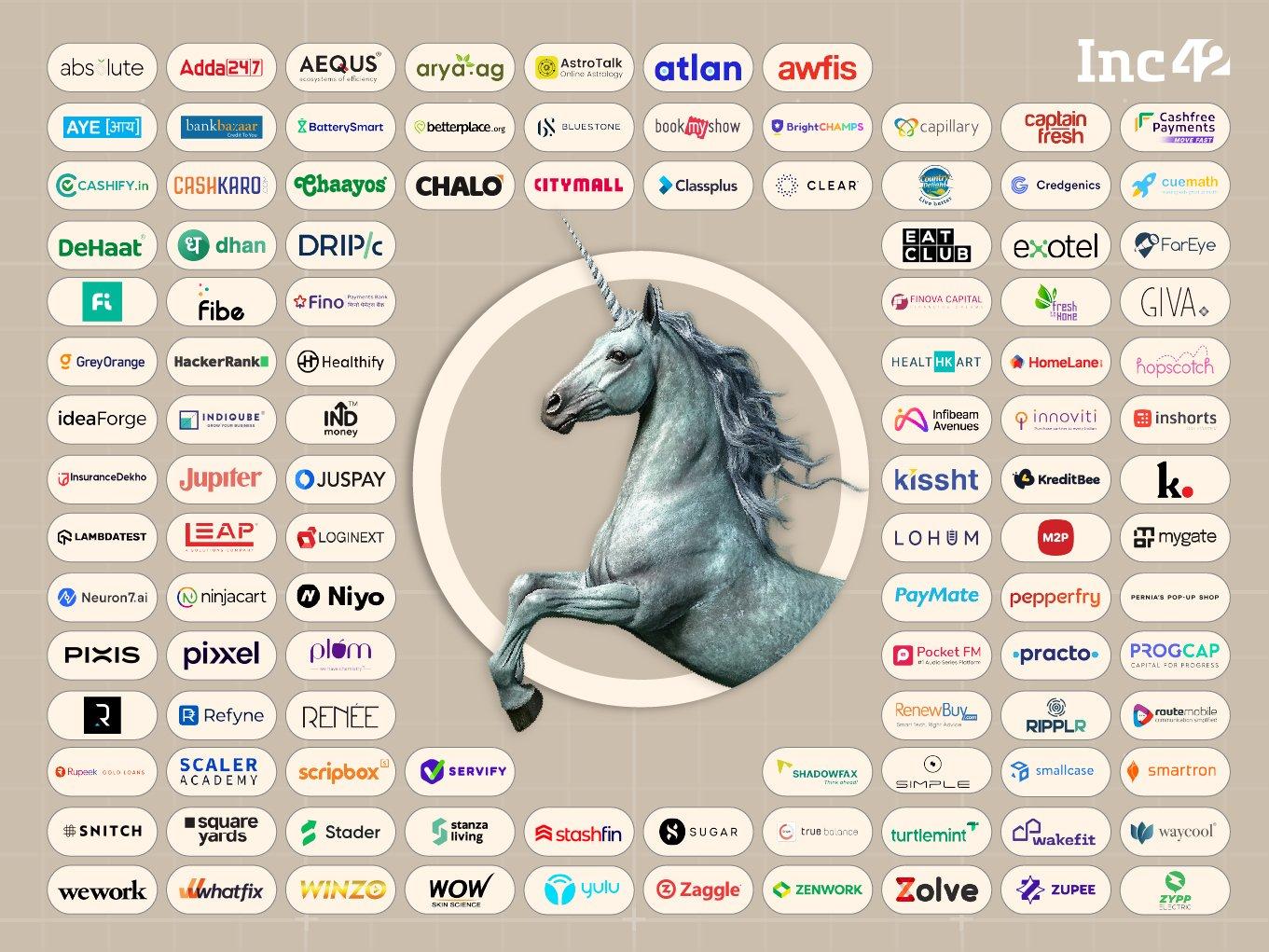

/entrackr/media/post_attachments/wp-content/uploads/2021/08/Accel-1.jpg)





















Download the medial app to read full posts, comements and news.