

Back

Karnivesh
Simplifying finance.... • 2m
Valuation ratios are often treated like answers, but I see them more as conversations the market is having with us. In Indian markets, the P/E ratio alone rarely tells the full story. A high P/E can reflect confidence in growth and stability, while a low P/E often signals risk, cyclicality, or uncertainty. The number matters less than why it exists. That’s where other lenses help 👇 •PEG adjusts valuation for growth expectations •EV/EBITDA brings debt and capital structure into focus •Comparing peers and history adds real context 📌 Valuation isn’t about cheap or expensive. It’s about understanding what the market expects and deciding whether you agree. 👉 For a deeper breakdown with India-specific examples, refer to the attached link
More like this
Recommendations from Medial



VIJAY PANJWANI
Learning is a key to... • 3m
PEG Ratio Explained in 30 Seconds! Want to know if a stock is undervalued or overvalued? Use the PEG Ratio one of the smartest tools used by pro investors! 🧮 Formula: PEG = P/E Ratio ÷ Earnings Growth Rate ✅ PEG < 1 = Undervalued ⚖️ PEG = 1 = Fai
See More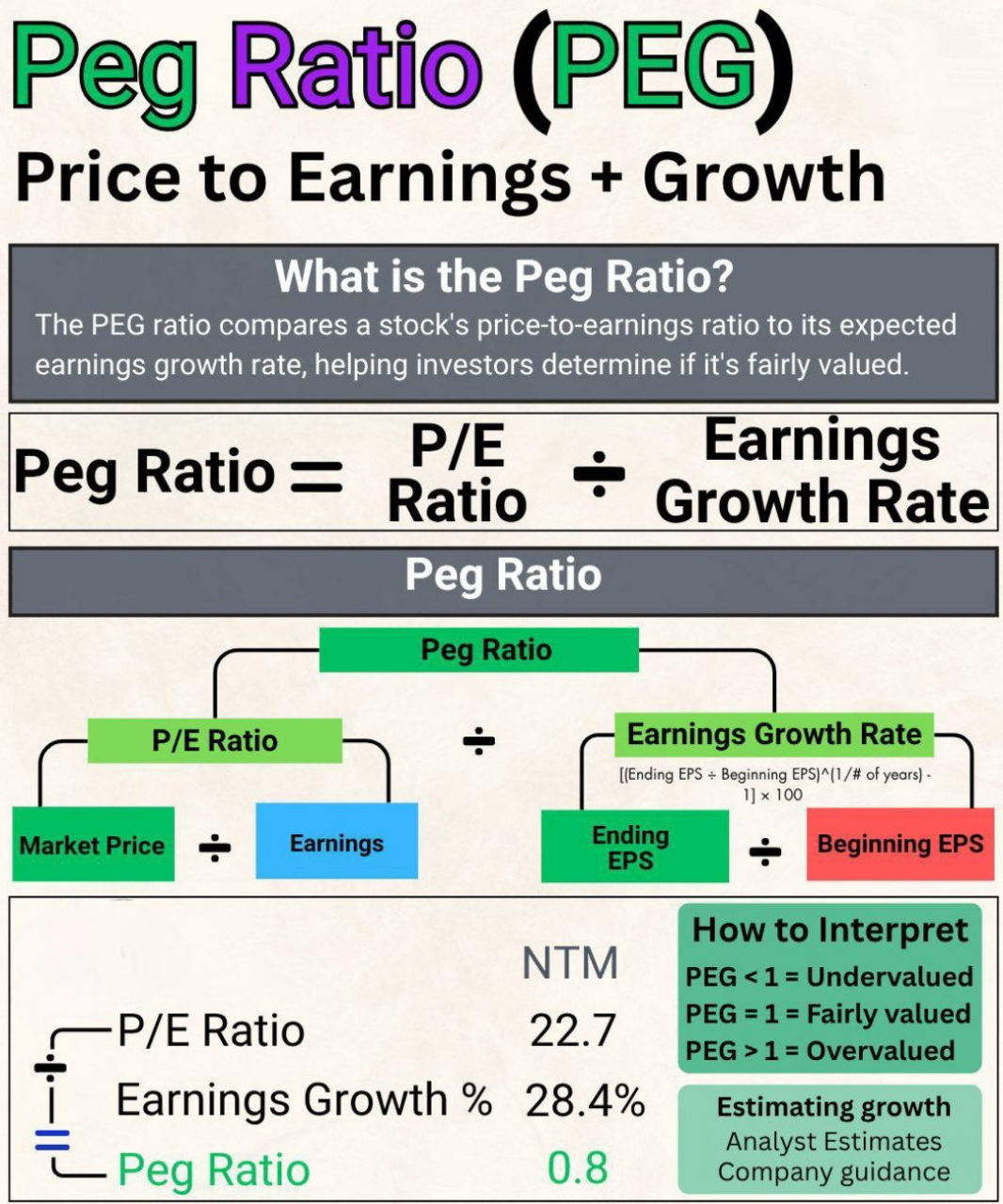









PRATHAM
Experimenting On lea... • 6m
The U.S. market is overvalued, with a Buffett Indicator at 217% and P/E near 37–38, close to dot-com bubble levels (P/E - 44). Global markets ( India or China) may outperform the U.S. in the next 5–10 years. FIIs should flow some cash in India as we
See MoreVIJAY PANJWANI
Learning is a key to... • 2m
Price to Sales (P/S) Ratio of India’s Top Large-Cap Stocks 🇮🇳 Ever wondered which big companies are cheap vs expensive relative to their sales? That’s where P/S Ratio helps 👇 🔹 Low P/S → Potentially undervalued 🟡 Moderate P/S → Fairly valued �
See More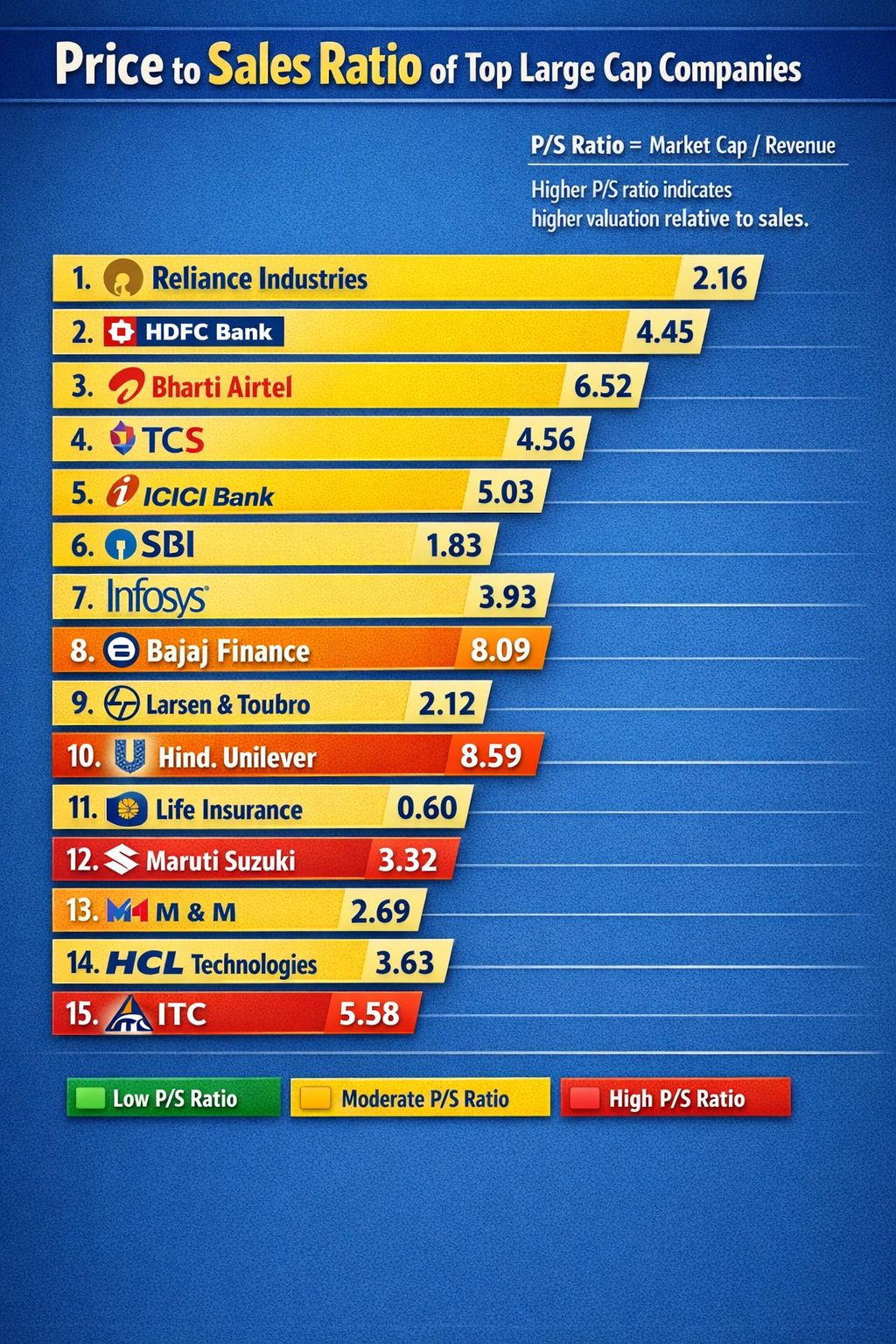

Rohan Saha
Founder - Burn Inves... • 7m
Zomato PE ratio has reached around 994 in the Indian market I mean can you even imagine? The company valuation still does not look worth buying yet people are investing in it what I keep thinking is how badly is this one stock affecting the Nifty? A
See More


/entrackr/media/post_attachments/wp-content/uploads/2021/08/Accel-1.jpg)






















Download the medial app to read full posts, comements and news.