

Back
Only Buziness
Everything about Mar... • 9m
“Dark Patterns vs Ethical UX: The Psychology of Design That Builds or Breaks Trust” Dark Patterns are manipulative design tactics that trick users into taking actions they didn’t intend—like adding hidden costs, confusing opt-outs, or guilt-tripping exit popups. They exploit cognitive biases for short-term gains but damage trust and brand reputation. In contrast, Ethical UX prioritizes clarity, consent, and user empowerment. It uses psychology not to deceive, but to guide decisions responsibly—helping users find value faster. Ethical UX reduces friction without manipulation, builds long-term loyalty, and aligns with privacy laws. While dark patterns may spike conversions, they invite backlash. Ethical UX wins in the era of transparency and customer-first branding.
More like this
Recommendations from Medial

Only Buziness
Everything about Mar... • 5m
Colors don’t just decorate—they dictate decisions. Red excites hunger, blue builds trust, and green calms the mind. That’s why brands like McDonald’s use red to trigger appetite and Paytm uses blue to symbolize safety. Color psychology is silent pers
See More



Codestam Technologies
We make automations ... • 3m
Fast hiring often feels efficient—but speed without clarity is costly. Rushed talent decisions quietly compound damage over time: • Trust slowly erodes • Knowledge walks out the door • Teams get stuck in rework loops Urgency solves short-term press
See More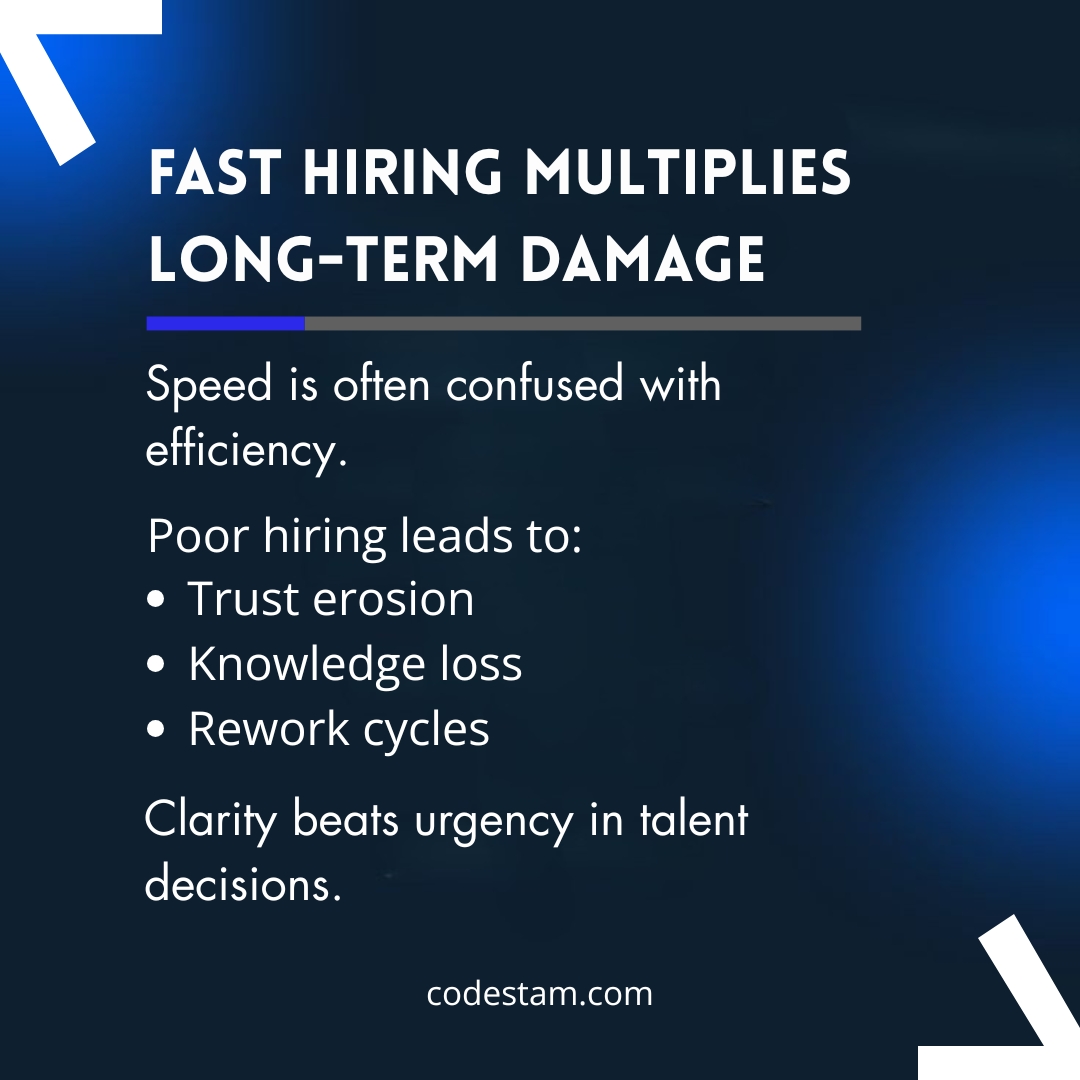


Only Buziness
Everything about Mar... • 5m
The psychology of consumer decision-making in marketing revolves around how emotions, perceptions, and cognitive biases shape what people buy. Consumers rarely make purely logical choices; instead, they rely on subconscious shortcuts like brand trust
See More


Akash Bhawal
Still Wondering • 1y
Let's say someone builds a product for eg. Coffee, they made very good coffee with good quality raw materials the name is good the packaging is good. But how do they build trust and market their product? Please don't say things like trust building t
See More
Only Buziness
Everything about Mar... • 5m
The Bandwagon Effect vs Social Proof highlights two subtle yet powerful forces in consumer psychology. The *Bandwagon Effect* makes people buy something simply because “everyone else is doing it,” driven by the fear of missing out. *Social Proof*, on
See More
/entrackr/media/post_attachments/wp-content/uploads/2021/08/Accel-1.jpg)
























Download the medial app to read full posts, comements and news.