

Back

Rahul Agarwal
Founder | Agentic AI... • 3m
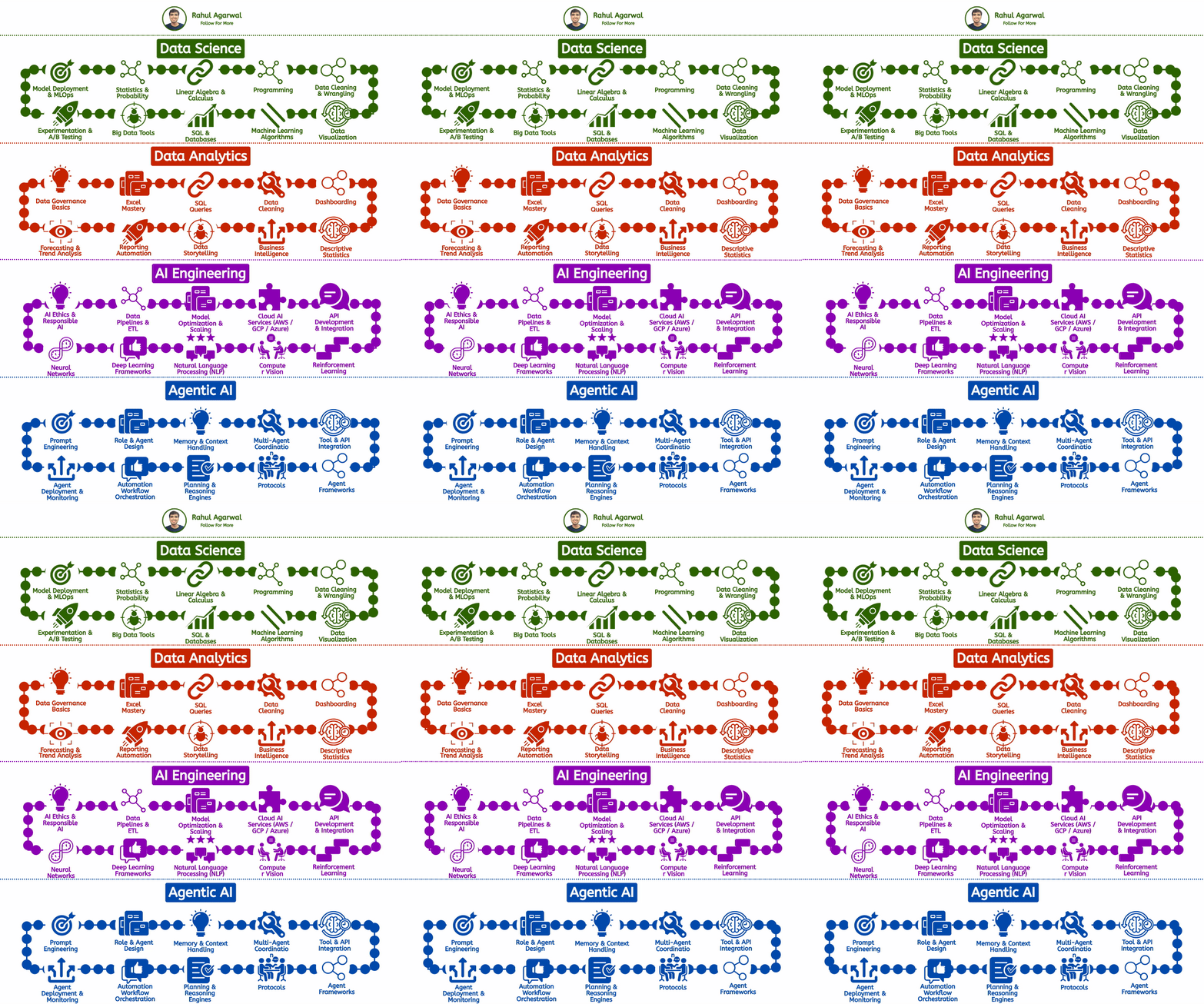
Data scientist, Data analyst, AI engineer, or AI agent builder? Which one is best? I've explained below. 1. 𝗗𝗮𝘁𝗮 𝗦𝗰𝗶𝗲𝗻𝗰𝗲 This field teaches you how to 𝗮𝗻𝗮𝗹𝘆𝘇𝗲 𝗱𝗮𝘁𝗮, 𝗯𝘂𝗶𝗹𝗱 𝗠𝗟 𝗺𝗼𝗱𝗲𝗹𝘀, 𝗮𝗻𝗱 𝗱𝗲𝗽𝗹𝗼𝘆 𝘁𝗵𝗲𝗺 𝗶𝗻 𝗿𝗲𝗮𝗹 𝘄𝗼𝗿𝗹𝗱. → Build models that learn from data → Use math, stats, and algorithms to find patterns → Clean, process, and prepare datasets for training → Deploy ML systems that work at scale → Core skills include: • Model deployment & MLOps • Statistics & probability • Linear algebra & calculus • Programming (Python/R) • Data cleaning & wrangling • Data visualization • ML algorithms • SQL & databases • Big data tools (Spark, Hadoop) • Experimentation & A/B testing _____________________ 2. 𝗗𝗮𝘁𝗮 𝗔𝗻𝗮𝗹𝘆𝘁𝗶𝗰𝘀 This track focuses on 𝗳𝗶𝗻𝗱𝗶𝗻𝗴 𝗽𝗮𝘁𝘁𝗲𝗿𝗻𝘀, 𝗰𝗿𝗲𝗮𝘁𝗶𝗻𝗴 𝗱𝗮𝘀𝗵𝗯𝗼𝗮𝗿𝗱𝘀, 𝗮𝗻𝗱 𝗵𝗲𝗹𝗽𝗶𝗻𝗴 𝗯𝘂𝘀𝗶𝗻𝗲𝘀𝘀𝗲𝘀 𝗺𝗮𝗸𝗲 𝗱𝗲𝗰𝗶𝘀𝗶𝗼𝗻𝘀. → Break down raw data into clear insights → Create dashboards for business teams → Analyze trends, patterns, and performance metrics → Tell stories through charts and visual reports → Key components: • Basics of data governance • Excel mastery • SQL queries • Data cleaning • Dashboarding (Power BI / Tableau) • Descriptive statistics • Business intelligence • Storytelling with data • Reporting automation • Forecasting & trend analysis _____________________ 3. 𝗔𝗜 𝗘𝗻𝗴𝗶𝗻𝗲𝗲𝗿𝗶𝗻𝗴 This domain is about 𝗱𝗲𝘀𝗶𝗴𝗻𝗶𝗻𝗴, 𝘀𝗰𝗮𝗹𝗶𝗻𝗴, 𝗮𝗻𝗱 𝗶𝗻𝘁𝗲𝗴𝗿𝗮𝘁𝗶𝗻𝗴 𝗔𝗜 𝗺𝗼𝗱𝗲𝗹𝘀 𝗶𝗻𝘁𝗼 𝗿𝗼𝗯𝘂𝘀𝘁 𝗮𝗽𝗽𝗹𝗶𝗰𝗮𝘁𝗶𝗼𝗻𝘀. → Build pipelines that move data from source to model → Optimize and scale AI systems in production → Connect models with APIs, apps, and cloud platforms → Ensure reliability, performance, and integration → Essential abilities include: • AI ethics & responsible AI • Data pipelines & ETL • Model optimization & scaling • Cloud AI platforms (AWS / GCP / Azure) • API development & integration • Reinforcement learning • Computer vision • NLP (language understanding) • Deep learning frameworks • Neural network architectures _______________________ 4. 𝗔𝗴𝗲𝗻𝘁𝗶𝗰 𝗔𝗜 This is the future of AI where systems can 𝗿𝗲𝗮𝘀𝗼𝗻, 𝗽𝗹𝗮𝗻, 𝗰𝗮𝗹𝗹 𝘁𝗼𝗼𝗹𝘀, 𝗮𝗻𝗱 𝘄𝗼𝗿𝗸 𝗮𝘂𝘁𝗼𝗻𝗼𝗺𝗼𝘂𝘀𝗹𝘆. → Create agents that can reason, plan, and take actions → Add memory, tool usage, and multi-step workflows → Connect agents to APIs, databases, and external systems → Monitor behavior, safety, and performance → Capabilities involved: • Prompt engineering • Designing roles & agents • Memory & context handling • Multi-agent coordination • Tool & API integrations • Agent frameworks • Communication protocols • Reasoning & planning engines • Workflow orchestration • Deployment & monitoring of agents From data skills to agentic AI, you can take guidance from this simple roadmap. Learn the fundamentals and explore what interests you. ✅ Repost for others in your network who can benefit from this.
Replies (1)

More like this
Recommendations from Medial

Rahul Agarwal
Founder | Agentic AI... • 2m
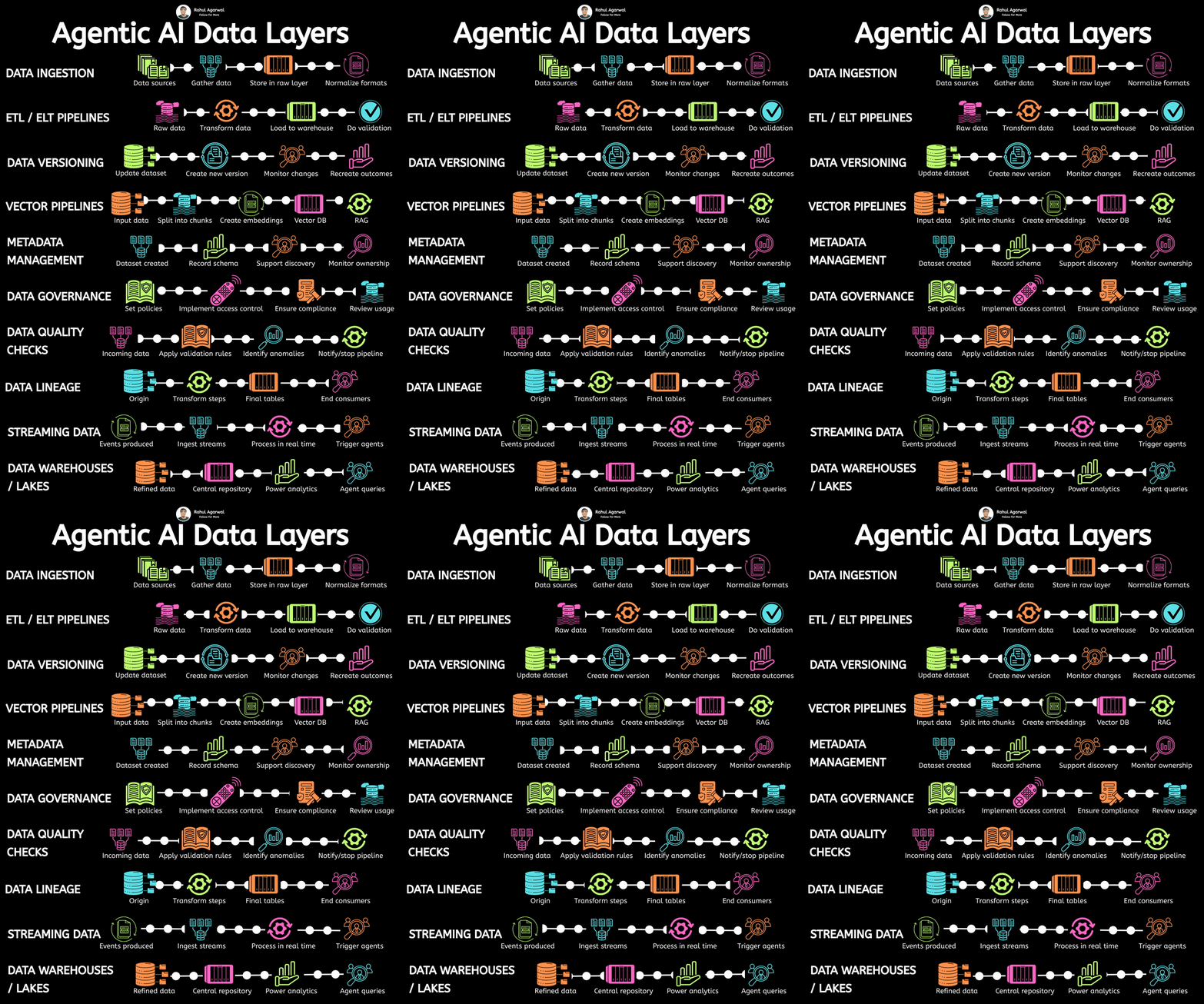
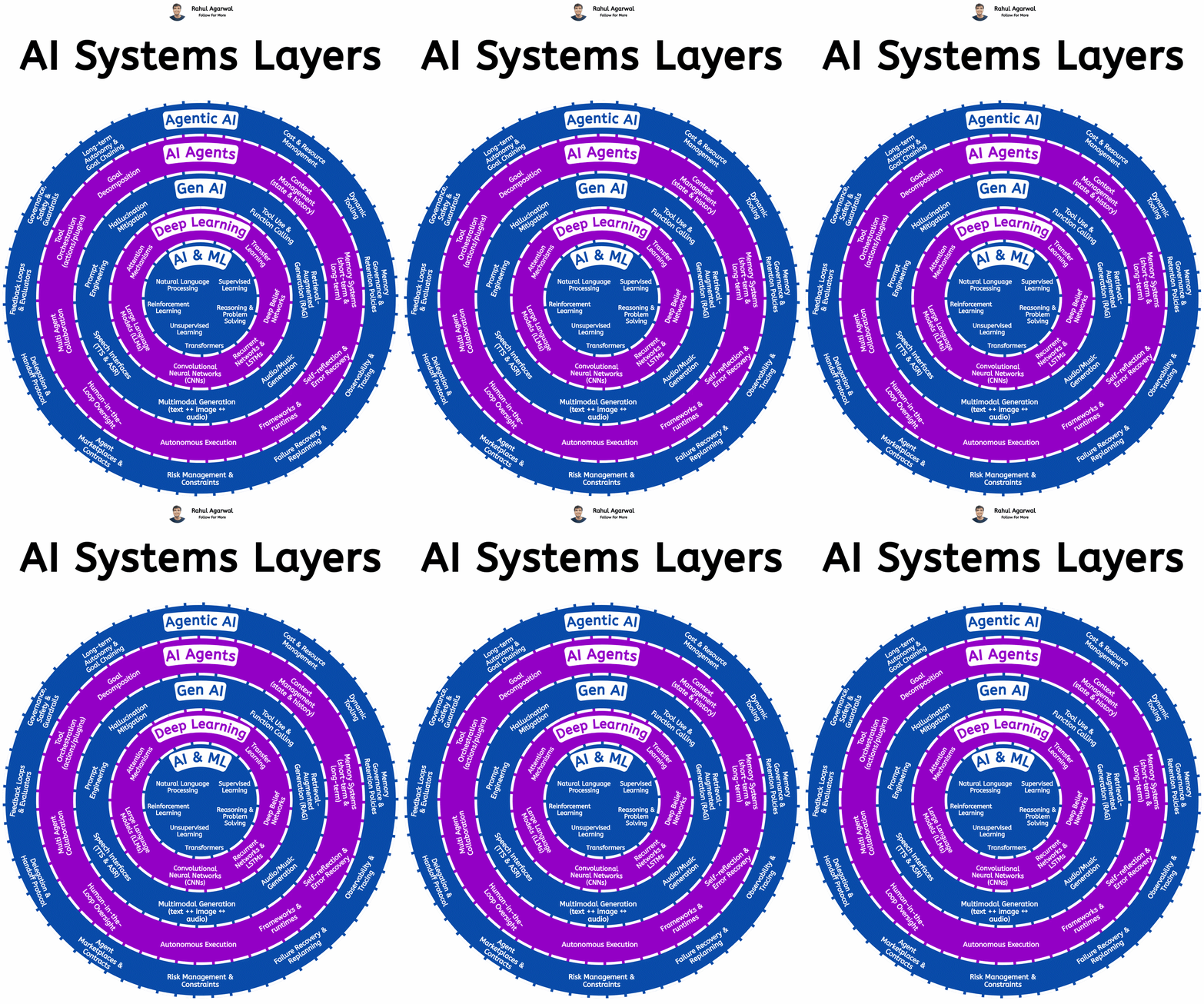
Enterprise AI agents are systems, not simple prompts. Some teams use a single agent with tools. This works well for simple automation tasks. Structured work often uses agents in sequence. Each agent handles one clear stage. At scale, tools are cen
See More




Baqer Ali
AI agent developer |... • 9m
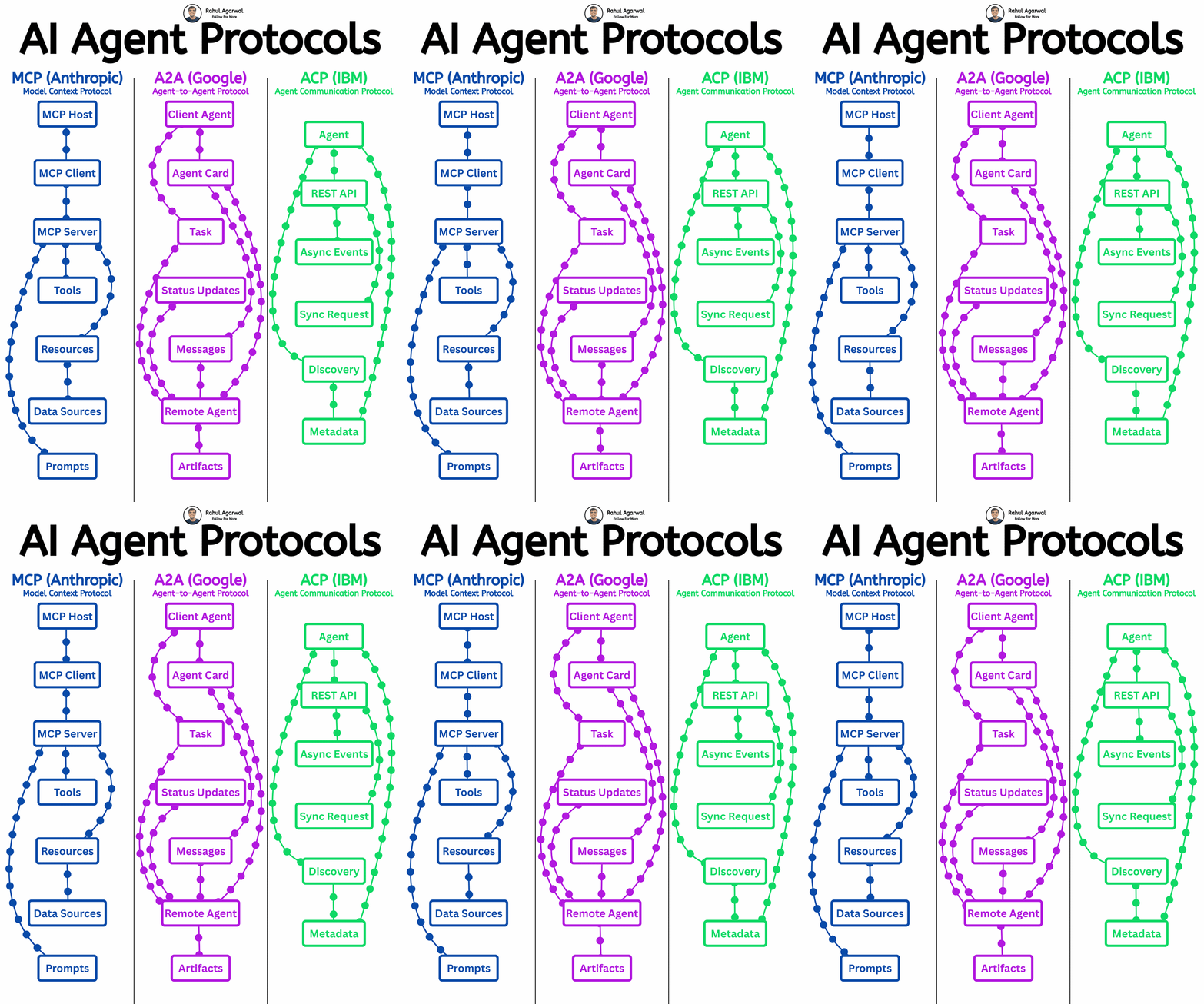
Yep 2025 is the era of ai agents. We have MCPS that is the Model context protocol in which your AI agent that is a LLM model will have a access to server and that server will have tools like duckduckgo serach YFinance etc this was from antopic ai and
See More



/entrackr/media/post_attachments/wp-content/uploads/2021/08/Accel-1.jpg)
























Download the medial app to read full posts, comements and news.