News on Medial

Related News

Exclusive: Tiger Global-backed Kutumb enters gay dating space with Polo

EntrackrEntrackr · 5d ago
Exclusive: Tiger Global-backed Kutumb enters gay dating space with Polo
Medial

Bengaluru-based community platform Kutumb has expanded into the online dating space with the rollout of Polo, a dedicated gay dating application that is currently available on the Google Play Store. As per its Play Store listing, Polo offers features such as selfie-based profile verification, smart matchmaking, instant messaging, and audio and video calling. It also enables users to create private photo albums and use interest-based filters, including age and location. The company has not made a formal announcement regarding the launch. The availability of Polo comes as Kutumb continues to build consumer internet products beyond its core community-first social networking platform. Besides Polo, Kutumb operates several consumer applications across categories such as astrology, lifestyle, social, and utilities. These include Tarot99, Astro99, Digi God, Piku AI, Zuno, Zumo, and Digital Baby. In June 2021, Kutumb raised $26 million in a Series A funding round led by Tiger Global, with participation from Quiet Capital, Rocketship VC, Nirman Investments, AngelList Syndicate, and angel investors. For FY25, Kutumb’s revenue from operations increased 173% year-on-year to Rs 128.6 crore from Rs 47.2 crore in FY24. The firm reported a net profit of Rs 12 crore during the fiscal, compared to a loss of Rs 3 crore in FY24. As per sources, Polo is currently generating around Rs 5 crore in monthly revenue. Queries sent to Kutumb didn’t elicit any immediate response. Polo enters India’s LGBTQ+ dating market, where platforms such as Grindr, ROMEO, u2nite, HiMoon, and RainbowLuv are already active. The segment is smaller than mainstream dating apps but is growing steadily, mainly in urban areas. User safety, privacy, profile verification, and moderation are important, as concerns around fake accounts, harassment, and data security can directly affect user trust and retention.

Eternal eyes 100% inventory play for Blinkit to improve margins

EntrackrEntrackr · 9m ago
Eternal eyes 100% inventory play for Blinkit to improve margins
Medial

Eternal eyes 100% inventory play for Blinkit to improve margins Eternal Limited, the company formerly known as Zomato, is gearing up for a strategic shift in its quick commerce arm, Blinkit, by planning to own inventory directly—a move enabled by its recent transition to an Indian-owned and controlled company (IOCC), according to a shareholder letter released by the company. The move will strengthen its operations and improve margins as it faces increased competition from both established players and new entrants in the quick commerce space. Eternal estimates that adopting a 100% inventory model would require less than Rs 1,000 crore in working capital. This amount is only about 5% of Blinkit's expected Net Order Value (NOV) of Rs 22,000 crore for FY25. In response to a question on how a pure-play inventory model could be achieved with Rs 1,000 crore, Eternal’s CFO Akshant Goyal explained that in quick commerce, inventory moves quickly. As a result, the company expects that working capital investments, relative to the overall scale of the business, will remain relatively low. The plan to keep inventory for BlinkIt comes on the back of its aggressive expansion in Q4 FY25, where it added 294 new stores and over 1 million sq ft of warehouse space, pushing its total store count to 1,301. However, such rapid growth led to widening EBITDA losses for Blinkit, from Rs 103 crore in Q3 to Rs 178 crore in Q4 of the last fiscal year (FY25). Even as short-term losses rise, Eternal remains bullish on the long-term profitability of the quick commerce space. The company is not planning private labels for now, but hinted that inventory control could eventually nudge EBITDA margins beyond the 5-6% of NOV it currently targets.

Exclusive: CoinDCX co-founder partners with ISRO scientists to launch Astrobase, raises $10 Mn

EntrackrEntrackr · 7m ago
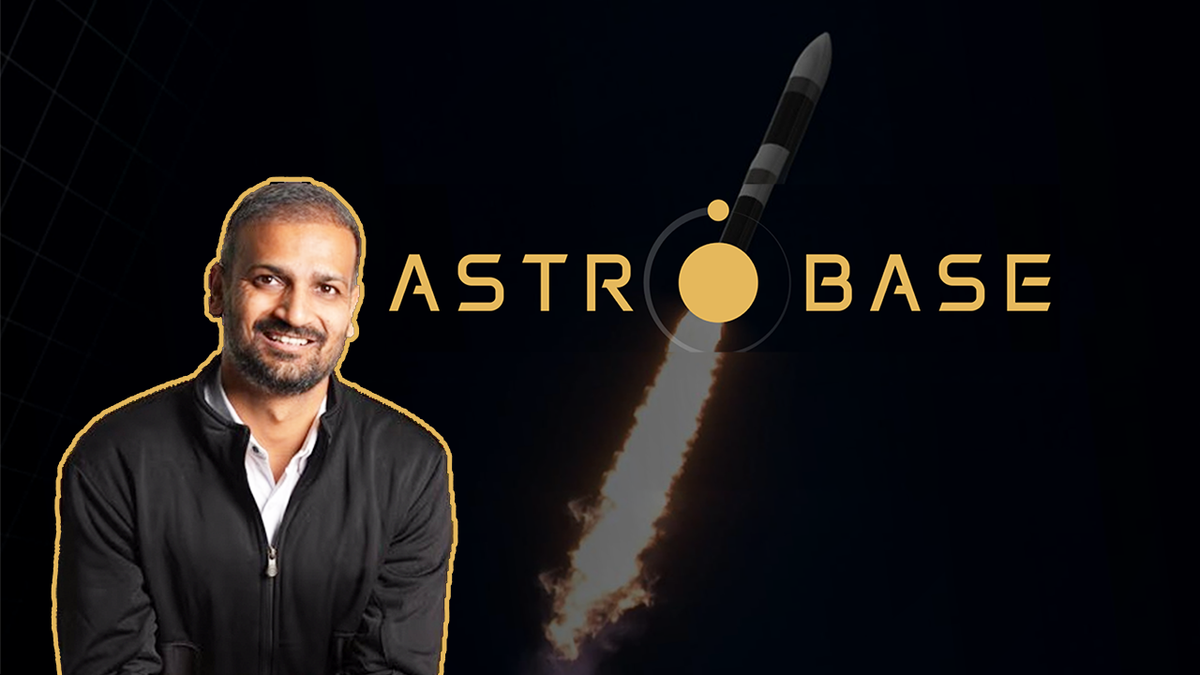
Exclusive: CoinDCX co-founder partners with ISRO scientists to launch Astrobase, raises $10 Mn
Medial

Exclusive: CoinDCX co-founder partners with ISRO scientists to launch Astrobase, raises $10 Mn The Bengaluru-based space tech company has raised over Rs 60 crore ($7 million) in its maiden funding round, led by venture firm BanyanCo, as per information sourced from the regulatory filings with MCA. CoinDCX co-founder Neeraj Khandelwal has partnered with senior ISRO scientists Devakumar Thammisetty, Pawan Kumar, and Prashant M to launch Astrobase, according to sources familiar with the matter. Astrobase aims to address the growing demand for satellite launches by building cost-efficient, high-payload launch vehicles. “The company is working on a methane oxygen full flow staged combustion engine designed to carry payloads ranging from 3 to 10 tonnes. It plans to offer three configurations of its launch vehicle: fully expendable, partially reusable and fully reusable, with a target launch cost of $300 per kilogram by 2034,” a person familiar with the matter said. As per sources, the company has secured an engine manufacturing facility in Bengaluru’s aerospace hub and is ready to begin production. “Astrobase is moving from research and development to manufacturing. It has completed engine and vehicle designs for an orbital-class launch system.” Entrackr estimates the startup’s valuation at approximately Rs 623 crore ($72 million) in this round. The company is preparing to raise additional capital, and its valuation will change accordingly. Following Entrackr’s story, Khandelwal clarified that the company has closed a $10 million seed round. He mentioned that the engine manufacturing facility is up and running, with 10 senior ISRO scientists on board. Over the past two years, spacetech startups are gaining momentum over the past few years. In 2024, 13 startups from the segment raised around $85 million in funding. In the ongoing calendar year, 10 such startups have announced their fundraise worth over $15 million. In 2025, the Indian government introduced a Rs 500 crore ($58 million) fund through IN-SPACe and approved a Rs 1,000 crore ($116 million) VC fund to support space-tech startups. The funds are intended to increase local development, reduce import reliance, and expand private sector participation in the space sector.

Agrileaf secures $2 Mn co-led by Capital-A and Samarsh Capital

EntrackrEntrackr · 1y ago
Agrileaf secures $2 Mn co-led by Capital-A and Samarsh Capital
Medial

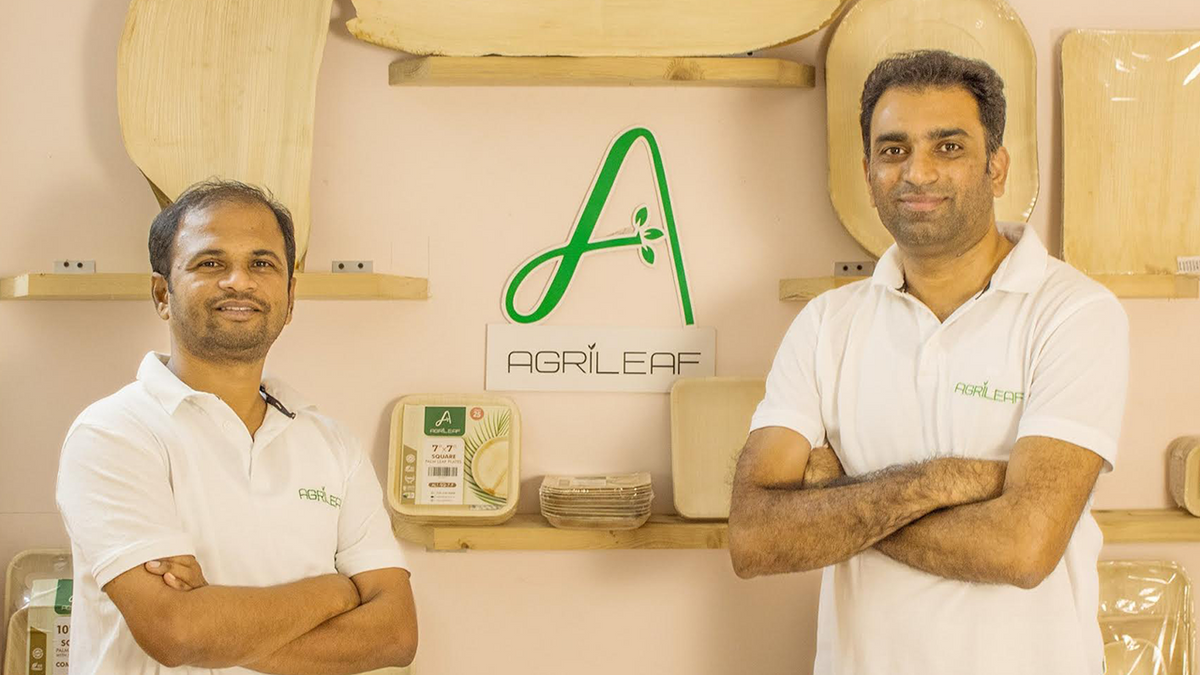
Agrileaf, a manufacturer and exporter of biodegradable dinnerware, has secured Rs 16 crore (about $2 million) in growth funding co-led by Capital-A and Samarsh Capital. The round also witnessed participation from angel investors, including Shaji Devekar, Siddharth Bafna, the family office of Ved Prakash, Pritie Jain, Sumeet Bhalotia, Dhruv Taneja, and Chiranth Patil. The fresh funds will be utilized to expand its operations in existing markets across the US and Europe, build a consumer-facing brand in India, and enhance production capacity. Co-founded in 2019 by Avinash Rao and Athishay Jain, Agrileaf is an areca leaf tableware manufacturer and exporter, offering top-quality products aligned with eco-friendly values. The company integrates a robust supply chain of areca leaf collection with advanced robotics and AI-driven quality control to ensure high-quality, backyard-compostable products that meet both market and environmental needs. According to market research, the market for biodegradable packaging is expected to reach approximately $140.66 billion by 2029, with a CAGR of around 5.97% from 2024 to 2029. The Mangalore-based company provides a sustainable, high-strength alternative to plastic, paper, and bagasse plates. It intends to support local areca farmers through responsible sourcing and aims to foster a zero-waste, community-centered future with eco-friendly solutions available worldwide. The company targets producing up to 300,000 dinnerware products daily by the end of 2025 and has created over 1,000 jobs, supporting rural economic development. It competes with other players in this space, such as VerTerra Dinnerware, SM Areca Leaf Plate Eco-Friendly Products, and Vegware.

Licious reports Rs 685 Cr revenue in FY24; cuts losses by 44%

EntrackrEntrackr · 1y ago
Licious reports Rs 685 Cr revenue in FY24; cuts losses by 44%
Medial

D2C meat and seafood brand Licious has experienced sluggish growth over the past two fiscal years, with revenue hovering around Rs 700 crore. However, the firm has successfully reduced its losses by 44% in the last fiscal year (FY24). According to the company’s press release, Licious’s revenue declined by 9%, from Rs 746 crore in FY23 to Rs 685 crore in FY24. This modest decline was attributed to the closure of distribution channels like Dunzo and Swiggy Meatsore, as well as a winding down of exposure to modern trade and local stores. Licious reports serving 1.2 million customers each month through its app, which now drives 85% of its total business. The company’s flagship program, Infinity, accounts for 58% of its overall revenue. Despite the slight decrease in revenue, Licious implemented cost control measures that helped cut losses by 44%, bringing them down to Rs 294 crore in FY24 from Rs 524 crore in FY23. The company also anticipates achieving positive EBITDA in the current fiscal year. By the end of FY24, Licious laid off nearly 3% of its workforce citing “operational reset to sharpen the growth focus. The move impacted 80 employees. In an effort to enhance customer experience, Licious is piloting 30-minute deliveries in Gurugram as it shifts to a full-stack D2C model. Additionally, on Tuesday, the firm expanded its physical retail presence by acquiring Bengaluru-based offline retailer My Chicken and More, increasing its retail points of sale to 26. To date, the Bengaluru-based company has raised over $450 million. According to TheKredible, Mayfield India is the largest stakeholder in Licious with 14.69%, followed by Vertex Ventures, 3one4 Capital, Temasek, and others. Licious is the largest player in the D2C meat and seafood space, competing with companies like FreshToHome, Zapfresh, BBDaily, MeatRoot, and Easymeat. In October 2023, quick commerce platform Zepto entered the meat delivery market with its in-house brand, Relish. This vertical reportedly achieved an annual recurring revenue (ARR) of Rs 150 crore in just six months, with a projected revenue run rate of Rs 1,000 crore by March 2026.

Download the medial app to read full posts, comements and news.