

Back

Rahul Agarwal
Founder | Agentic AI... • 9h
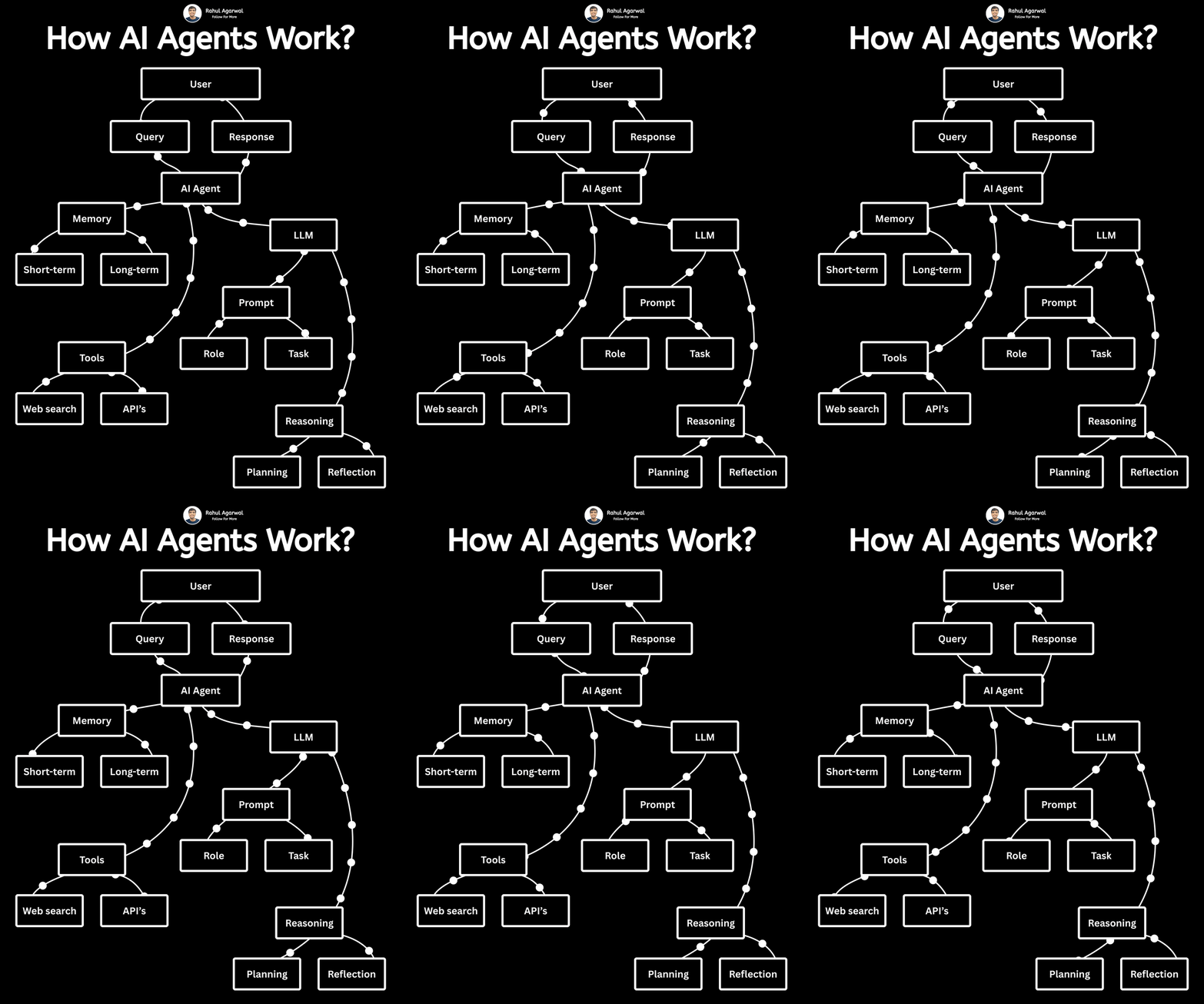
Most non-tech people learning AI don’t get this. I've explained it in a simple way below. 1. 𝗨𝘀𝗲𝗿 Everything starts with the 𝗨𝘀𝗲𝗿. • The user wants something done • Example: “𝘍𝘪𝘯𝘥 𝘵𝘩𝘦 𝘣𝘦𝘴𝘵 𝘭𝘢𝘱𝘵𝘰𝘱 𝘶𝘯𝘥𝘦𝘳 $1000” or “𝘞𝘳𝘪𝘵𝘦 𝘢𝘯 𝘦𝘮𝘢𝘪𝘭” 2. 𝗤𝘂𝗲𝗿𝘆 The user’s input becomes a 𝗤𝘂𝗲𝗿𝘆. • This is the raw request sent to the AI Agent • It can be a question, instruction, or task Think of it as: “𝘞𝘩𝘢𝘵 𝘥𝘰𝘦𝘴 𝘵𝘩𝘦 𝘶𝘴𝘦𝘳 𝘸𝘢𝘯𝘵?” 3. 𝗔𝗜 𝗔𝗴𝗲𝗻𝘁 (𝗧𝗵𝗲 𝗕𝗿𝗮𝗶𝗻 / 𝗖𝗼𝗻𝘁𝗿𝗼𝗹𝗹𝗲𝗿) The 𝗔𝗜 𝗔𝗴𝗲𝗻𝘁 is the central decision-maker. It: • Understands the query • Decides what to do next • Chooses whether to use memory, tools, or the LLM • Manages the full flow from input → output It doesn't just answer. It plans, thinks, and acts. 4. 𝗠𝗲𝗺𝗼𝗿𝘆 The AI Agent connects to 𝗠𝗲𝗺𝗼𝗿𝘆 to remember things. 𝗮) 𝗦𝗵𝗼𝗿𝘁-𝘁𝗲𝗿𝗺 𝗠𝗲𝗺𝗼𝗿𝘆 • Remembers current conversation context • Example: what the user said 2 messages ago 𝗯) 𝗟𝗼𝗻𝗴-𝘁𝗲𝗿𝗺 𝗠𝗲𝗺𝗼𝗿𝘆 • Stores important information for future use • Example: user preferences, past tasks, saved facts Memory helps the agent give 𝗽𝗲𝗿𝘀𝗼𝗻𝗮𝗹𝗶𝘇𝗲𝗱 𝗮𝗻𝗱 𝗰𝗼𝗻𝘀𝗶𝘀𝘁𝗲𝗻𝘁 answers. 5. 𝗧𝗼𝗼𝗹𝘀 If the task needs external help, the agent uses 𝗧𝗼𝗼𝗹𝘀. 𝗮) 𝗪𝗲𝗯 𝗦𝗲𝗮𝗿𝗰𝗵 • To get real-time or updated information • Example: latest news, prices, documentation 𝗯) 𝗔𝗣𝗜𝘀 • To interact with other software or services • Example: send emails, fetch data, book meetings Tools allow the agent to 𝘁𝗮𝗸𝗲 𝗮𝗰𝘁𝗶𝗼𝗻𝘀. 6. 𝗟𝗟𝗠 (𝗟𝗮𝗿𝗴𝗲 𝗟𝗮𝗻𝗴𝘂𝗮𝗴𝗲 𝗠𝗼𝗱𝗲𝗹) The AI Agent sends instructions to the 𝗟𝗟𝗠. The LLM is responsible for: • Understanding language • Generating text • Reasoning and logic But the LLM 𝗼𝗻𝗹𝘆 𝗿𝗲𝘀𝗽𝗼𝗻𝗱𝘀 𝗯𝗮𝘀𝗲𝗱 𝗼𝗻 𝘄𝗵𝗮𝘁 𝗶𝘁’𝘀 𝗴𝗶𝘃𝗲𝗻. 7. 𝗣𝗿𝗼𝗺𝗽𝘁 To guide the LLM, the agent builds a 𝗣𝗿𝗼𝗺𝗽𝘁. The prompt contains: 𝗮) 𝗥𝗼𝗹𝗲 • Defines 𝘸𝘩𝘰 the AI should act as • Example: “You are a financial expert” 𝗯) 𝗧𝗮𝘀𝗸 • Defines 𝘸𝘩𝘢𝘵 needs to be done • Example: “Analyse growth trends” A good prompt = better output. 8. 𝗥𝗲𝗮𝘀𝗼𝗻𝗶𝗻𝗴 The LLM then performs 𝗥𝗲𝗮𝘀𝗼𝗻𝗶𝗻𝗴. This includes: 𝗮) 𝗣𝗹𝗮𝗻𝗻𝗶𝗻𝗴 • Breaking the task into steps • Deciding the best approach 𝗯) 𝗥𝗲𝗳𝗹𝗲𝗰𝘁𝗶𝗼𝗻 • Checking if the answer makes sense • Improving clarity or correctness This is what makes AI feel “smart”. 9. 𝗥𝗲𝘀𝗽𝗼𝗻𝘀𝗲 After reasoning, the LLM generates a 𝗥𝗲𝘀𝗽𝗼𝗻𝘀𝗲. • The agent reviews it • May store useful info in memory • Then sends it back to the user 10. 𝗕𝗮𝗰𝗸 𝘁𝗼 𝗨𝘀𝗲𝗿 Finally, the 𝗨𝘀𝗲𝗿 𝗿𝗲𝗰𝗲𝗶𝘃𝗲𝘀 𝘁𝗵𝗲 𝗿𝗲𝘀𝗽𝗼𝗻𝘀𝗲. • The loop continues if the user asks again • Memory and context keep improving the experience This is quite basic but many beginners still struggle with it ✅ Repost for non-technical people in your network learning AI.
More like this
Recommendations from Medial
Rahul Agarwal
Founder | Agentic AI... • 1m
Hands down the simplest explanation of AI agents using LLMs, memory, and tools. A user sends an input → the system (agent) builds a prompt and may call tools and memory-search (RAG) → agent decides and builds an answer → the answer is returned to th
See More

Kimiko
Startups | AI | info... • 8m
AI Agents now have muscle memory. This Python SDK records agent tool-calling patterns, replays them for repeated tasks, and falls back to agent mode for edge cases. 100% Opensource. Read more here: https://www.theunwindai.com/p/muscle-memory-for-a
See More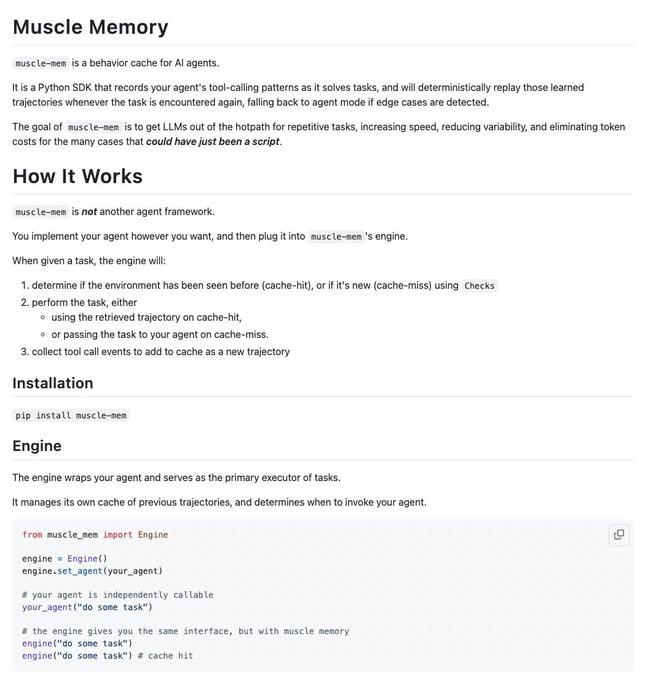











Anonymous
Hey I am on Medial • 1y
Microsoft has launched a new piece of open source infrastructure which allows users to direct multiple AI agents to work together to complete user tasks. Magentic-One (a play on Microsoft and Agentic) employs a multi-agent architecture where a lead
See More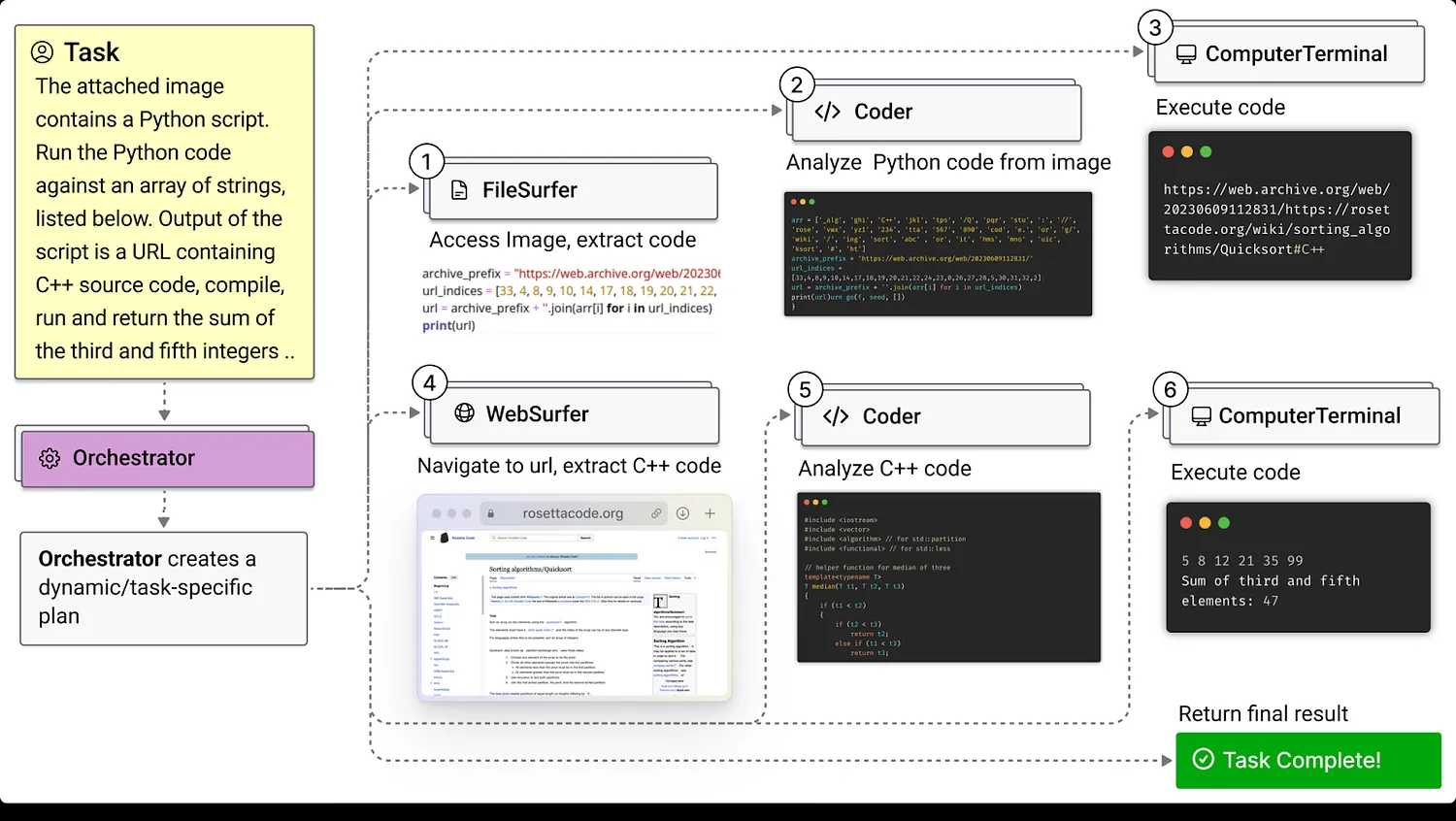

























Download the medial app to read full posts, comements and news.