
Back

Rahul Agarwal
Founder | Agentic AI... • 1m
2 main frameworks powering today’s AI workflows. I’ve explained both in simple steps below. 𝗡𝟴𝗡 (𝗟𝗶𝗻𝗲𝗮𝗿 𝗔𝗴𝗲𝗻𝘁 𝗙𝗹𝗼𝘄) (𝘴𝘵𝘦𝘱-𝘣𝘺-𝘴𝘵𝘦𝘱) N8N lets AI follow a 𝘀𝘁𝗿𝗮𝗶𝗴𝗵𝘁, 𝘃𝗶𝘀𝘂𝗮𝗹 𝘄𝗼𝗿𝗸𝗳𝗹𝗼𝘄, moving step-by-step from input to output. 1. 𝗨𝘀𝗲𝗿 𝗜𝗻𝗽𝘂𝘁 – User provides a query, data, or task request. 2. 𝗔𝗜 𝗔𝗴𝗲𝗻𝘁 – The AI interprets the request and decides what needs to be done. 3. 𝗧𝗼𝗼𝗹 𝗖𝗮𝗹𝗹 – The flow triggers an action such as an API call or function execution. 4. 𝗠𝗲𝗺𝗼𝗿𝘆 – Relevant details are stored for later steps or future context. 5. 𝗗𝗲𝗰𝗶𝘀𝗶𝗼𝗻 – A logic check chooses the next path based on conditions. 6. 𝗟𝗟𝗠 𝗥𝗲𝘀𝗽𝗼𝗻𝘀𝗲 – The system generates a final answer for the user. This creates a clean, predictable pipeline that runs tasks in a 𝗰𝗹𝗲𝗮𝗿, 𝘀𝘁𝗿𝘂𝗰𝘁𝘂𝗿𝗲𝗱 𝗼𝗿𝗱𝗲𝗿. 𝗘𝘅𝗮𝗺𝗽𝗹𝗲 (𝗡8𝗡): A user uploads an invoice → AI extracts the details → Tool Call sends it to your accounting software → Decision checks if fields are complete → LLM writes a confirmation → User receives a clean summary. _________________________________________________ 𝗟𝗔𝗡𝗚𝗚𝗥𝗔𝗣𝗛 (𝗚𝗿𝗮𝗽𝗵-𝗯𝗮𝘀𝗲𝗱 𝗠𝘂𝗹𝘁𝗶-𝗔𝗴𝗲𝗻𝘁 𝗦𝘆𝘀𝘁𝗲𝗺) (𝘴𝘵𝘦𝘱-𝘣𝘺-𝘴𝘵𝘦𝘱) LangGraph enables 𝗶𝗻𝘁𝗲𝗿𝗮𝗰𝘁𝗶𝘃𝗲, 𝘀𝘁𝗮𝘁𝗲𝗳𝘂𝗹 𝗮𝗴𝗲𝗻𝘁𝘀 that collaborate and take complex decisions using a shared memory. 1. 𝗦𝘁𝗮𝘁𝗲 – A shared memory space stores all information agents need. 2. 𝟭𝘀𝘁 𝗔𝗴𝗲𝗻𝘁 – The primary agent reads the state and handles the first part of the task. 3. 𝟮𝗻𝗱 𝗔𝗴𝗲𝗻𝘁 – A secondary agent assists with deeper reasoning or specialization. 4. 𝗧𝗼𝗼𝗹 𝗡𝗼𝗱𝗲 – External actions (APIs, databases, functions) are executed here. 5. 𝗖𝗼𝗻𝗱𝗶𝘁𝗶𝗼𝗻 𝗖𝗵𝗲𝗰𝗸 – The system evaluates rules and decides which path to take. 6. 𝗥𝗲𝘁𝗿𝘆 → 𝗖𝗼𝗻𝘁𝗶𝗻𝘂𝗲 – If something fails or needs refinement, the agent loops back to retry. 7. 𝗗𝗼𝗻𝗲 → 𝗘𝗻𝗱 – When all tasks are complete, the graph finalizes the output. This creates a 𝗱𝘆𝗻𝗮𝗺𝗶𝗰, 𝗳𝗹𝗲𝘅𝗶𝗯𝗹𝗲 𝘄𝗼𝗿𝗸𝗳𝗹𝗼𝘄 where agents think, collaborate, and refine tasks until the best result is reached. 𝗘𝘅𝗮𝗺𝗽𝗹𝗲 (𝗟𝗮𝗻𝗴𝗚𝗿𝗮𝗽𝗵): A chatbot receives a customer issue → Primary agent identifies the problem → Secondary agent searches past conversations for context → Tool Node checks order data → Condition Check sees missing details → Retry loop asks user for clarification → Agents collaborate → Final, personalized answer is generated 𝗜𝗻 𝘀𝗵𝗼𝗿𝘁: • 𝗡8𝗡 is for simple, linear workflows. • 𝗟𝗮𝗻𝗴𝗚𝗿𝗮𝗽𝗵 is for smarter, branching, multi-agent flows. ✅ Repost for others in your network who can benefit from this.

Replies (1)

More like this
Recommendations from Medial




Rahul Agarwal
Founder | Agentic AI... • 1m
Hands down the simplest explanation of AI agents using LLMs, memory, and tools. A user sends an input → the system (agent) builds a prompt and may call tools and memory-search (RAG) → agent decides and builds an answer → the answer is returned to th
See More


Anonymous
Hey I am on Medial • 1y
Microsoft has launched a new piece of open source infrastructure which allows users to direct multiple AI agents to work together to complete user tasks. Magentic-One (a play on Microsoft and Agentic) employs a multi-agent architecture where a lead
See More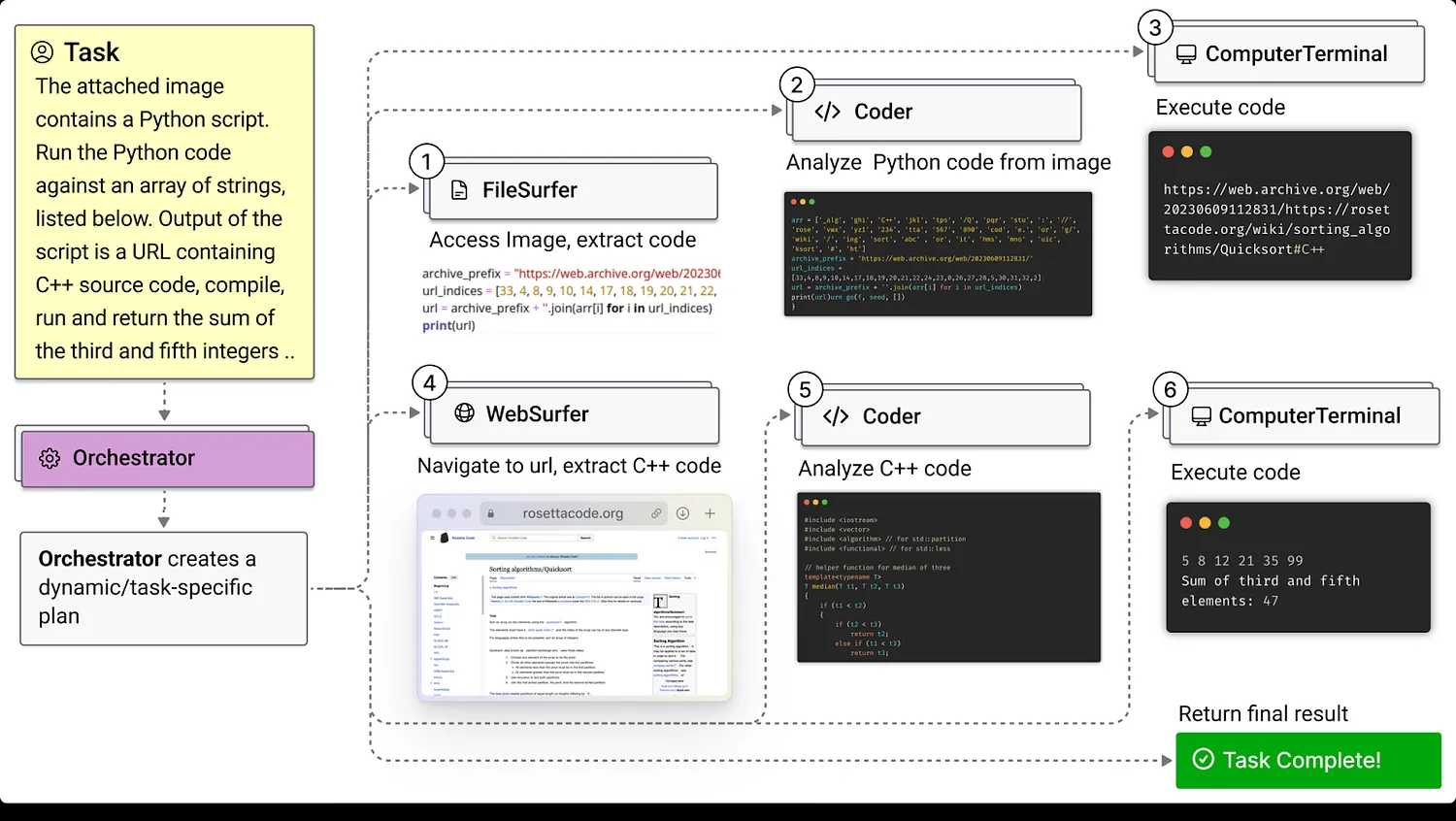





















Download the medial app to read full posts, comements and news.