

Back

Rahul Agarwal
Founder | Agentic AI... • 1m
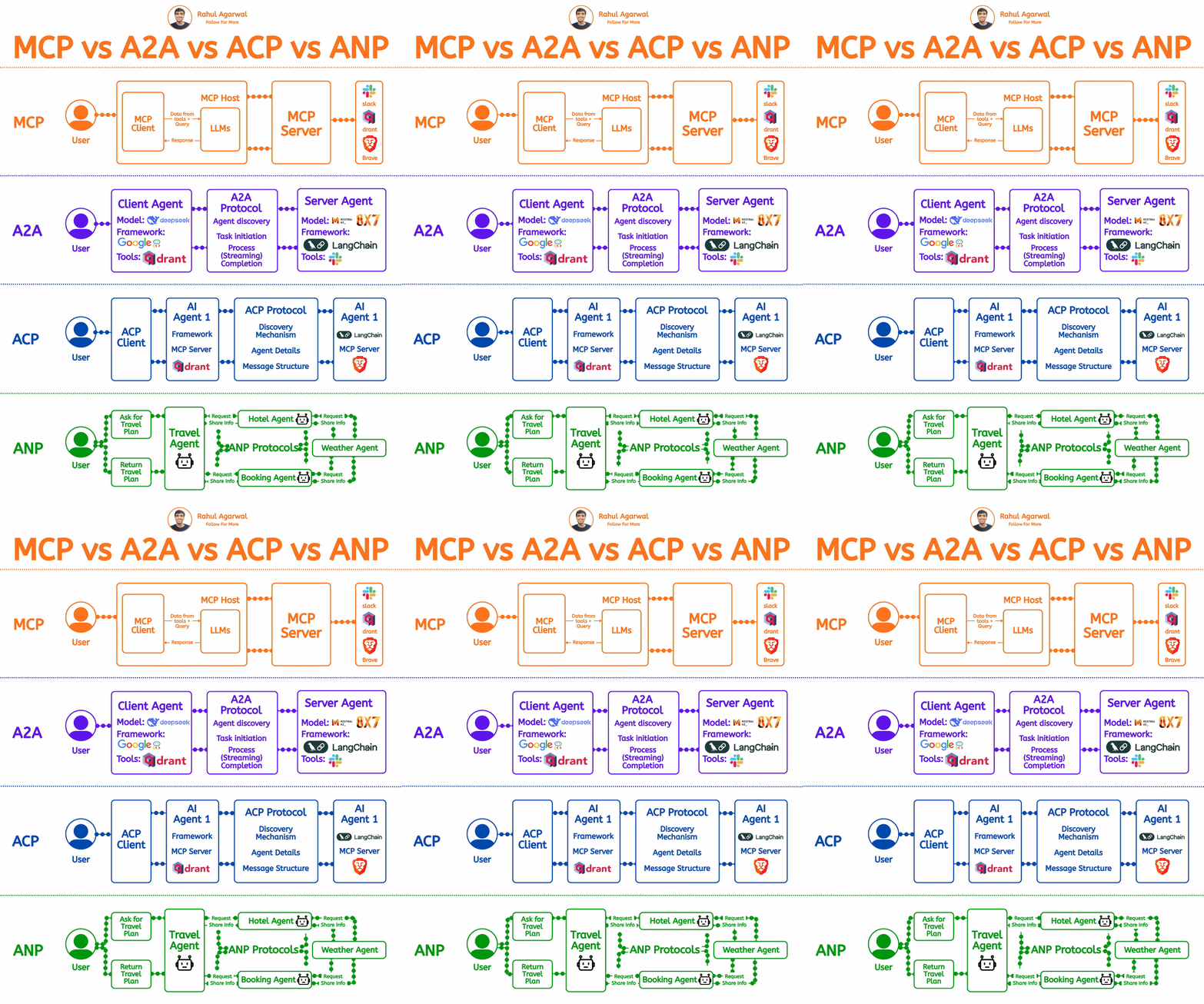
4 ways how AI systems communicate and coordinate. I've explained each one in detail below. 1. 𝗠𝗖𝗣 (𝗠𝗼𝗱𝗲𝗹 𝗖𝗼𝗻𝘁𝗲𝘅𝘁 𝗣𝗿𝗼𝘁𝗼𝗰𝗼𝗹) • User submits a request: “Summarize today’s Slack messages.” • MCP Client receives input: Interface between user and AI system. • Request forwarded to MCP Host: Host manages execution and control. • Model selection: MCP Host decides which LLM handles request. • Tool permission check: MCP Host defines allowed tools (Slack, DBs). • LLM processes intent: Understands task and decides if tool needed. • MCP Server executes tool calls: Communicates with Slack, Qdrant, Brave. • Tool data returned: Real-world data flows back to model. • Final response generated: Tool → LLM → MCP Client → User. 𝗠𝗖𝗣 = 𝗦𝗮𝗳𝗲, 𝘀𝘁𝗿𝘂𝗰𝘁𝘂𝗿𝗲𝗱 𝘄𝗮𝘆 𝗳𝗼𝗿 𝗟𝗟𝗠𝘀 𝘁𝗼 𝘂𝘀𝗲 𝘁𝗼𝗼𝗹𝘀 _____________ 2. 𝗔2𝗔 (𝗔𝗴𝗲𝗻𝘁-𝘁𝗼-𝗔𝗴𝗲𝗻𝘁 𝗣𝗿𝗼𝘁𝗼𝗰𝗼𝗹) • User gives a complex task: “Research competitors and summarize insights.” • Primary agent receives task: Acts as coordinator. • Agent discovery begins: System identifies agents with relevant skills. • A2A protocol establishes communication: Defines how agents exchange messages. • Task delegation happens: Research, analysis, summary agents. • Agents work independently: Each may use different models or tools. • Progress shared between agents: Partial results stream back. • Results aggregated: Primary agent combines outputs. • Final response delivered. 𝗔2𝗔 = 𝗔𝗜 𝗮𝗴𝗲𝗻𝘁𝘀 𝗰𝗼𝗹𝗹𝗮𝗯𝗼𝗿𝗮𝘁𝗶𝗻𝗴 𝗹𝗶𝗸𝗲 𝘁𝗲𝗮𝗺𝗺𝗮𝘁𝗲𝘀 ____________ 3. 𝗔𝗖𝗣 (𝗔𝗴𝗲𝗻𝘁 𝗖𝗼𝗺𝗺𝘂𝗻𝗶𝗰𝗮𝘁𝗶𝗼𝗻 𝗣𝗿𝗼𝘁𝗼𝗰𝗼𝗹) • User sends request via ACP Client: Entry point to agent system. • ACP Client routes request to Agent 1: First responding agent. • Agent exposes profile: Capabilities, tools, limits. • ACP defines message structure: Standard metadata and formats. • Agent discovery occurs: Other compatible agents identified. • Second agent joins: May use different tools or frameworks. • Protocol ensures understanding: All agents speak same “language”. • Structured communication happens: No custom formats or assumptions. • Response flows back: Clean and predictable output. 𝗔𝗖𝗣 = 𝗣𝗿𝗼𝗳𝗶𝗹𝗲 + 𝗵𝗮𝗻𝗱𝘀𝗵𝗮𝗸𝗲 𝘀𝘁𝗮𝗻𝗱𝗮𝗿𝗱 𝗳𝗼𝗿 𝗮𝗴𝗲𝗻𝘁𝘀 ____________ 4. 𝗔𝗡𝗣 (𝗔𝗴𝗲𝗻𝘁 𝗡𝗲𝘁𝘄𝗼𝗿𝗸 𝗣𝗿𝗼𝘁𝗼𝗰𝗼𝗹) • User submits a real-world request: “Plan a complete trip.” • Coordinator agent activated: Understands overall goal. • Relevant agents identified: Travel, hotel, weather agents. • ANP manages interactions: Routing requests and responses. • Agents share partial results: Availability, prices, forecasts. • Dependencies resolved: One agent’s output feeds another. • Network stays synchronized: Information remains consistent. • Final solution assembled: End-to-end plan created. • User receives outcome. 𝗔𝗡𝗣 = 𝗠𝘂𝗹𝘁𝗶-𝗮𝗴𝗲𝗻𝘁 𝘁𝗲𝗮𝗺𝘄𝗼𝗿𝗸 𝗳𝗼𝗿 𝗰𝗼𝗺𝗽𝗹𝗲𝘅 𝘄𝗼𝗿𝗸𝗳𝗹𝗼𝘄𝘀 ✅ Repost for other people in your network so they can understand this.
Replies (1)

More like this
Recommendations from Medial


Rahul Agarwal
Founder | Agentic AI... • 3m
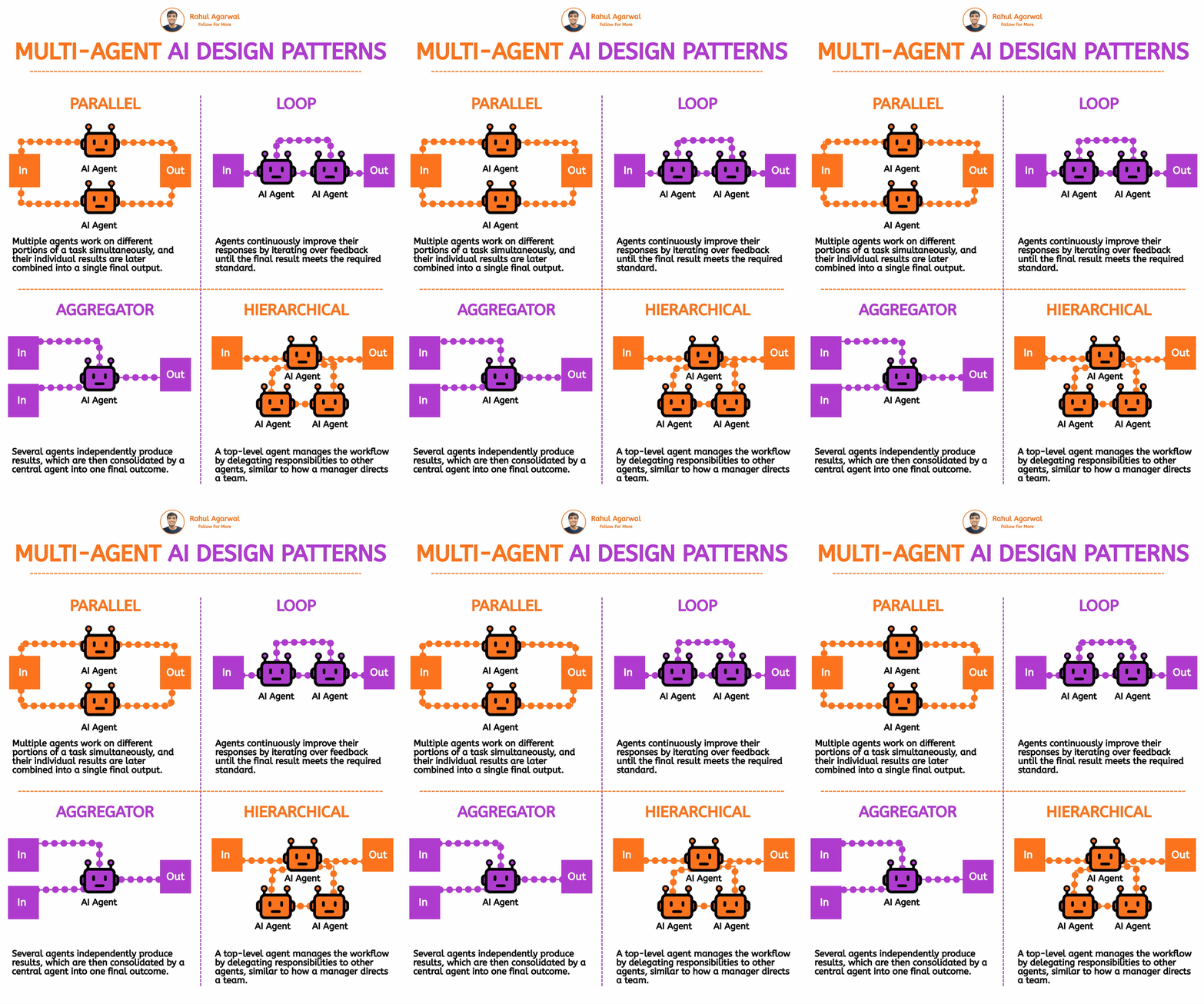
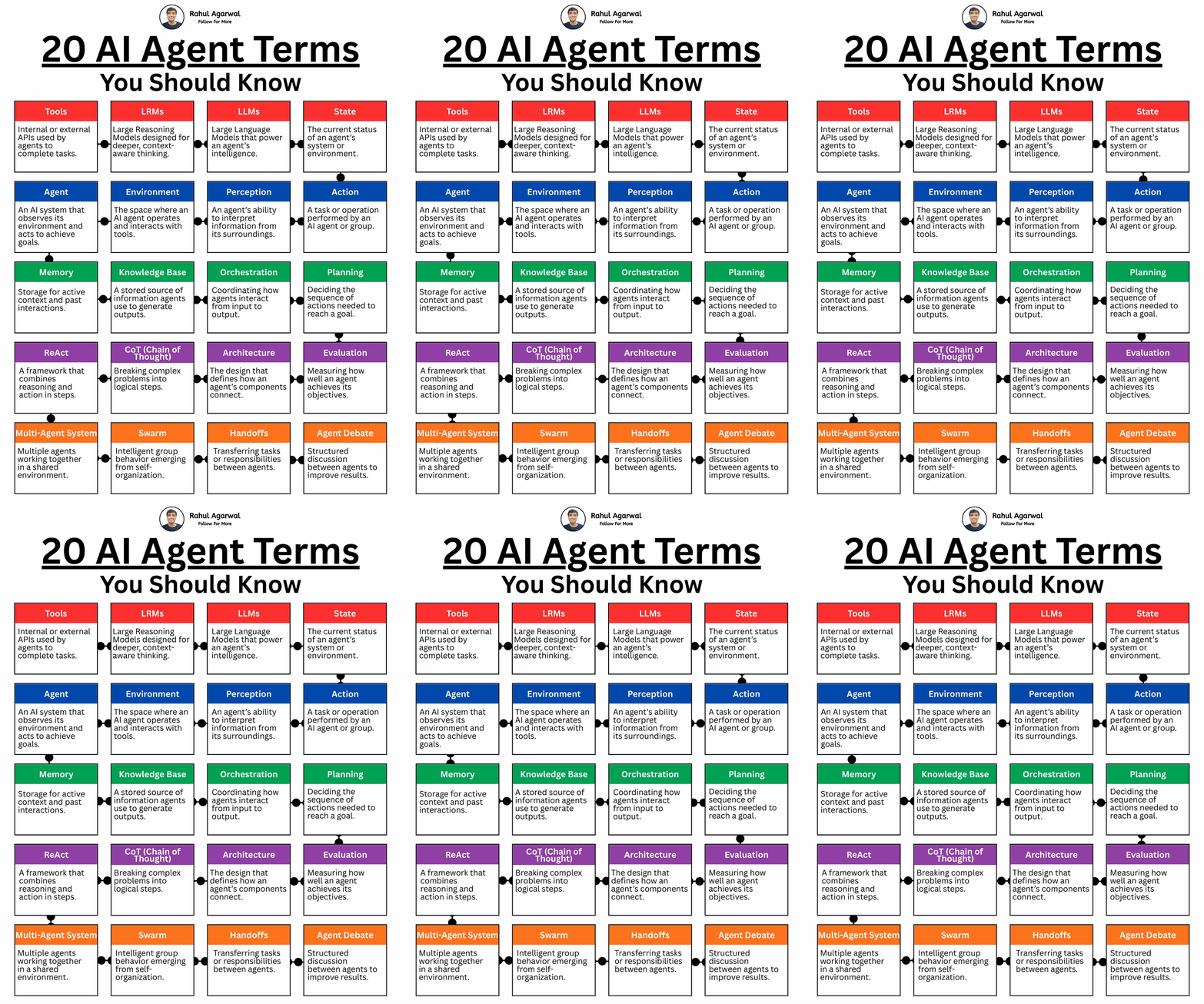
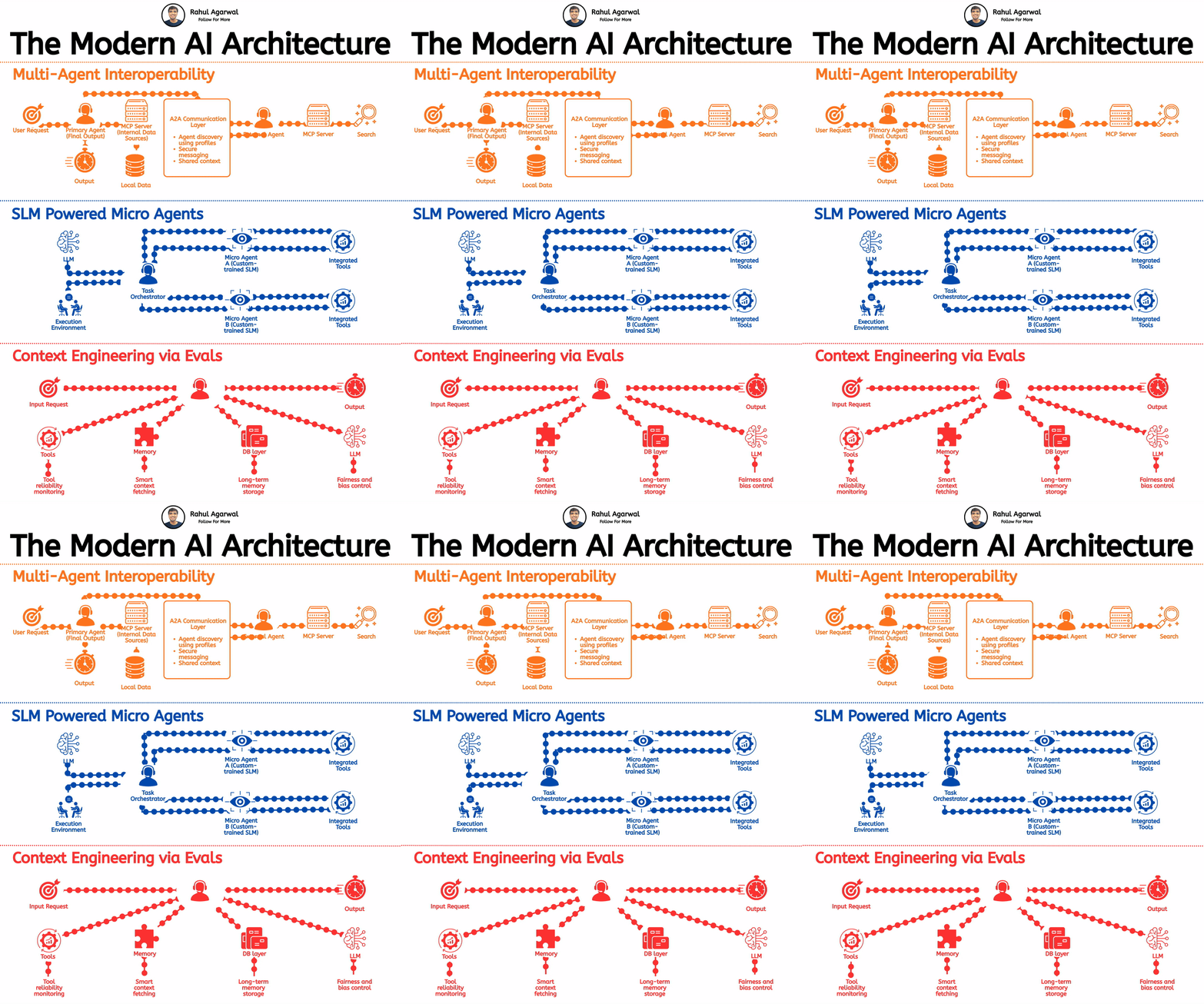
MCP is getting attention, but it’s just one piece of the puzzle If you’re developing Agentic AI systems, it’s crucial to understand more than just MCP. There are 5 key protocols shaping how AI agents communicate, collaborate, and scale intelligence
See More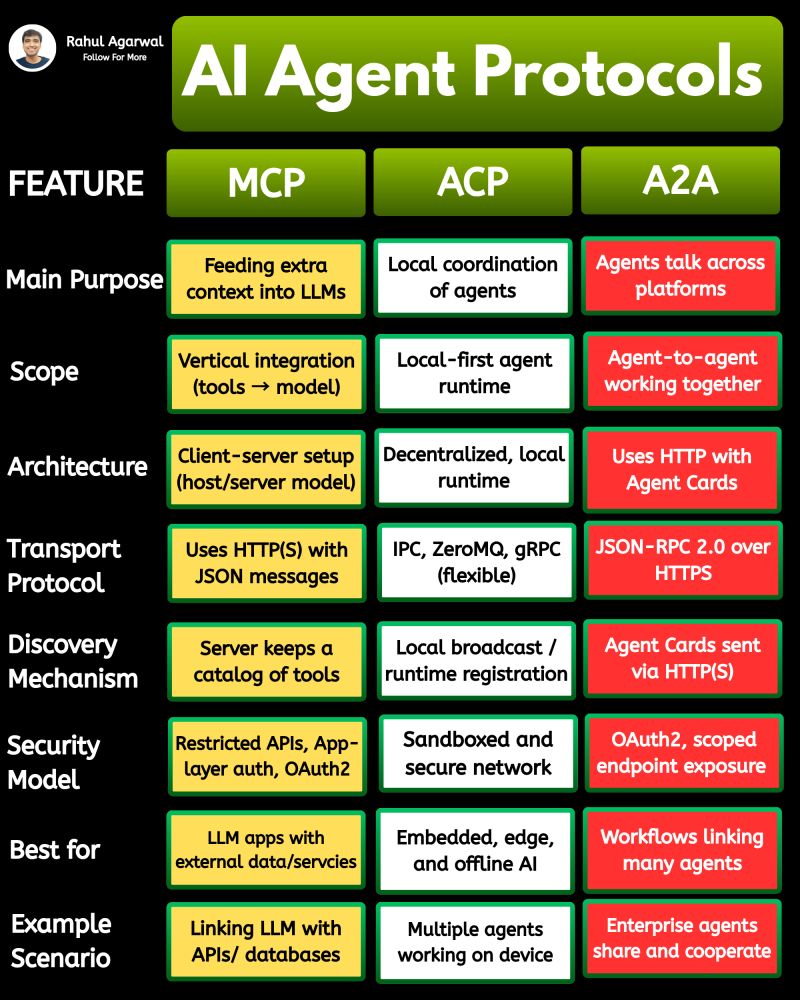

Rahul Agarwal
Founder | Agentic AI... • 2m
Hands down the simplest explanation of AI agents using LLMs, memory, and tools. A user sends an input → the system (agent) builds a prompt and may call tools and memory-search (RAG) → agent decides and builds an answer → the answer is returned to th
See More



Anonymous
Hey I am on Medial • 1y
Microsoft has launched a new piece of open source infrastructure which allows users to direct multiple AI agents to work together to complete user tasks. Magentic-One (a play on Microsoft and Agentic) employs a multi-agent architecture where a lead
See More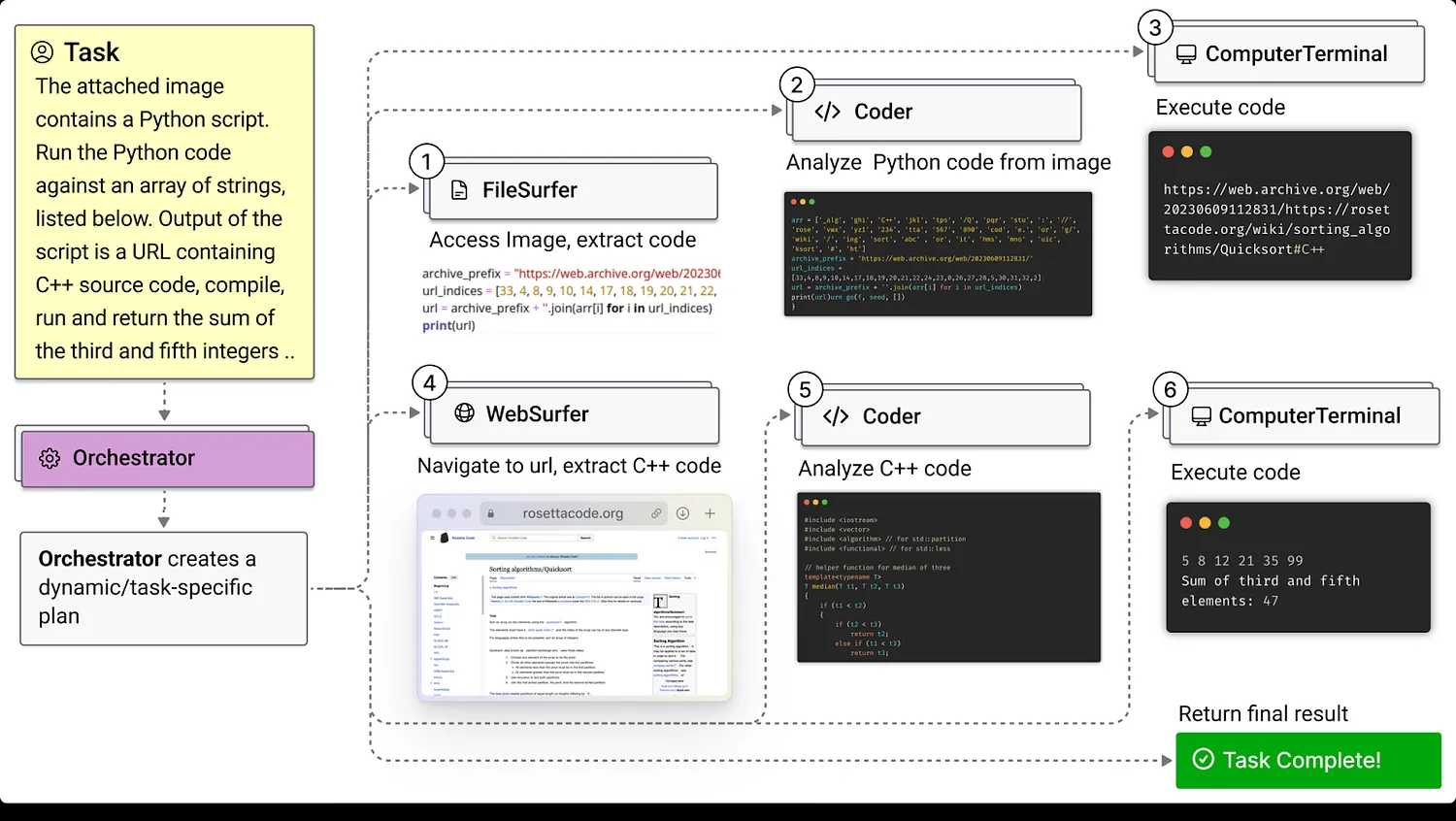

/entrackr/media/post_attachments/wp-content/uploads/2021/08/Accel-1.jpg)





















Download the medial app to read full posts, comements and news.