

Back

Abhinav Mudaliar
More interested in d... • 1m
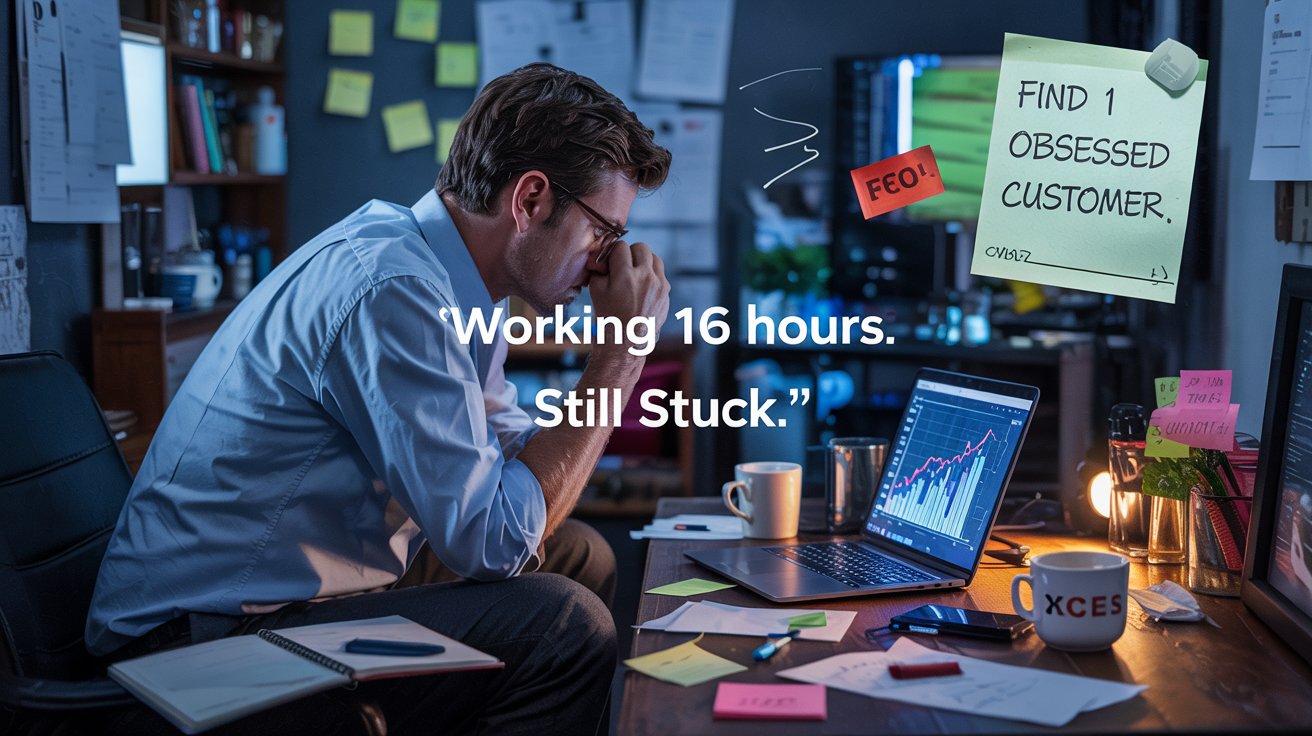
Most Early-Stage Startups Don’t Fail — They Drift Early-stage startups rarely fail overnight. More often, they lose clarity slowly. The problem is not lack of effort or execution. It’s signal loss. Founders start with one clear problem. Over time, inputs multiply — investors, advisors, peers, trends. The startup stays busy, but direction gets blurred. Motion starts replacing progress. At this stage, generic advice like “move fast” or “scale aggressively” can do more harm than good. What actually helps is discipline: solving one problem exceptionally well saying no to ideas that don’t serve the core delaying scale until the system is ready validating assumptions before building on them A simple filter I often use: If you removed this feature or initiative, would the user still feel the same pain? If yes, you may be drifting. In constrained environments, clarity is not optional — it’s survival. Progress in inches, when aligned, beats speed without direction.
More like this
Recommendations from Medial






Abhinav Mudaliar
More interested in d... • 10d
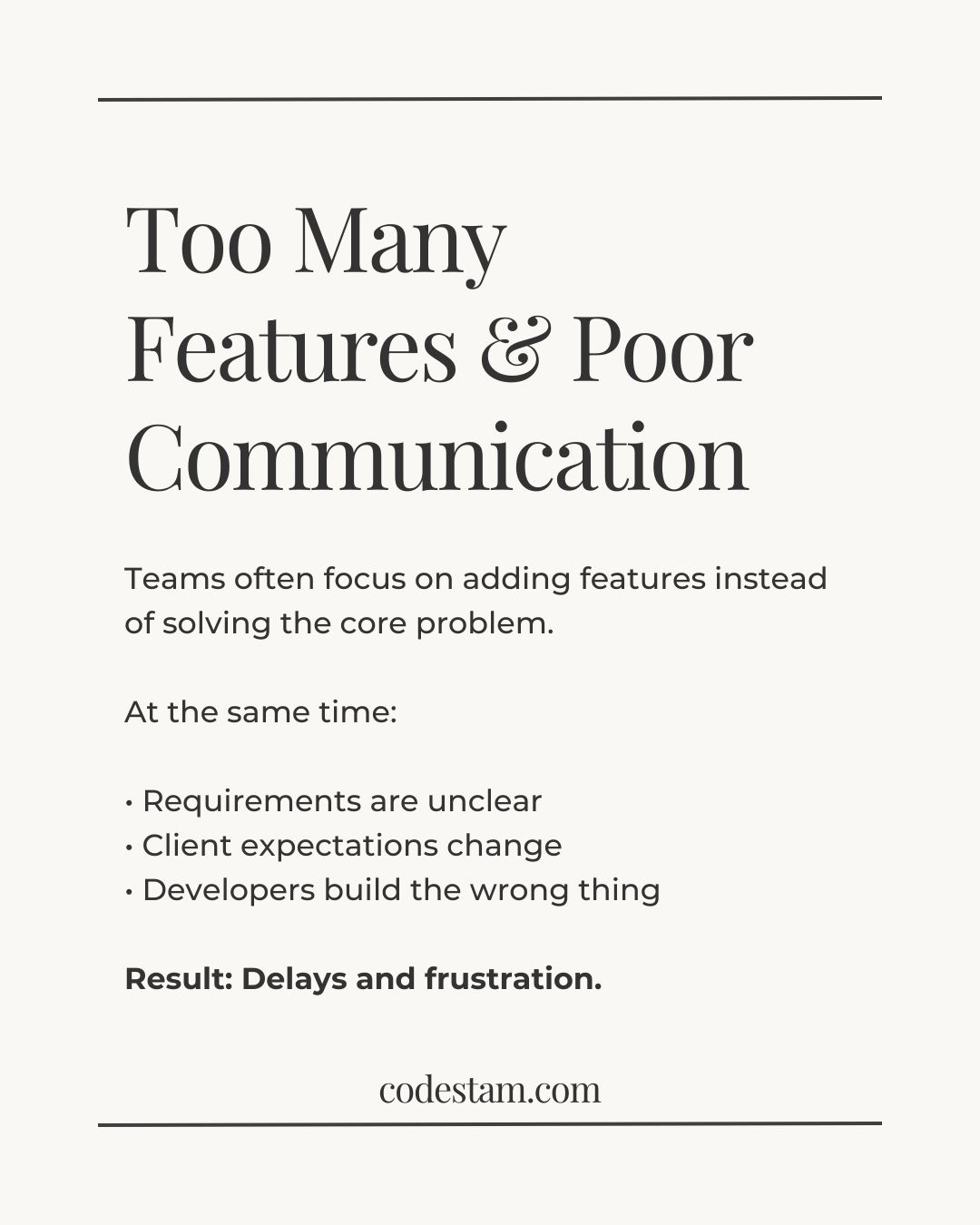
Startup culture celebrates speed. Move fast, launch fast, grow fast. But speed without direction can quietly damage a company. Teams hire quickly, products expand quickly, capital is deployed quickly—but the business may still drift away from what
See More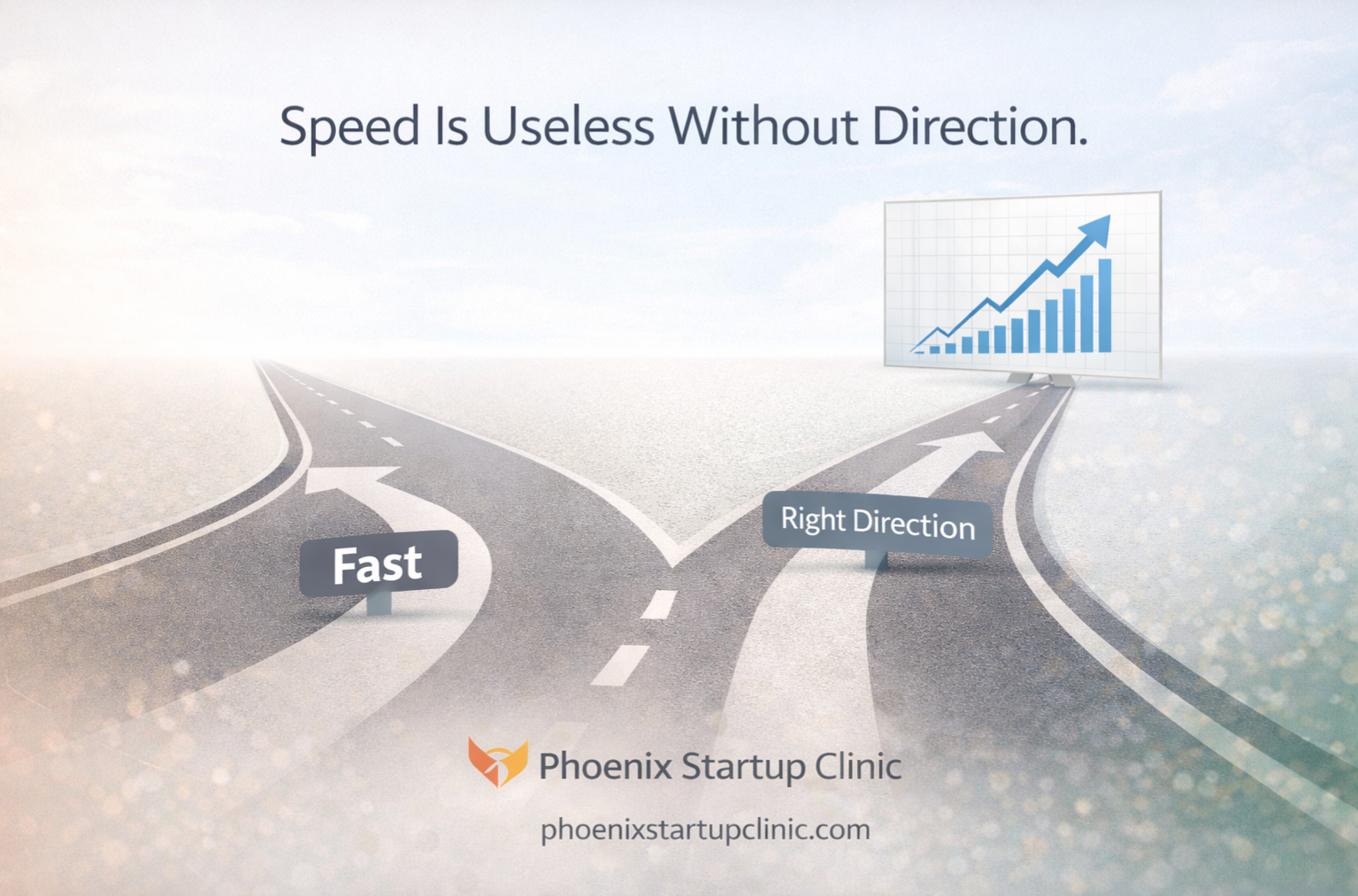



Abhinav Mudaliar
More interested in d... • 5d
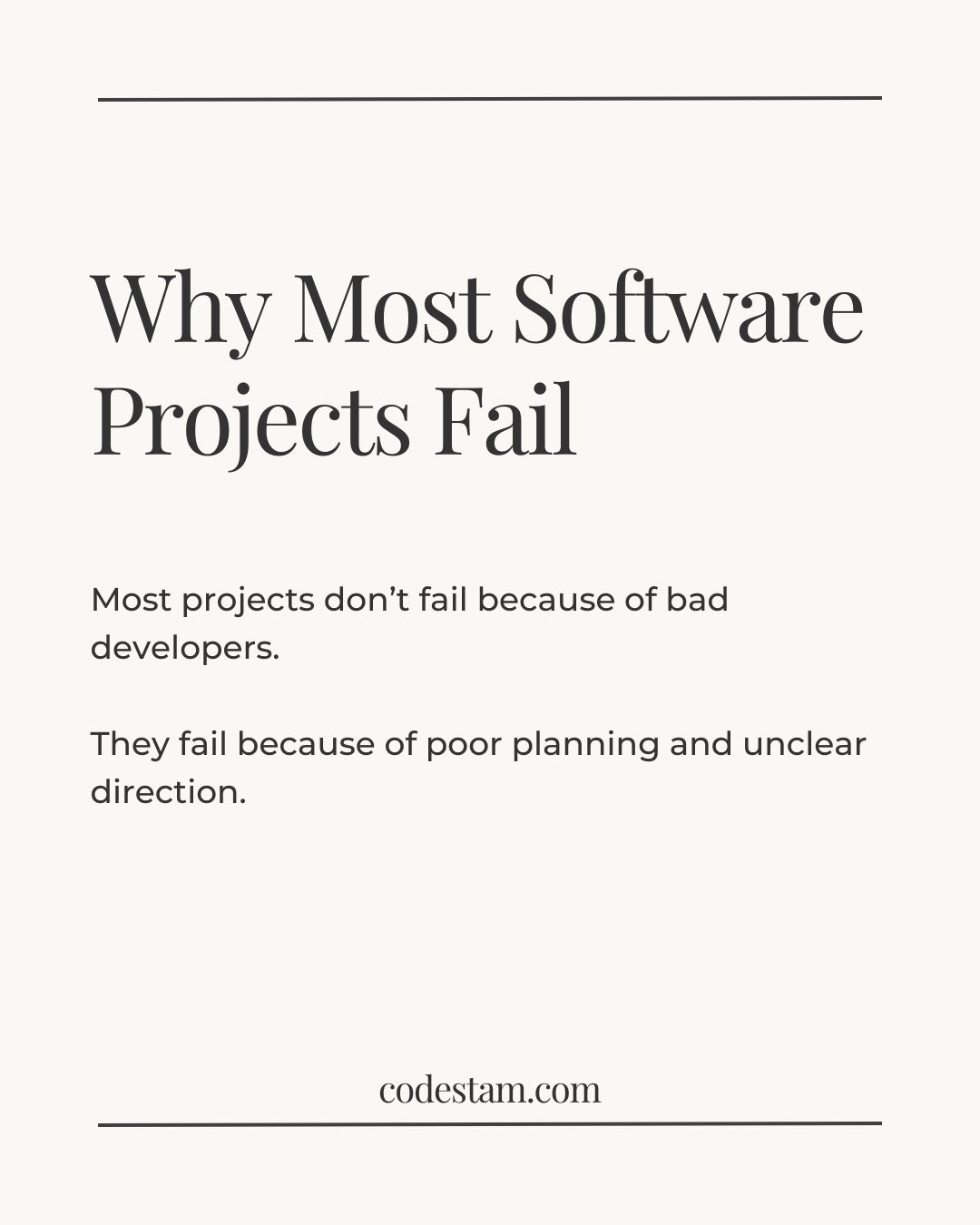
One thing I’ve observed: Lack of funds is often seen as a disadvantage in startups. But in many cases, it’s actually a filter. When you don’t have money, you are forced to test your idea in a real market, with real customers, and real transactions
See More

Codestam Technologies
We make automations ... • 3m
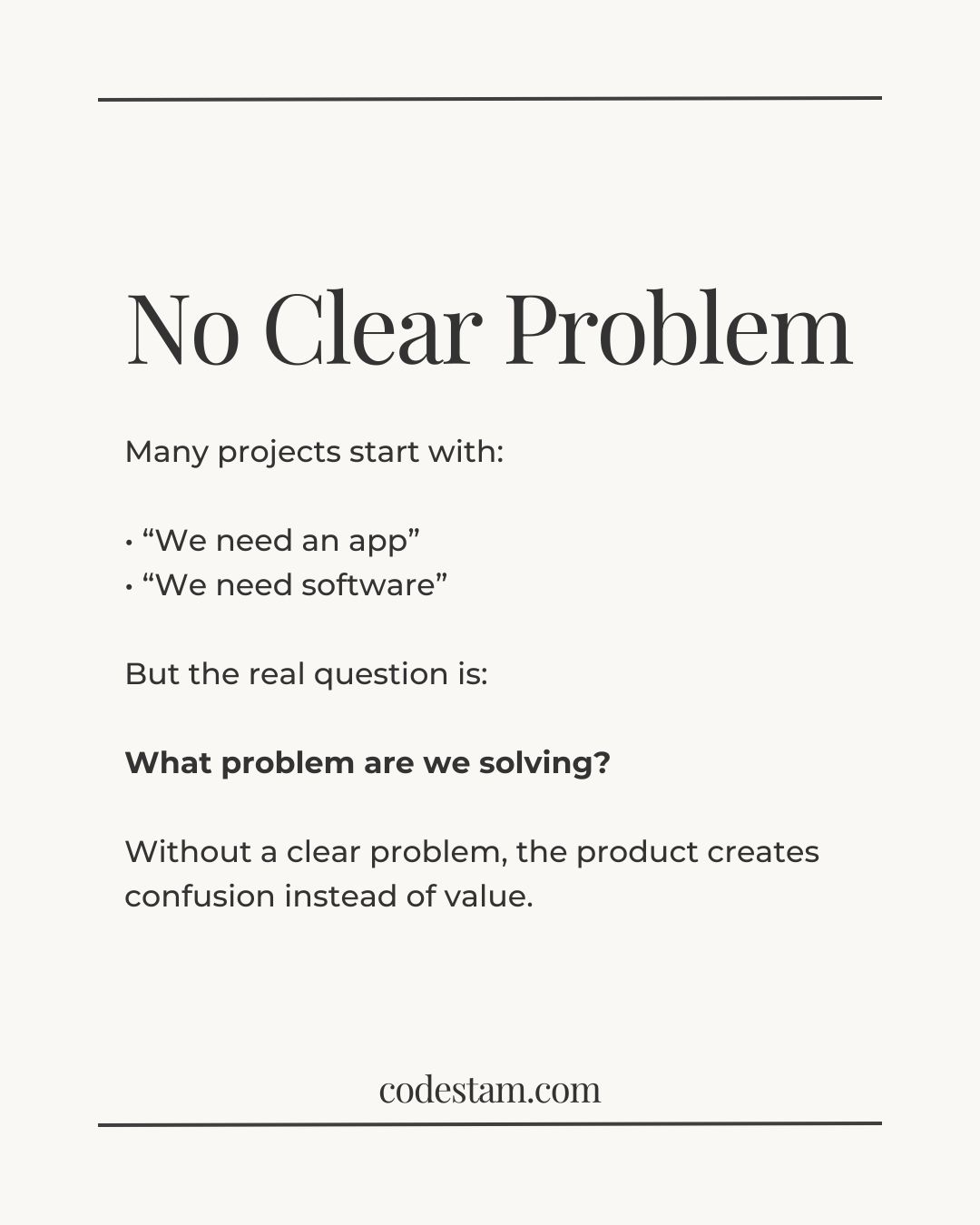
Fast hiring often feels efficient—but speed without clarity is costly. Rushed talent decisions quietly compound damage over time: • Trust slowly erodes • Knowledge walks out the door • Teams get stuck in rework loops Urgency solves short-term press
See More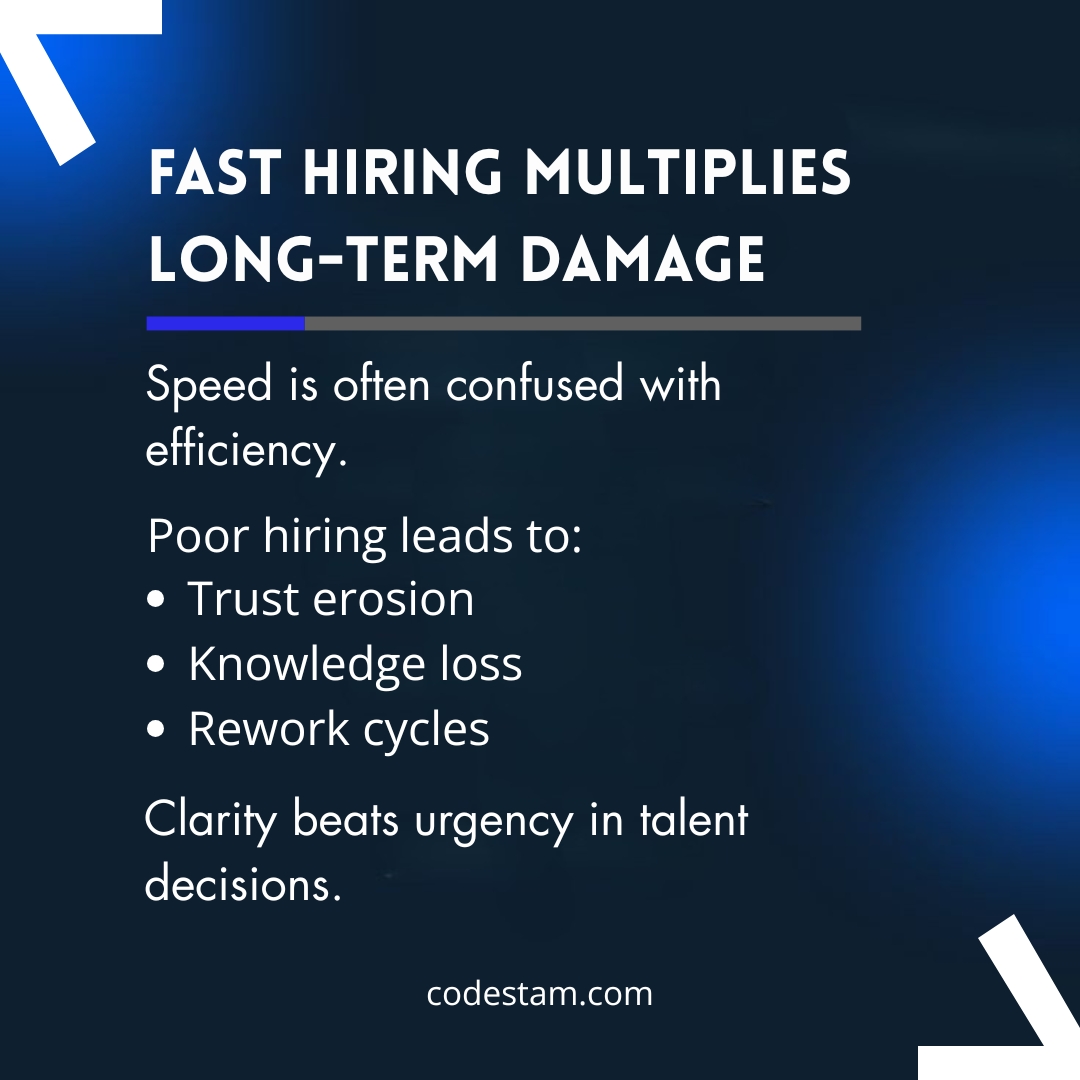







/entrackr/media/post_attachments/wp-content/uploads/2021/08/Accel-1.jpg)





















Download the medial app to read full posts, comements and news.