News on Medial

Related News

Paper Boat posts Rs 585 Cr revenue in FY24; cuts losses by 48%

EntrackrEntrackr · 1y ago
Paper Boat posts Rs 585 Cr revenue in FY24; cuts losses by 48%
Medial

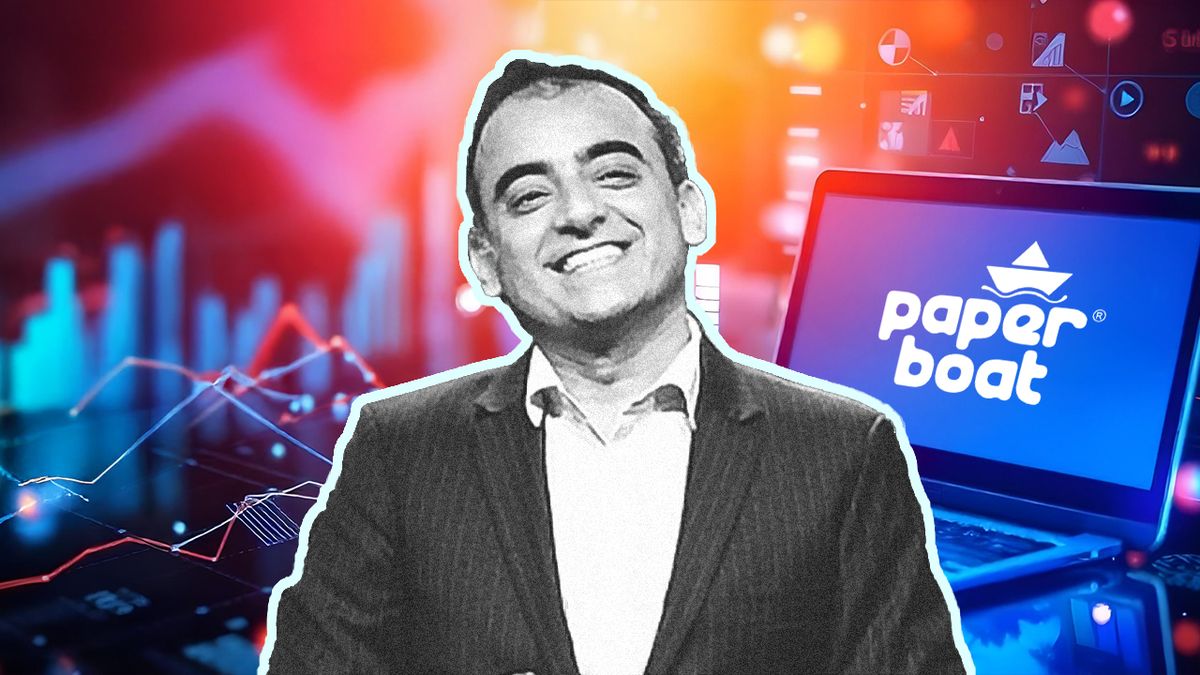
Hector Beverages owned Paper Boat, which manufactures soft drinks and beverages, saw its operating scale grow by a modest 16% year-on-year growth in the fiscal year ending March 2024. However, the A91 Partners-backed firm improved its bottom line by cutting its losses by 48% in the same period. Paper Boat’s revenue from operations increased to Rs 585 crore in FY24 from Rs 504 crore in FY23, its financial statement sourced from the Registrar of Companies (RoC) shows. In the previous fiscal year, it recorded more than 50% jump in its scale. Launched by former Coca-Cola executives Neeraj Kakkar and Niraj Biyani, Paper Boat sells packaged juices, coconut water, traditional Indian snacks, and dry fruits. Trade (manufactured by third-parties) of these products formed 52% of the operating revenue which increased by 16% to Rs 304.3 crore in FY24 from Rs 261.8 crore in FY23. Its own manufactured products accounted for the remaining 48% of operating revenue. This income also grew 15.7% to Rs 278 crore in FY24. The 11-year-old company earned additional Rs 10 crore from interest income which took its total revenue to Rs 595 crore in FY24. On the expense side, cost of materials dominated by accounting for 63% of the expense. This cost increased by 6.4% to Rs 404 crore in the last fiscal year from Rs 380 crore in FY23. Employee benefit expenses grew by 22% to Rs 66.70 crore in FY24. Advertising, finance and other expenses added another Rs 171 crore. Overall, Paper Boat’s total expense increased 7.2% to Rs 642 crore in the last fiscal year. In the end, Paper Boat managed to decrease its losses by 48% to Rs 47 crore in FY24 from Rs 90.5 crore in FY23. Its ROCE and EBITDA margin stood at -15.45% and -5.63%, respectively. On a unit basis, it spent Rs 1.1 to earn a rupee of operating revenue in FY24. The Bengaluru-based company reported cash and bank balances of Rs 168 crore along with current assets of Rs 305 crore in FY24. According to TheKredible, Paper Boat has raised Rs 1,030 crore ($143 million) in funding so far, with key investors including GIC (Lathe), Peak XV, Sofina Ventures, and A91 Partners. GIC holds over 25% of the company’s stake, while Sofina and Peak XV each control more than 18%. Paper Boat, which entered the market with a fresh approach and offerings, has struggled to convert that initial promise into results. Even as it has continued to innovate and adapt, the search for profitability even 11 years after it started operations is a reason to worry, even as it has come close now. The other worrying aspect of the business is the complete change in market dynamics in the form of quick commerce, modern trade, e-commerce and more, which should affect margins at Paper Boat much more. The firm has done well to survive even as many other startups in the space struggled and folded up or were acquired. Could Paper Boat surprise skeptics once again? One has to wonder, consider the unbelievably high clutter in the market today, and the much more demanding valuations from the category per se.

Tata 1mg’s revenue nears Rs 2,000 Cr in FY24; losses down by 75%

EntrackrEntrackr · 1y ago
Tata 1mg’s revenue nears Rs 2,000 Cr in FY24; losses down by 75%
Medial

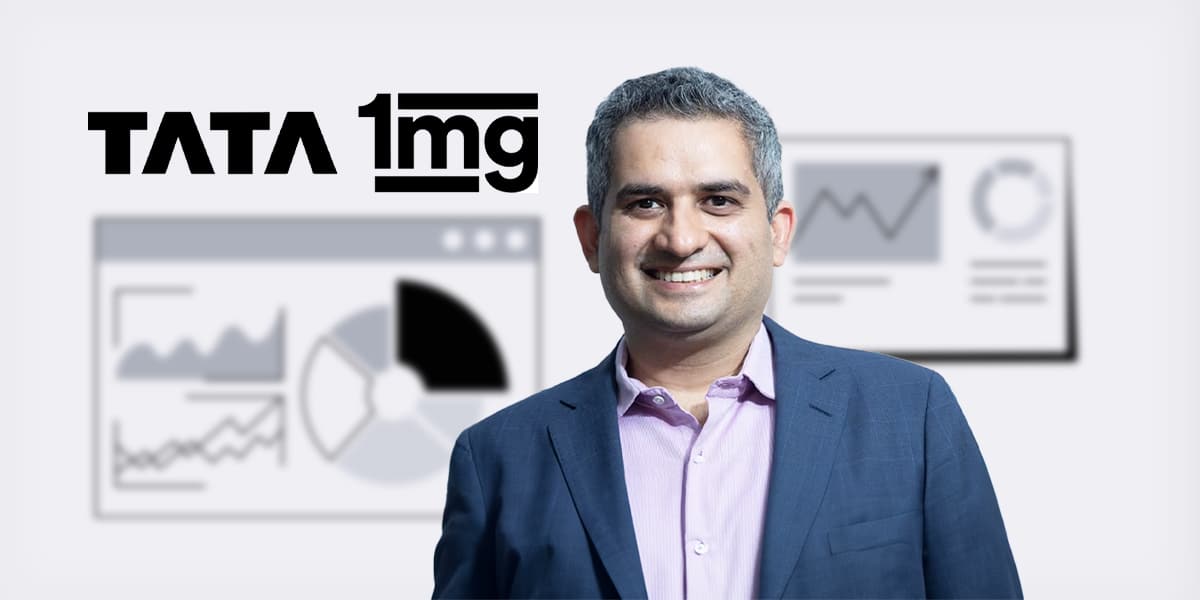
Tata 1mg chased growth during FY22 and FY23 and its collection spiked over two-fold in both fiscal years. But the company appears to have prioritized the bottom line in the fiscal year ending March 2024. As a result, its revenue grew by only 21%, and at the same time it cut down losses by 75% in FY24. Tata 1mg’s revenue from operations increased to Rs 1,968 crore in FY24 from Rs 1,627 crore in FY23, its consolidated financial statements sourced from the Registrar of Companies (RoC) show. Income from the sale of medicines formed 81.3% of Tata 1mg’s total revenue which increased 24% to Rs 1,599 crore in FY24. Lab test fees, patient support programme, advertising, shipping, were other revenue drivers for the Gurugram-based firm. The Prashant Tandon-led company also earned Rs 23 crore from interest, gain of financial assets, and other miscellaneous avenues which pushed its total income to Rs 1,991 crore in FY24. See TheKredible for the detailed revenue breakup. Since 1mg operates with inventory, the cost of procurement of medicines accounted for 56% of the overall expenditure. This cost grew by just 8.5% to Rs 1,289 crore in FY24. Tata 1mg’s spends on employee benefits, information technology, legal, advertising, commissions, packaging, fulfillment, and other overheads took its total cost up by 20.4% to Rs 2303 crore in FY24. Head to TheKredible for the complete expense breakdown. The decent scale and controlled cost helped Tata 1mg to reduce losses by 75% to Rs 313 crore in FY24 from Rs 1,255 crore in FY23. Its EBITDA margin stood at -10.85% in FY24. On a unit level, Tata 1mg spent Rs 1.17 to earn a rupee in the previous fiscal year. Cevat: The primary reason for the substantial losses in FY23 was the FVTPL cost (non-cash in nature), which amounted to Rs 668 crore. Tata Digital acquired a 55% stake in 1mg in June 2021 but since then it gained around 8.5% additional stake in the e-medicine platform. According to TheKredible, Tata Digital currently holds a 63.5% stake in 1mg which was last valued at 1.25 billion. As per Fintrackr’s estimates, its enterprise value to revenue multiple stood at 4.87X. FY23-FY24 FY23 FY24 EBITDA Margin -71.66% -10.85% Expense/₹ of Op Revenue ₹1.78 ₹1.17 ROCE -341.99 NA While the focus on bottomline is understandable as part of a large umbrella like the Tata Group, where freedom is proportional to financial performance,Tata 1mg’s cost control measures have another reason. It is probably no longer worthwhile to acquire customers at a high cost where customers have basically flunked the loyalty test. That has made most e-commerce players a lot more reticent about indiscriminate discounting and the likes in favor of much more data led, targeted campaigns. Of course, with a turkey as large as Tata Neu around, one would expect Tata 1mg to get a lot more leeway however.

PhonePe’s merchant app MAUs on rise as Paytm falls behind

EntrackrEntrackr · 1y ago
PhonePe’s merchant app MAUs on rise as Paytm falls behind
Medial

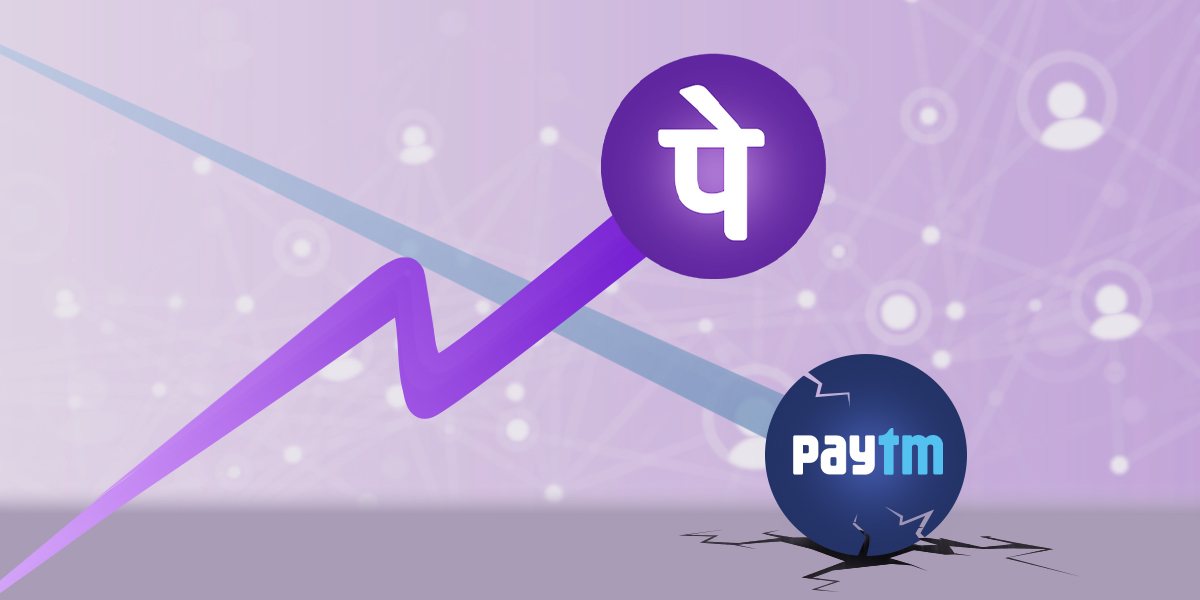
Digital payments platform PhonePe has managed to eclipse its arch rival Paytm by a decent margin in terms of monthly active users of its merchant app, according to data sourced from App Annie. The data was recorded between mid January to mid March. Paytm lost 20% MAU in the last quarter (between January and March), while PhonePe gained 20% during the same period. Roughly, Paytm’s MAUs stood at 9 million in March whereas PhonePe had around 11 million, as per the data. As of 2023, PhonePe and Paytm had over 37 million registered merchants base each. The recent actions by the Reserve Bank of India against Paytm appears to be the primary reason behind this as the company saw a sharp fall in active users after January this year. To recall, RBI had imposed restrictions on Paytm due to concerns regarding breach of and compliance with regulatory norms in January. However, Paytm later received permission from the National Payments Corporation of India (NPCI) to participate in UPI through the Third-Party Application Provider (TPAP) under the multibank model. This move enabled Paytm users and merchants to continue using UPI services, including autopay mandates, without interruption. A separate report also suggested that RBI’s diktat on Paytm has triggered a major shift in the digital payments landscape for kirana stores. The report citing a survey, conducted by Kirana club, revealed that more than 40% kirana stores have already switched from Paytm to other alternatives such as PhonePe, BharatPe and GooglePay. As per the survey, the exodus was likely to go up in coming months. PhonePe and Paytm did not comment on the story. Besides PhonePe, Khatabook’s merchant app also saw a sharp growth in terms of active users while BharatPe for Merchants remained flat in the past couple of months, as per App Annie data. Interestingly, the active users of Khatabook’s merchant app were inching closer to Paytm as of mid-March. Among the UPI-based consumer facing payments apps, PhonePe is far ahead of its peers and controls nearly 50% market share followed by Google Pay and Paytm Payments Bank with around 35% and 12% market share respectively.

uEngage aspires to be Shopify for restaurants in India

EntrackrEntrackr · 1y ago
uEngage aspires to be Shopify for restaurants in India
Medial

If you’re a new restaurant owner, you will probably get your joint listed on Zomato and Swiggy at the earliest. The listing helps with instant discoverability in the operational area and access to the delivery fleet among other benefits. The catch, however, is the steep commission charges restaurant owners have to pay these food aggregator platforms. This is one of the reasons why you see different pricing on Zomato and restaurants’ own menu cards. Chandigarh-based uEngage is looking to fix this exact problem for restaurant owners in the country. The startup offers a wide range of services such as Edge (which lets you start your own ordering app), Flash (which helps manage deliveries and riders), and Prism (which helps automate marketing). The startup is also active on ONDC, enabling businesses to join the open network for digital commerce. We spoke to uEngage CEO and founder Sameer Sharma to learn more about his platform, what it is trying to accomplish, and future roadmap. Here are the edited excerpts: What are the key problems that uEngage is trying to address? When Zomato, Swiggy, and other aggregators entered the picture, we couldn’t understand why they kept increasing commissions and pressuring merchants. Initially, it was 14%, which seemed high. Now, it’s beyond 22% for a major list of merchants, with some newer brands facing rates up to 32-35%. But that’s just the beginning. Beyond base commissions, there are additional costs like payment gateway charges, marketing click payments, often without clear, and cancellation charges without go ahead from the merchant. Recently, I met a leading Zomato-listed restaurant in Chandigarh. Despite generating sales worth Rs 30 lakh, they received only Rs 14.91 lakh, over 50% of their revenue. This has been happening for a while, and this is why we started uEngage. While aggregators offer great technology, demand generation, and modern logistics, there are downsides. Merchants lose control over brand positioning, customer relationship and face significant financial constraints. While aggregators aren’t necessarily evil, there’s much at stake for restaurants in the given circumstances. Please touch upon how the platform works, and how your growth has been so far? uEngage is Like Shopify for restaurants. Being a food-specific platform, we have been able to go deeper and offer extensive plug n play solutions to our restaurant partners. Initially launched as digital ordering platform for restaurants, uEngage has extended the platform into 3 different products covering: Direct Ordering (Mobile Apps, SEO First Websites, WhatsApp Ordering and KIOSk Ordering) – uEngage EDGE Customer Marketing and Omni Channel Loyalty – uEngage PRISM Last Mile Delivery and Tracking (Self Delivery and 3PL) – uEngage Flash At one end we have integrated industry leading POS and Billing Players like Petpooja , POSIST, Urban Piper, TM Bill, etc. to make life simpler for outlet staff, on the other end, we work closely with leading logistics players such as Dunzo, Zomato Xtreme (Zomato’s B2B service), Shadowfax, Loadshare, and Rapido. Together, they form a comprehensive Direct Ordering stack, including commerce, marketing, and logistics components. This ecosystem enables us to provide a holistic solution to our clients. As far as our financial growth goes, last year, our revenue stood at Rs 5.7 crore. This year, we anticipate closing it around Rs 13 crore to Rs 14 crore. This year, we’re projecting a GMV of around Rs 310 crore rupees for our brands. Orders from partner platforms to our revenue; they belong to the respective brands. However, they contribute to the GMV we generate for them. Our focus as a bootstrap company remains on profitability, and we’ve been profitable for more than two years now. Regarding our partnerships, we currently work with close to 4,000 outlets for our Direct Ordering Business and overall 15000+ Outlets for all our offerings including ONDC. What are your plans for the ONDC network? The ONDC is still at a nascent stage but a significant contributor to our revenue. Currently, we have around 15,000 outlets. Our target is to reach 50,000 outlets within the next three to four quarters.

RockClimber banks on authenticity and quality to tap into India’s beverage market

EntrackrEntrackr · 1y ago
RockClimber banks on authenticity and quality to tap into India’s beverage market
Medial

India has a massive beverage market with many established brands, though several new players, such as Bira, have also made their mark. Considering the sheer size of the market, it’s safe to say that there’s ample scope for newcomers. One such new player is RockClimber. The company creates fruit beverages and fruit spirits designed specifically for India, made from locally grown fruits like jamun, grapes, pomegranate, kiwi, mulberry, and litchi, among others. One of the company’s objectives is to help reduce fruit wastage and create a sustainable ecosystem for farmers and fruit produce. We spoke to Cofounder Hariprasad Shetty to learn more about RockClimber, what distinguishes it from the competition, and the roadmap ahead. Here are the edited excerpts: The beverage market is filled with multiple brands, including some very established ones. How do you plan to stand out from the competition? As a truly authentic fruit based beverage brand, we are committed to using high quality fruits with an experimentative approach to crafting unique fruit combinations that incorporate global flavour trends. This has allowed us to offer a very diverse range of exciting and refreshing beverages while keeping fruits at the center of everything we do. That’s what makes us stand out from the rest of the competition – we see ourselves as fruit experts and our products are fresh and engage with the evolving consumer preferences. So our focus is on delivering an uncompromising product experience. We source the finest fruits from across the country. This commitment to authenticity and quality sets us apart from many competitors who rely heavily on artificial flavors and preservatives. And the traction we have had in the last three years also points to how we have been accepted in the market. [FY 22 7 Cr, FY 23 7 Cr, FY 24 25 Cr, FY 25 60-70 Cr domestic and 30-35 outside India = 100 Cr+ target] 140 strong distributor network across 11 states. 3 million + bottles of beverages sold. 3000 tons of fruits processed sourced from a farmer base of 200,000 small scale fruit farmers producing grapes, pomegranate, pineapple, jamun, strawberry, mango etc. What is your offline and distribution strategy, usually the key to robust growth in your category? Most of the work should happen before Day Zero – the launch day. We recognized early on that a robust distribution network is the backbone of success in this business. We adopted a systematic approach to build our distribution network from the ground up. Mapping out territories and identifying potential distributors and retailers who could penetrate different markets. We only went ahead with experienced and reputable distributors who had an in-depth understanding of local market dynamics and consumer preferences. What is your strategy for online? Are you considering partnerships with any quick commerce platform? Yes, now that we have a headway in the distribution aspect and have achieved product market fit, we are now going to go aggressive on the marketing front especially online channels. What are the incentives for a farmer dealing with your platform other than the convenience of direct sale and price? Farmers are looking for a stable assured source of income every year. Timely procurement of their fruit produce, immediate payments, reduction in time to sale, and providing access to a large pool of buyers are all the benefits farmers get by working with us. We started with 500 tons of fruit procurement, and now at over 5000 tons. We aim for 10X procurement volumes in the next 2-3 years, thereby contributing to 10 times reduction in fruit loss, and hence a direct positive impact on small scale farmers livelihood and stable income generation. As we expand our facilities, we aim to recruit local talent to be part of our company and thereby directly provide employment opportunities as well. RockClimber aims to: Scale to 10,00,000 farmer base in the next 3 years Platform building for farmer outreach, communication, and forecasting Patented mobile fruit processing system Export unit in select locations for UAE and Africa markets You also mentioned entering the UAE and Africa markets. What is your roadmap for global expansion? And why particularly these two markets? We expect 30-35% revenues coming in from global markets in the near term. Particularly markets like UAE are huge on experimentation as consumers there are well traveled and have an international palette. We see a large market opportunity in the innovative – new age beverage category in this region.

Groyyo’s gross revenue nears Rs 500 Cr in FY23

EntrackrEntrackr · 1y ago
Groyyo’s gross revenue nears Rs 500 Cr in FY23
Medial

B2B manufacturing and automation startup Groyyo grew at a rapid clip with 19X growth during the fiscal year ending March 2023. But in the pursuit of chasing scale, the Tiger Global-backed company’s losses zoomed 13.6X during the same period. Groyyo’s gross revenue surged 18.9X to Rs 492 crore in FY23 from Rs 26 crore in FY22, its consolidated financial statements filed with the Registrar of Companies show. Founded in July 2021 by Subin Mitra, Pratik Tiwari, and Ridam Upadhyay, Groyyo is a supply chain enablement platform that helps digitize manufacturing small and medium businesses and match demand and supply from national and international clients. The sale of products is the main source of revenue for Groyyo which increased 17.8X to Rs 452 crore in FY23. Income from commission and subscription are other revenue drivers for the Delhi-based company. See TheKredible for the detailed revenue breakup. For the B2B manufacturing and automation startup, the cost of procurement of goods accounted for 82.17% of the overall expenditure. With growth in scale, this cost surged 18.2X to Rs 475 crore in FY23. Its employee benefits, traveling, legal, doubtful debtors, business consultancy, samples, and other overheads took the overall cost to Rs 578 crore in FY23 from Rs 31 crore in FY22. See TheKredible for the full expense breakup. Expenses Breakdown Total ₹ 296 Cr https://thekredible.com/company/groyyo/financials View Full Data To access complete data, visithttps://thekredible.com/company/groyyo/financials Total ₹ 296 Cr https://thekredible.com/company/groyyo/financials View Full Data To access complete data, visithttps://thekredible.com/company/groyyo/financials Cost of procurement Cost of procurement Employee benefit Employee benefit Travelling conveyance Travelling conveyance Legal professional Legal professional Business consultancy Business consultancy Sample purchased Sample purchased Others Others Provision for doubtful debtors To check complete Expense Breakdown visit thekredible.com View full data The mounting growth in employee benefits and provisions for doubtful debtors led Groyyo’s losses to increase by 13.6X to Rs 68 crore in FY23 from Rs 5 crore in FY22. Its ROCE and EBITDA margin stood at -35% and -11.4% respectively. On a unit level, it spent Rs 1.17 to earn a rupee in FY23. FY22-FY23 FY22 FY23 EBITDA Margin -204% -11.4% Expense/₹ of Op Revenue ₹1.19 ₹1.17 ROCE -265% -35% Groyyo has raised $32.6 million across rounds. According to the startup data intelligence platform TheKredible, Alpha Wave is the largest external stakeholder with 23.64% followed by Tiger Global. A large head of expenses under doubtful debtors is hopefully a one off, but Groyyo will need to avoid taking the route of easy credit to get buyers on board. It usually doesn’t end well, and certainly doesn’t end profitably. With a market that is becoming more complex in terms of supply chain compliances, the firm certainly has a massive opportunity to support both buyers and sellers across the categories it is focused on. Handholding both through those issues will matter in the coming future, and will ensure the kind of value add that ties in customers for much longer.

Heads Up For Tails posts flat scale in FY23; losses mount 5X

EntrackrEntrackr · 1y ago
Heads Up For Tails posts flat scale in FY23; losses mount 5X
Medial

Pet care brand Heads Up For Tails struggled to grow in FY23. While the firm’s scale grew mere 2%, its losses blew 5X in the same period. This happened as its expenses on marketing and employee benefits rose sharply in the fiscal year ending March 2023. Heads Up For Tails’ revenue from operations grew to Rs 140 crore in FY23 from Rs 138 crore in FY22, its consolidated financial statements filed by the group company Sara Global Pte. Ltd. in Singapore show. For context, the Rashi Narang-led company achieved 85% year-on-year growth during FY22. Heads Up For Tails offers 13,000 pet products with over 250 brands on its platform including its own labels. The company claims to have a presence in more than 18 cities with over 90 stores and 65 pet spas. The sale of pet products comprised 96.7% of overall revenue which increased 3.4% to Rs 135.42 crore in FY22. Advertising, warehousing, and logistics were some other revenue drivers for Heads Up For Tails. See TheKredible for the complete revenue breakdown. Importantly, 93% of its revenue originated from domestic sales while the rest of the income came from outside India. It’s worth mentioning that the consolidated financial statements represent the group picture including its subsidiaries: Barkyard Private Limited and Precious Pet Services Private Limited. Coming to the expense side, the cost of procurement accounted for 55.59% of the overall expenditure which increased by 15% to Rs 118 crore in FY23. Heads Up For Tails’ burn on employee benefits, freight, marketing (advertising cum business promotion), professional charges, software, and other overheads took its overall expenditure up by 38.8% to Rs 212 crore in FY23 from Rs 153 crore in FY22. Head to TheKredible to see the complete expense breakup. Expense Breakdown Total ₹ 153 Cr https://thekredible.com/company/heads-up-for-tails/financials View Full Data To access complete data, visithttps://thekredible.com/company/heads-up-for-tails/financials Total ₹ 212 Cr https://thekredible.com/company/heads-up-for-tails/financials View Full Data To access complete data, visithttps://thekredible.com/company/heads-up-for-tails/financials Procurements of goods Procurements of goods Employee benefits Employee benefits Freight Freight Advertising and business promotion Advertising and business promotion Professional charges Professional charges Website and software Website and software Others To check complete Expense Breakdown visit thekredible.com View full data The flat scale and 39% surge in the total cost led Heads Up For Tails to bleed heavily and its losses reached Rs 71 crore in FY23 compared to Rs 14 crore in FY22. Its ROCE and EBITDA margin worsened to -25% and -43.8% respectively. On a unit level, it spent Rs 1.52 to earn a rupee. The company has raised around $40 million including its $37 million Series A round led by Peak XV and Verlinvest in 2o21. It competes with Supertails, Zigly, PetSutra, Wiggles, and most recently perhaps, Drools. FY22-FY23 FY22 FY23 EBITDA Margin -5% -43.8% Expense/₹ of Op Revenue ₹1.11 ₹1.52 ROCE -6% -25% The 2.5x jump in marketing costs is just one indicator of how competitive intensity in the pet care segment has grown. For Heads Up For Tails, it has come a little too early, as another strong year of growth would have placed it much better to take on competition. Now, it faces the unenviable task of getting back to a growth path without burning a hole in the books. There is every chance of investors seeking some consolidation in the otherwise growing segment , and its losses leave Heads Up For Tails vulnerable to just such an approach. Watch this space to see the last tail wagging.

Download the medial app to read full posts, comements and news.