News on Medial

Uber pumps Rs 3,000 Cr in India to compete new leader Rapido

EntrackrEntrackr ยท 2d ago
Uber pumps Rs 3,000 Cr in India to compete new leader Rapido
Medial

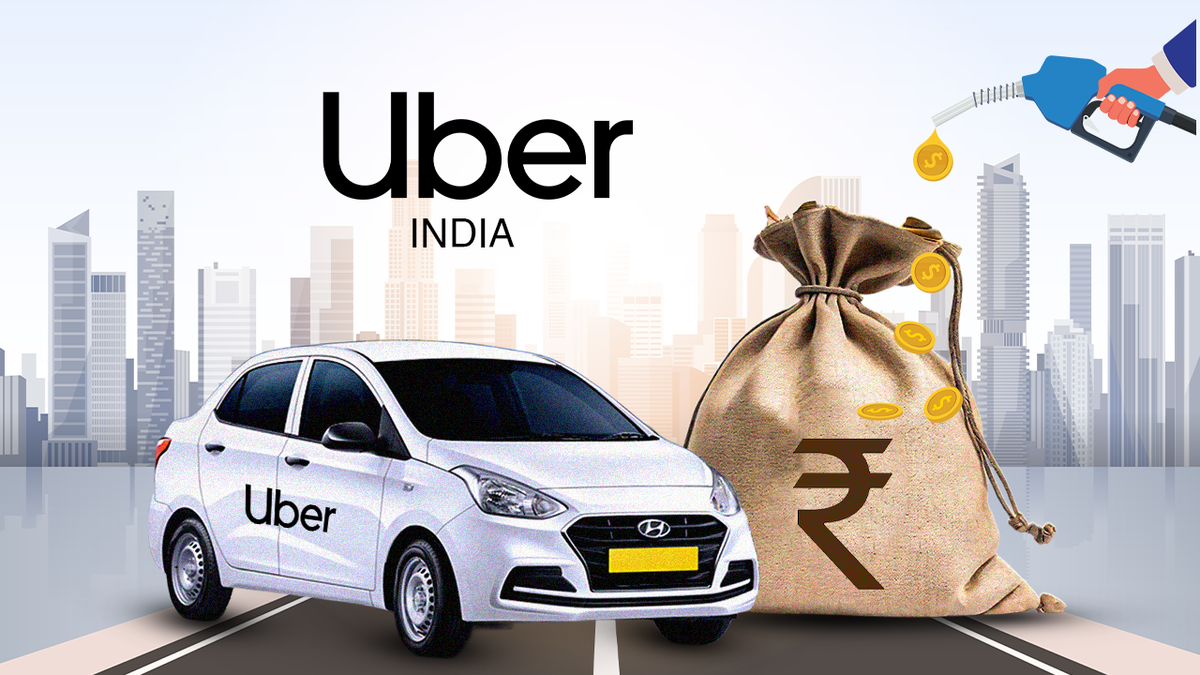
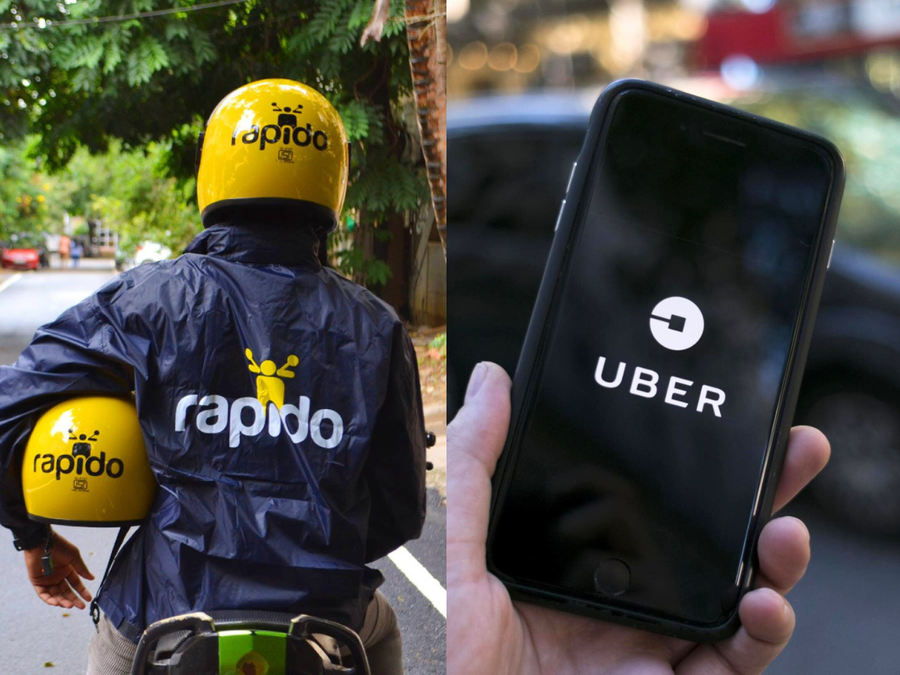
Uber has infused nearly Rs 3,000 crore (around $330 million) into its Indian subsidiary, Uber India Systems Pvt Ltd, amid intense competition in the ride-hailing market, as Rapido expanded its market share rapidly. The board of Uber India allotted 14.4 million equity shares at an issue price of Rs 2,022.85 each to raise Rs 2,921 crore, according to its filing with the Registrar of Companies (RoC). The parent entity of Uber India Systems Pvt Ltd, Uber B.V., invested the above-mentioned amount in two tranches. The first tranche of Rs 200 crore came in November, followed by Rs 2,721 crore in January this year. This much-needed investment came at a time when Uber India Systems Pvt Ltd reported an 89% decline in net revenue from ride-hailing to Rs 88 crore in FY25 from Rs 807 crore in FY24. Interestingly, the sharp decline comes despite the ride-hailing biz's gross revenue (commissions from rides) remaining flat at Rs 2,604 crore during the year. Meanwhile, rival Rapido crossed Rs 1,000 crore in income in FY25 and increased its market share rapidly. The company last raised Rs 125 crore in June 2025 from Nexus Venture Partners. According to media reports, Uber India Systems Pvt Ltd commands around 45% of the four-wheeler ride-hailing market, followed by Ola with a 25โ€“30% share. Rapido, which entered the cab segment in late 2023, has already captured more than 20% of the market. Overall, Rapido has emerged as the largest ride-hailing platform in India in terms of total number of rides, with a 50% market share, followed by Uber at 40%, according to Entrackr sources. The company has a clear lead in the bike and three-wheeler segments, with over 65% market share. Uberโ€™s chief executive officer, Dara Khosrowshahi, also admitted that Rapido is the biggest competitor for the global ride-hailing giant.

Related News

Rapido joins Rs 1,000 Cr income club in FY25, delivery biz outpaces ride-hailing

EntrackrEntrackr ยท 1m ago
Rapido joins Rs 1,000 Cr income club in FY25, delivery biz outpaces ride-hailing
Medial

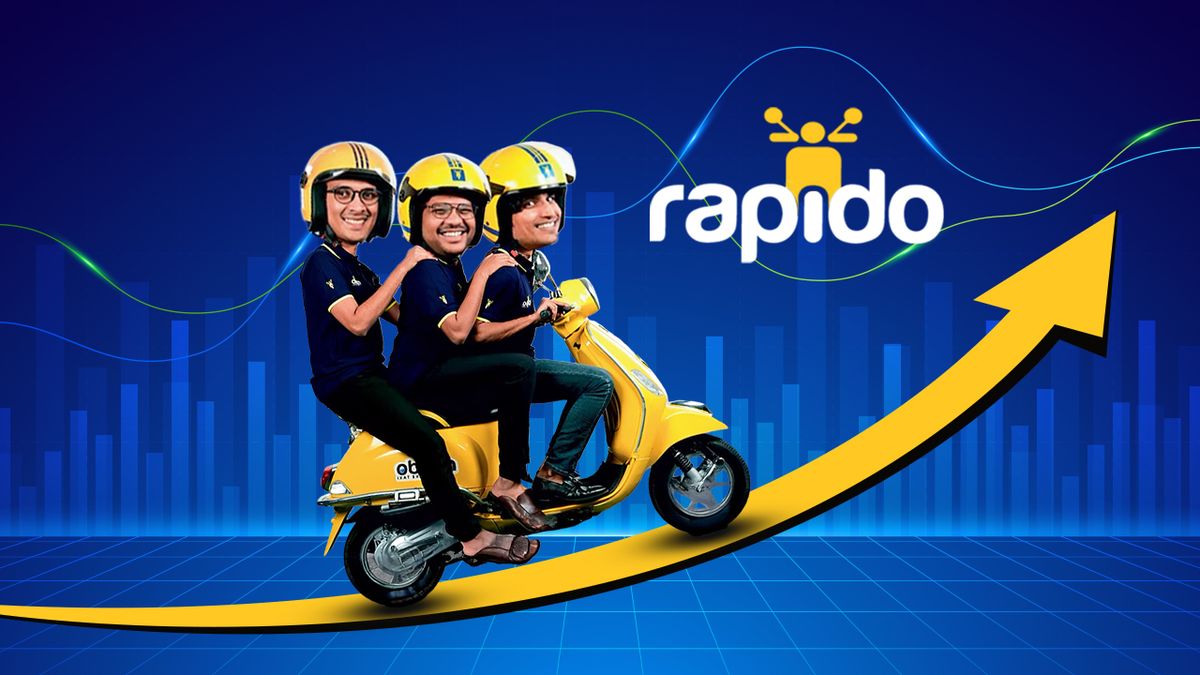
Fintrackr All Stories Rapido joins Rs 1,000 Cr income club in FY25, delivery biz outpaces ride-hailing Rapidoโ€™s revenue from operations increased to Rs 934 crore in FY25 from Rs 648 crore in FY24, according to its consolidated financial statements sourced from the Registrar of Companies. Mobility firm Rapido has remained in the spotlight over the past year after delivering handsome returns to TVS, Swiggy, Prosus, Accel, and other early backers. It also drew wider attention after Uber CEO Dara Khosrowshahi publicly acknowledged it as a bigger rival. Meanwhile, during the fiscal year ended March 2025, Rapido reported a 44% year-on-year growth in revenue while managing to narrow its losses. Rapidoโ€™s revenue from operations increased to Rs 934 crore in FY25 from Rs 648 crore in FY24, according to its consolidated financial statements sourced from the Registrar of Companies. Rapido primarily earns money by charging a commission on rides completed on its platform across two, three, and four-wheelers. This platform-led income accounted for 29% of the companyโ€™s total revenue in FY25 but declined 23.5% year-on-year to Rs 277 crore. At the same time, Rapidoโ€™s delivery business, where customers pay the company to move food and parcels through its captains, continued to gain traction. Revenue from delivery services increased by 28.3% to Rs 340 crore during the year, making it the companyโ€™s largest single revenue stream. It is worth noting that passenger revenue was the firmโ€™s largest component in FY24, but it was overtaken by the delivery business in FY25. Subscription income, collected from captains and users who pay for ride passes and platform benefits, emerged as a key growth driver, surging nearly 14X to Rs 275 crore. Meanwhile, income from passenger transportation services, where Rapido directly operates vehicles, stood at Rs 21 crore. Revenue, largely from sponsored listings on the app, came in at Rs 16 crore, while other operating income, mainly parking fees recovered from drivers, stood at Rs 5 crore. The company also earned Rs 69 crore from interest on investments, taking its total income to Rs 1,003 crore in FY25 from Rs 579 crore in FY24. On the cost front, delivery charges and incentives paid to captains remained the largest expense, accounting for 40% of the overall costs. This expense increased by 8.7% to Rs 500 crore in FY25. Employee benefit cost also rose 20% year-on-year to Rs 207 crore during the period. Rapido spent Rs 252 crore on advertising and promotion, while research and development expenses stood at Rs 108 crore in FY25. Rent, legal, professional, and other overheads pushed the companyโ€™s total expenses to Rs 1,261 crore in FY25, up from Rs 1,066 crore in FY24. The strong revenue growth helped Rapido reduce its net loss by 30.5% to Rs 258 crore in FY25, compared to Rs 371 crore in FY24. Its ROCE and EBITDA margins also improved to negative 13.58% and negative 19.59%, respectively. On a unit economics basis, Rapido spent Rs 1.35 to earn a rupee of operating revenue. According to startup data intelligence platform TheKredible, Rapido has raised over $550 million to date, including its $200 million unicorn round led by WestBridge. The company has also completed multiple secondary transactions over the past year. The revenue break up for Rapido is a good indicator of just where friction is highest in the business. While the goods delivery business offers high growth, potential and margins, the passenger side of the business remains a challenge, and getting more so every day with the Bharat taxi app launch now. We believe the Rapido business could look more and more like the successful business model by Porter unless the government allows these firms more leeway to operate without any fear of action at state or central level from ever-changing regulations and action on the passenger side. The firmโ€™s two-wheeler rides in particular have opened up a new market, and it has forced changes in the rules governing the market like a leader should, strengthening its position as the firm to challenge now, from a challenger just two years back. So will it be a further shift towards last-mile goods transportation or a renewed push into the passenger side business? Your guess is as good as ours, as we track the company for future shifts.

Download the medial app to read full posts, comements and news.