News on Medial

Related News

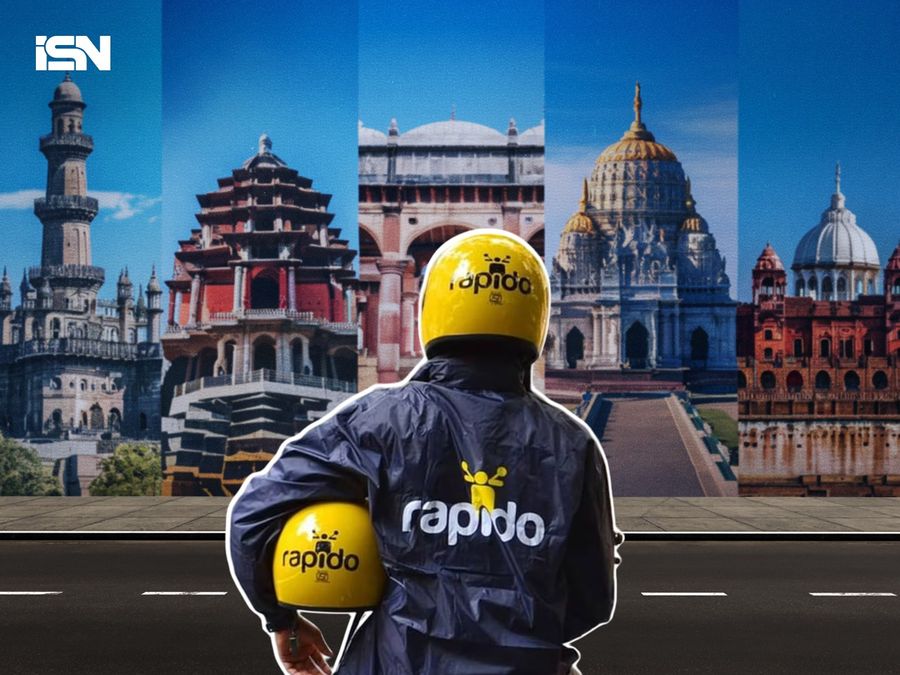
Rapido joins Rs 1,000 Cr income club in FY25, delivery biz outpaces ride-hailing

EntrackrEntrackr · 1m ago
Rapido joins Rs 1,000 Cr income club in FY25, delivery biz outpaces ride-hailing
Medial

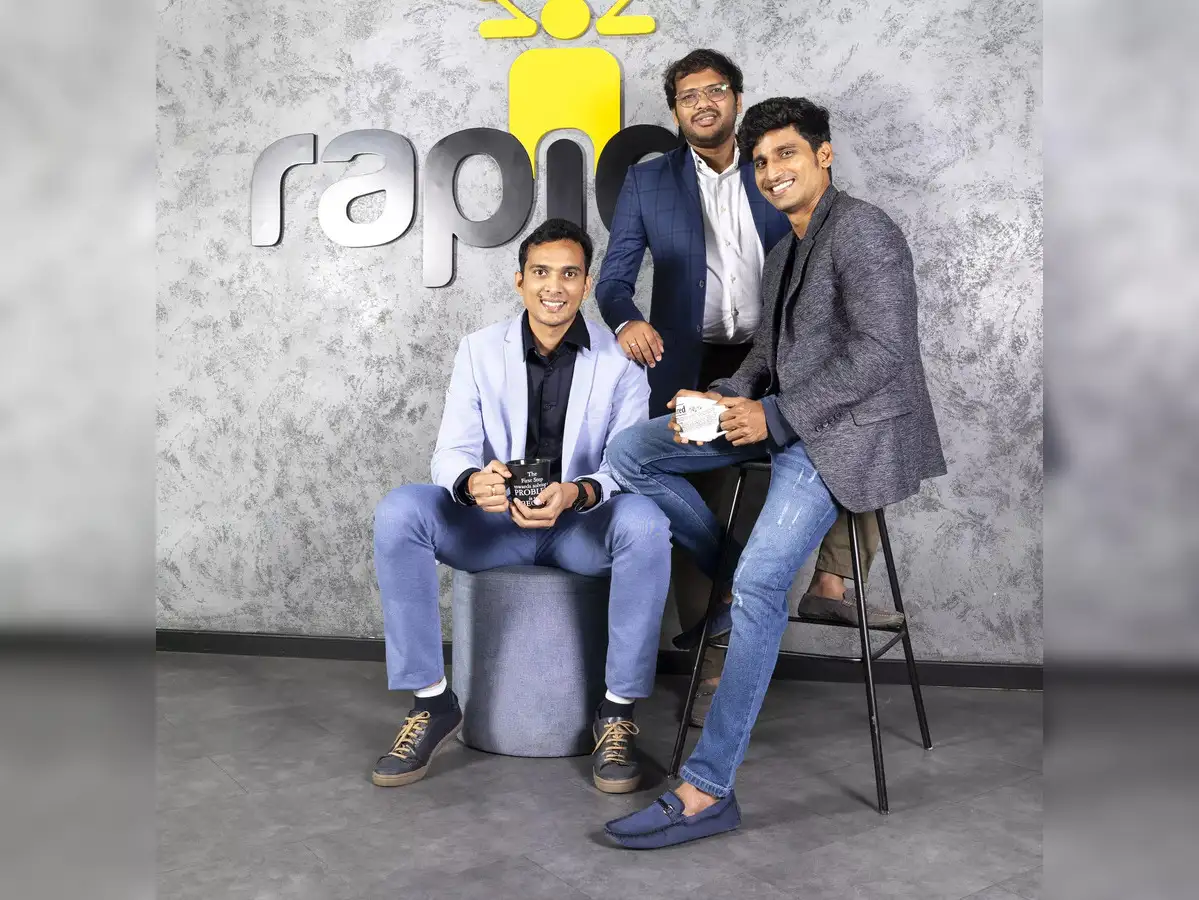
Fintrackr All Stories Rapido joins Rs 1,000 Cr income club in FY25, delivery biz outpaces ride-hailing Rapido’s revenue from operations increased to Rs 934 crore in FY25 from Rs 648 crore in FY24, according to its consolidated financial statements sourced from the Registrar of Companies. Mobility firm Rapido has remained in the spotlight over the past year after delivering handsome returns to TVS, Swiggy, Prosus, Accel, and other early backers. It also drew wider attention after Uber CEO Dara Khosrowshahi publicly acknowledged it as a bigger rival. Meanwhile, during the fiscal year ended March 2025, Rapido reported a 44% year-on-year growth in revenue while managing to narrow its losses. Rapido’s revenue from operations increased to Rs 934 crore in FY25 from Rs 648 crore in FY24, according to its consolidated financial statements sourced from the Registrar of Companies. Rapido primarily earns money by charging a commission on rides completed on its platform across two, three, and four-wheelers. This platform-led income accounted for 29% of the company’s total revenue in FY25 but declined 23.5% year-on-year to Rs 277 crore. At the same time, Rapido’s delivery business, where customers pay the company to move food and parcels through its captains, continued to gain traction. Revenue from delivery services increased by 28.3% to Rs 340 crore during the year, making it the company’s largest single revenue stream. It is worth noting that passenger revenue was the firm’s largest component in FY24, but it was overtaken by the delivery business in FY25. Subscription income, collected from captains and users who pay for ride passes and platform benefits, emerged as a key growth driver, surging nearly 14X to Rs 275 crore. Meanwhile, income from passenger transportation services, where Rapido directly operates vehicles, stood at Rs 21 crore. Revenue, largely from sponsored listings on the app, came in at Rs 16 crore, while other operating income, mainly parking fees recovered from drivers, stood at Rs 5 crore. The company also earned Rs 69 crore from interest on investments, taking its total income to Rs 1,003 crore in FY25 from Rs 579 crore in FY24. On the cost front, delivery charges and incentives paid to captains remained the largest expense, accounting for 40% of the overall costs. This expense increased by 8.7% to Rs 500 crore in FY25. Employee benefit cost also rose 20% year-on-year to Rs 207 crore during the period. Rapido spent Rs 252 crore on advertising and promotion, while research and development expenses stood at Rs 108 crore in FY25. Rent, legal, professional, and other overheads pushed the company’s total expenses to Rs 1,261 crore in FY25, up from Rs 1,066 crore in FY24. The strong revenue growth helped Rapido reduce its net loss by 30.5% to Rs 258 crore in FY25, compared to Rs 371 crore in FY24. Its ROCE and EBITDA margins also improved to negative 13.58% and negative 19.59%, respectively. On a unit economics basis, Rapido spent Rs 1.35 to earn a rupee of operating revenue. According to startup data intelligence platform TheKredible, Rapido has raised over $550 million to date, including its $200 million unicorn round led by WestBridge. The company has also completed multiple secondary transactions over the past year. The revenue break up for Rapido is a good indicator of just where friction is highest in the business. While the goods delivery business offers high growth, potential and margins, the passenger side of the business remains a challenge, and getting more so every day with the Bharat taxi app launch now. We believe the Rapido business could look more and more like the successful business model by Porter unless the government allows these firms more leeway to operate without any fear of action at state or central level from ever-changing regulations and action on the passenger side. The firm’s two-wheeler rides in particular have opened up a new market, and it has forced changes in the rules governing the market like a leader should, strengthening its position as the firm to challenge now, from a challenger just two years back. So will it be a further shift towards last-mile goods transportation or a renewed push into the passenger side business? Your guess is as good as ours, as we track the company for future shifts.

FirstCry-parent posts Rs 2,172 Cr revenue in Q3 FY25, cuts losses by 70%

EntrackrEntrackr · 1y ago
FirstCry-parent posts Rs 2,172 Cr revenue in Q3 FY25, cuts losses by 70%
Medial

FirstCry-parent posts Rs 2,172 Cr revenue in Q3 FY25, cuts losses by 70% Brainbees Solutions, the parent company of kids-focused omnichannel retailer FirstCry, has released its Q3 FY25 today. The report highlights sound financial growth, with a 14.3% year-on-year growth in scale and controlled losses by 70%. FirstCry's revenue from operations grew to Rs 2,172 crore in Q3 FY25 from Rs 1,900 crore in Q3 FY24, its unaudited financial statements sourced from the National Stock Exchange (NSE) show. The sale of its products through offline stores and websites in India and the international market was the primary source of revenue, accounting for nearly 82% of total operating revenue, while its subsidiary, GlobalBees, contributed Rs 422 crore. The company also made Rs 44 crore from interest income which took its overall revenue to Rs 2,217 crore in Q3 FY25, compared to Rs 1,936 crore in Q3 FY24. For the omnichannel retailer, the cost of procurement of materials accounted for 66% of the overall expenditure which increased 17% year-on-year to Rs 1,451 crore in Q3 FY25 from Rs 1,239 crore in Q3 FY24. FirstCry’s employee benefits stood at Rs 177 crore in Q3 FY25 which includes Rs 28 crore as ESOP cost. The marketing, legal, rent, and technology were other overheads that pushed the overall expenditure to Rs 2,210 crore in Q3 FY25 from Rs 1,978 crore in Q3 FY24. The decent scale and controlled expenditure helped FirstCry to reduce its losses by 70% to Rs 15 crore in the last quarter. Notably, the company reported a positive EBITDA of Rs 152 crore. As of the last trading session, FirstCry’s share price stood at Rs 419 per share, with a total market capitalization of Rs 21,753.8 crore (approximately $2.5 billion).

Oziva revenue grows 2.5X in FY25; cuts losses by 90%

EntrackrEntrackr · 5m ago
Oziva revenue grows 2.5X in FY25; cuts losses by 90%
Medial

After reporting flat growth in FY24, HUL-acquired nutrition and wellness brand Oziva recorded a 2.5X increase in operating revenue. The company also narrowed its losses by 90%, even as expenses rose 75% on account of higher advertising and material costs. Oziva’s revenue from operations jumped 148% to Rs 258 crore in FY25 from Rs 104 crore in FY24, according to its consolidated financial statements sourced from the Registrar of Companies (RoC). The firm generates revenue from nutrition and wellness products across categories such as plant-based supplements, protein, and vitamins. These products contributed 99% of its revenue, with the Indian market being the sole revenue source for Oziva. On the expense front, advertising remained the single largest cost element, ballooning 94% to Rs 120 crore in FY25 from Rs 62 crore in FY24. Cost of material consumed rose 58% to Rs 71 crore, while employee benefit expenses grew 44% to Rs 23 crore. Transportation cost more than doubled to Rs 24 crore, whereas finance cost remained flat at Rs 1.2 crore. Overall, Oziva’s total expenses rose 75% to Rs 267 crore in FY25 from Rs 153 crore in FY24. With revenue outpacing expense growth, the company slashed its losses by 90% to Rs 4.5 crore in FY25 from Rs 43.5 crore in FY24. Its ROCE and EBITDA margin stood at -7.50% and -1.21%, respectively. On a unit level, Oziva spent Rs 1.04 to earn a rupee in the last fiscal year. As of March 2025, the Mumbai-based company recorded current assets worth Rs 104 crore including Rs 27 crore in cash and bank balances. In December 2022, HUL acquired a 51% stake in OZiva with the first tranche at a cash consideration of Rs 264.28 crore. The company will acquire the remaining 49% stake after the expiry of three years from the completion of the first tranche. According to TheKredible, the company’s co-founders Aarti Gill and Mihir Gadani together own 36.22% of the company.

Infibeam posts Rs 1,160 Cr revenue in Q4 FY25; profit rises 20%

EntrackrEntrackr · 9m ago
Infibeam posts Rs 1,160 Cr revenue in Q4 FY25; profit rises 20%
Medial

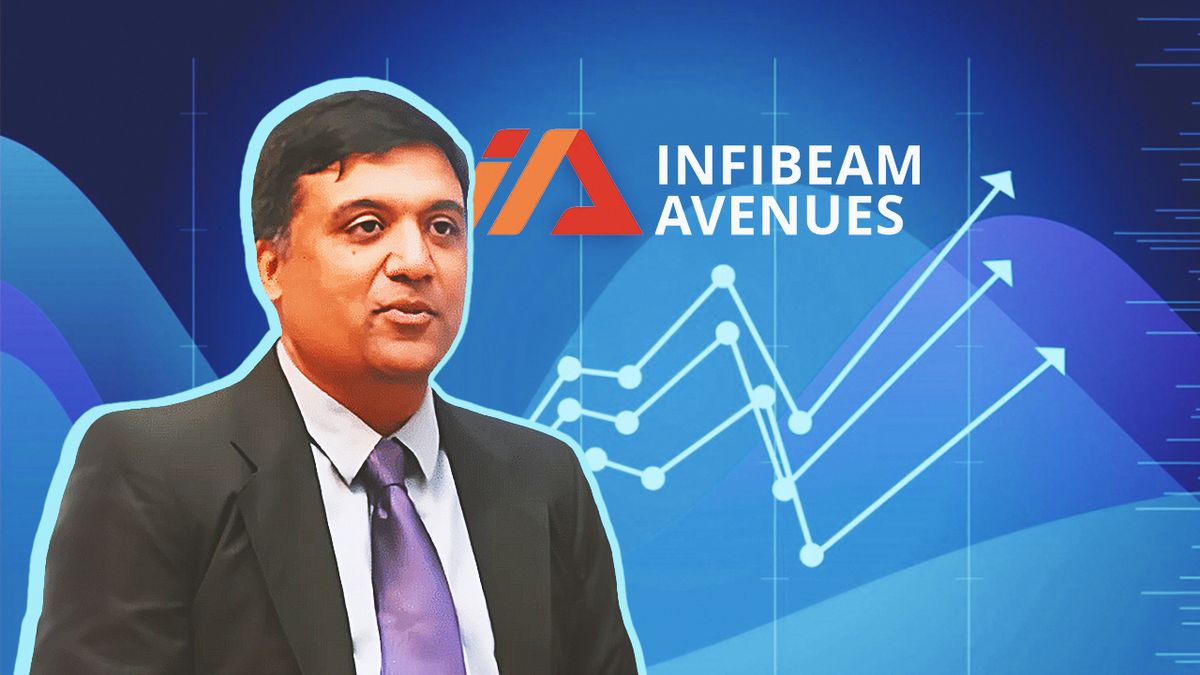
Infibeam posts Rs 1,160 Cr revenue in Q4 FY25; profit rises 20% Digital payments firm Infibeam has reported a 62% increase in revenue during the fourth quarter of the last fiscal year (Q4 FY25), while its year-on-year profit rose by 20%. Infibeam’s revenue from operations increased to Rs 1,160 crore in Q4 FY25 from Rs 716 crore in Q4 FY24, its consolidated financial statements accessed from the National Stock Exchange (NSE) show. For the full fiscal year (FY25), Infibeam’s operating revenue increased 27% to Rs 3,992 crore in FY25 from Rs 3,150 crore in FY24. Payment business accounted for 95% of its total collection which increased by 64% to Rs 1,098 crore in Q4 FY25. Meanwhile, there was a 35% increase in the e-commerce platform business, which rose to Rs 62 crore. The Ahmedabad-based firm recorded a total revenue of 1,180 crore in Q4 FY25. For the full fiscal year (FY25), its total income stood at Rs 4,066 crore. Infibeam operates a diversified digital platform, with a primary focus on digital payments and e-commerce solutions. On the cost side, the company’s total expenses rose by 66% to Rs 1,104 crore in Q4 FY25. For the digital payment firm, its payment processing was the largest cost center, rising by 68% to Rs 1,025 crore. Employee benefits increased by 30% to Rs 39 crore, while depreciation cost grew 6% to Rs 18 crore. Infibeam Avenues also incurred Rs 22 crore on other undisclosed expenses in the said quarter. For the fiscal year ending March 2025, the firm’s total expenses increased to Rs 3,768 crore. In the end, the company reported profit after tax of Rs 55 crore in Q4 FY25, 20% up from Rs 46 crore in Q4 FY24. On a fiscal year basis, its profit increased to Rs 236 crore in FY25 from Rs 156 crore in FY24. At 15:31 PM today, its market cap stood at Rs 5,579 crore while the firm’s stock was trading at Rs 20.

BlissClub posts Rs 130 Cr revenue in FY25; cuts losses by 55%

EntrackrEntrackr · 7d ago
BlissClub posts Rs 130 Cr revenue in FY25; cuts losses by 55%
Medial

BlissClub posts Rs 130 Cr revenue in FY25; cuts losses by 55% BlissClub has recorded strong growth in FY25, with its revenue from operations surpassing the Rs 130 crore threshold. The firm has also reduced its losses by more than half during the period after a notable cut in employee costs. BlissClub’s revenue from operations grew 51% to Rs 131.5 crore in FY25 from Rs 87 crore in FY24, according to its financial statements filed with the Registrar of Companies (RoC). The company specializes in women’s activewear, accessories, and lifestyle products, and the sale of these items remained its sole source of operating revenue. BlissClub also recorded Rs 3.5 crore in non-operating income, taking its total income to Rs 135 crore in FY25. On the cost side, the cost of materials remained the largest expense, rising 38% to Rs 62 crore in FY25 from Rs 45 crore in FY24. Other expenses increased 31% to Rs 29.5 crore, while transportation costs more than doubled to Rs 16 crore during the year. In contrast, employee benefit expenses declined 42% to Rs 18 crore in FY25 from Rs 31 crore in FY24, while legal charges stood at Rs 5 crore during the period. Overall, the company’s total expenses increased 14% to Rs 155.5 crore in FY25 from Rs 136 crore in FY24. As revenue growth outpaced the rise in expenses, BlissClub managed to cut its losses by 54.5% to Rs 20 crore in FY25 from Rs 44 crore in FY24. Its ROCE and EBITDA margins stood at -44.57% and -15.09%, respectively. On a unit basis, the company spent Rs 1.18 to earn a rupee during the fiscal year. BlissClub recorded cash and bank balances of Rs 39 crore in FY25, while its current assets stood at Rs 75 crore. BlissClub has raised around $21.6 million in funding to date, with Elevation Capital as its lead investor. The company competes with brands such as Kica Active, SilverTraq, Cultsport, Cava Athleisure, HRX, Spirit Animal, Playfiks, and Decathlon’s Domyos. BlissClub operates in India’s activewear market alongside brands such as HRX, Decathlon Domyos, and Cultsport. While several players compete across categories, BlissClub has focused on women’s activewear and built its presence through D2C channels and product-led positioning. The company has emerged as one of the faster-growing brands in the segment, with revenue rising over 8X from Rs 15 crore in FY22 to Rs 130 crore in FY25, while maintaining control over expenses. With tighter cost control in FY25, the firm could move closer to breakeven in FY26 if it continues to prioritize disciplined growth over aggressive expansion.

Download the medial app to read full posts, comements and news.