News on Medial

Related News

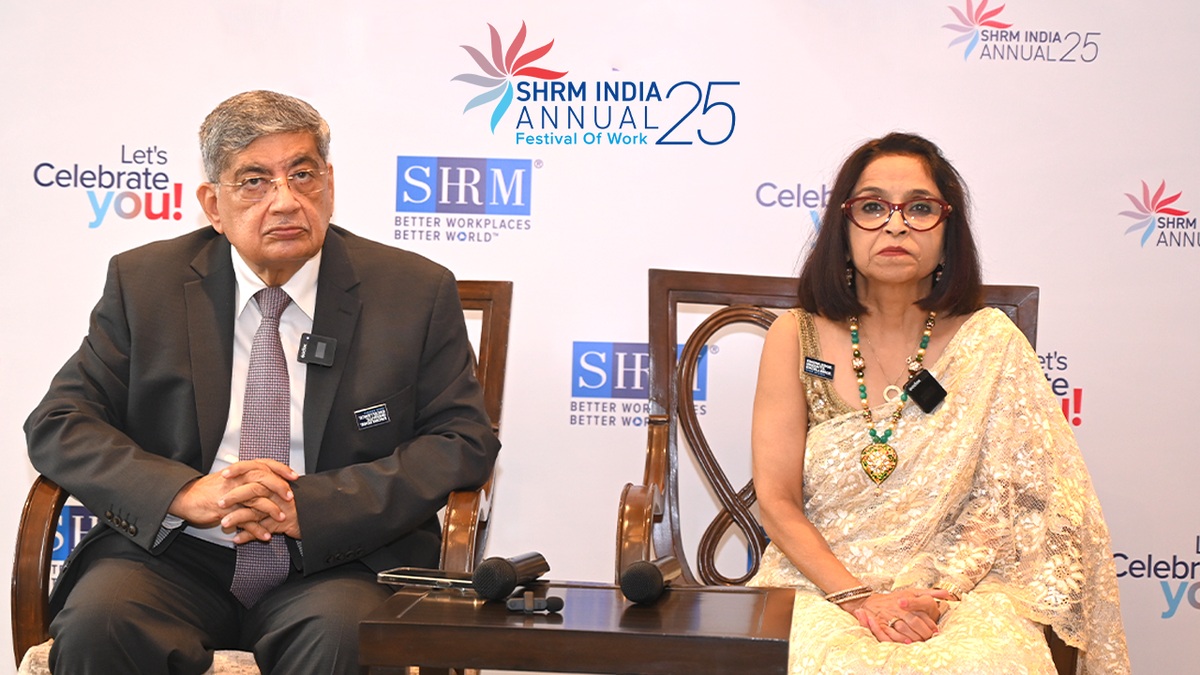
SHRM India partners with Google Cloud and Quantiphi on agentic AI

EntrackrEntrackr · 1m ago
SHRM India partners with Google Cloud and Quantiphi on agentic AI
Medial

SHRM India has released its research report, "Driving Enterprise Productivity with Agentic AI," created in collaboration with Google Cloud and Quantiphi. The report was announced at the SHRM India Annual Conference and Expo 2025, The Festival of Work, held at the Taj Palace in New Delhi. Marking two decades of SHRM India, the conference brought together more than 4,500 HR professionals, 150 speakers, and 70 sessions focused on work, leadership, and workforce trends. Based on inputs from 58 HR leaders across 14 industries and interviews with CHROs from 11 organizations including Flipkart, Mahindra and Mahindra, and Larsen and Toubro, the study outlines how Indian enterprises can plan for and adopt agentic AI in their operations. Findings show that while 79% of CHROs consider agentic AI adoption an urgent priority, only half believe their organizations are ready to implement it. This readiness gap highlights the need for focused strategies around upskilling, governance, and organizational alignment. To help bridge this gap, the research outlines practical steps such as creating pockets of excellence, building a strong data foundation, investing in AI literacy, and embedding ethical frameworks. Achal Khanna, CEO of SHRM APAC and MENA, said, “The Festival of Work is a celebration of people, purpose, and possibilities. This research equips HR leaders with the insights and tools to harness AI responsibly and strategically, redefining the future of work in India and beyond.” SHRM India aims to empower organizations to advance HR practices and maximize human potential. As the India arm of the world’s largest HR association, it combines global standards with local insight through consulting, corporate training, professional certification, and flagship events such as the SHRM India Annual Conference and Expo and the SHRM TECH Conference and Expo.

Change Engine accelerator program to invest $5 Mn in early-stage AI startups

EntrackrEntrackr · 9m ago
Change Engine accelerator program to invest $5 Mn in early-stage AI startups
Medial

Change Engine accelerator program to invest $5 Mn in early-stage AI startups Startup accelerator Change Engine has announced its plan to invest over $5 million over the next five years in early-stage AI startups from India. The initiative is focused on nurturing 6 high-potential AI startups annually, driving innovation in machine learning stack technologies and business applications that serve global markets. According to Change Engine, it aims to build second-generation AI products from India—solutions that go beyond superficial implementations to deliver robust, scalable, and tailor-made innovations. Its 6-month program provides startups with a state-of-the-art sandbox environment, comprehensive support in product development, and a global mentor network. Each year, it will seed 6 startups with $50K each, followed by up to $150K through syndication, paving the way for over $5M in total investment over the next three years. Change Engine claims to have built the AI ecosystem in Delhi NCR, hosting events such as the AI Product Bootcamp at IIT Delhi where over 40 AI enthusiasts received hands-on training from industry veterans at companies like Google, Meta, and Amazon. Previously, it has also done work around understanding the AI research work done by India vis-à-vis other countries. Change engine states that its previous cohorts have achieved significant milestones - Sonic Lambs featured on Shark Tank Season 4 and secured Rs 50L in funding, while CallPrep was spotlighted in Nikhil Kamath’s WTFund list. A feature of the Change Engine accelerator is their Customer Advisory Board, which brings together industry leaders from top US organizations—including Amazon, Google, McKinsey, and Adobe—to provide real-world insights, validate ideas, and refine go-to-market strategies. Gurugram-based Change Engine is a startup accelerator dedicated to building a vibrant AI ecosystem in India. By supporting early-stage startups with capital, mentorship, and strategic industry networks, Change Engine aims to drive innovation and position India as a global leader in AI.

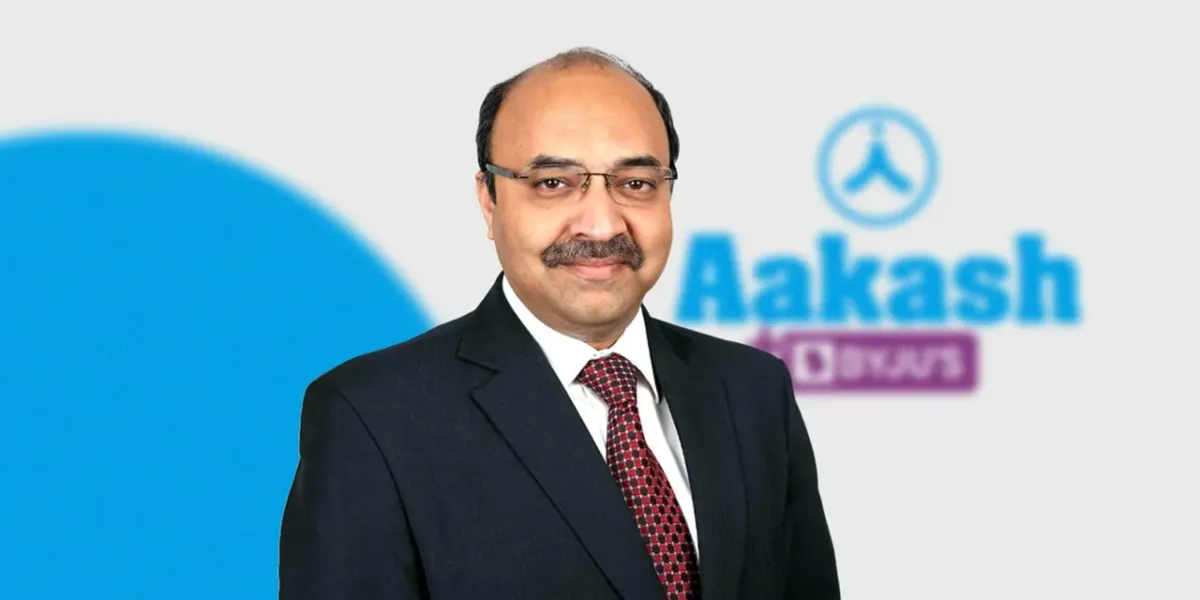
Aakash CEO and MD Deepak Mahrotra stepping down

EntrackrEntrackr · 4m ago
Aakash CEO and MD Deepak Mahrotra stepping down
Medial

Deepak Mehrotra, the Managing Director and CEO of Aakash Educational Services Limited, is resigning from his position, sources aware of the development told Entrackr. Mehrotra’s exit comes 16 months after he was appointed in April 2024. According to sources, Mehrotra has submitted his resignation and is serving his notice period. While there is no official statement from Mehrotra, his recent LinkedIn post said, “Each of the last 481 days of the rebuild journey has extracted every ounce of my energy every day but has been gratifying. I traveled extensively, meeting employees from almost 70 branches to understand their aspirations and build trust. We've focused on reinforcing belief and confidence in leadership, crafting new business models, and accelerating technology adoption." Mehrotra joined Aakash with a mandate to steer the company through its Aakash 2.0 strategy, which focuses on business model transformation, role consolidation, and aggressive talent hiring. The company also went through layoffs in September, letting go of 80 to 100 employees, which was the first major round of job cuts since Byju’s acquired the company for nearly $1 billion in 2021. Last year, Entrackr exclusively reported that Mehrotra would receive an annual salary of Rs 5 crore starting from the last fiscal year (FY25). Aakash also allotted employee stock ownership plan (ESOPs) worth Rs 25 crore to Mehrotra, which can vest equally over four years starting from April 2025. This leadership change surfaces amid ongoing tussle within AESL, where the founding Chaudhry family has resisted full integration. In March last year, both companies withdrew their merger petition to operate independently under the Think and Learn brand. Aakash has yet to file its annual report for FY24 and FY25.

Drone tech startup Enercomp raises Rs 2 Cr in bridge round

EntrackrEntrackr · 5m ago
Drone tech startup Enercomp raises Rs 2 Cr in bridge round
Medial

Drone tech startup Enercomp raises Rs 2 Cr in bridge round Drone tech startup Enercomp Solutions has raised Rs 2 crore in a bridge round led by angel investors. The round was advised and facilitated by Bestvantage Investments, a boutique investment advisory firm that connects high-growth startups with strategic capital across India and the Middle East. The proceeds will be used to expand manufacturing, scale R&D for AI-powered drone software, and build delivery capacity for large-scale national deployments. Enercomp’s roadmap includes an Rs 8 crore strategic investment plan over the next year to strengthen its IP, product stack, and execution capabilities. Founded in Ahmedabad, Enercomp operates at the intersection of hardware, software, and services. Its integrated offerings span indigenous drone manufacturing, Drone-as-a-Service (DaaS), and a proprietary GIS analytics platform. The firm claims to have developed seven proprietary drone models, including VTOL, fixed-wing, and surveillance variants, which are actively deployed in commercial and government projects. With 70% of revenue driven by product sales, Enercomp counts Tata Projects, Reliance, Mahindra Susten, L&T, and several government agencies among its clients. Its software dashboard is used for real-time, mission-critical data analysis by enterprise and public sector clients. Enercomp claims that it grew from Rs 3.1 crore in FY23 to Rs 5.6 crore in FY24, maintaining profitability. As per the company, it has already logged Rs 4.2 crore in revenue in FY25, with an active order book of over Rs 9 crore. To date, the startup has raised Rs 6.9 crore across previous rounds and seen its valuation jump from Rs 12.5 crore to Rs 60 crore, with the founding team retaining over 80.5% equity, including a 4% ESOP pool.

XOBOX aims to tackle residential last-mile delivery hurdles

EntrackrEntrackr · 1y ago
XOBOX aims to tackle residential last-mile delivery hurdles
Medial

Last-mile delivery hasn’t been perfect. Not that the likes of Dunzos of this world haven’t tried to address this. Recently, we saw Zomato experimenting with last-mile delivery through a unique concept of ‘walkers’ for corporate parks. Bengaluru-based XOBOX is one of the few startups that is trying to fix the last-mile delivery challenges especially for people living in urban areas. The company handles packages for residents in apartment complexes. Some of the features are securing the packages in smart lockers and dropping them to customers’ doorstep when they are back to their homes, and home delivery of essential items. We spoke to XOBOX founder and CEO Kiran Shivappa about his startup, what distinguishes it from the competition and the roadmap ahead. Here are the edited excerpts: How did you come up with this idea? I live in an apartment complex and even before the Covid deliveries were left scattered in front of the door and stray cats use to destroy especially milk packet which cause everyone to talk about it hours in community Whatsapp group, this made me think to find/adopt a solution to secure the deliveries when residents not able to receive it or may be they are not around. How does the platform work? Please help simplify the process. When we started the service, we started taking the request from residents to handle their packages and we coordinated with delivery guys to take the package, pay them if it is a COD [Cash on Delivery], and secure them in the locker until they come back, then we deliver it to their doorstep. We went one step ahead and made a contract with 3PL [Third-party logistics] and ecommerce companies to take every delivery coming to the society and our dedicated resources would hand them over to the residents, if the resident is not available then secure the package in the locker and hand it over once they come back. What are the key challenges in the industry that have not been addressed yet? And how do you plan to address them? Ecommerce companies have tried many solutions to optimize the last leg of the delivery process and achieved the Kirana model also, but they never got a chance to be inside the society exclusively and take care of the deliveries and achieve the customer delight to bring the most convenience to them in their package receiving time. We have dedicated resources inside each society to carefully handle the package and interact with residents and elderly people and become familiar to them so they feel comfortable to receive us at the doorstep at any time and feel secured as well. Industry major players tried to introduce the lockers but these lockers operate as a complete unmanned and fully automated, for this reason the adaptation was a big challenge and education was also a challenge. We adopted a 70/30 model where, way the lockers were built, operated and how people would feel easy to adopt this because the “30” percentage is the resources we introduced along with “70” percentage technology, our dedicated resource will work with all stake holders in the gated community to educate and make every one understand how to use the service. What are your short-term and long term goals in terms of product and business expansion and diversification? In the short term, we are looking to expand the service to 35 more gated communities in Bengaluru in 2nd and 3rd quarters of 2024 and then go to other cities. As far as long-term plans go, we are going to sign contracts with major ecommerce and 3PL companies to increase the volume in each society and serve the needs of elderly population in the community. We would want to reach 700-1000 gated communities and generate 150-180 cr annually.

RockClimber banks on authenticity and quality to tap into India’s beverage market

EntrackrEntrackr · 1y ago
RockClimber banks on authenticity and quality to tap into India’s beverage market
Medial

India has a massive beverage market with many established brands, though several new players, such as Bira, have also made their mark. Considering the sheer size of the market, it’s safe to say that there’s ample scope for newcomers. One such new player is RockClimber. The company creates fruit beverages and fruit spirits designed specifically for India, made from locally grown fruits like jamun, grapes, pomegranate, kiwi, mulberry, and litchi, among others. One of the company’s objectives is to help reduce fruit wastage and create a sustainable ecosystem for farmers and fruit produce. We spoke to Cofounder Hariprasad Shetty to learn more about RockClimber, what distinguishes it from the competition, and the roadmap ahead. Here are the edited excerpts: The beverage market is filled with multiple brands, including some very established ones. How do you plan to stand out from the competition? As a truly authentic fruit based beverage brand, we are committed to using high quality fruits with an experimentative approach to crafting unique fruit combinations that incorporate global flavour trends. This has allowed us to offer a very diverse range of exciting and refreshing beverages while keeping fruits at the center of everything we do. That’s what makes us stand out from the rest of the competition – we see ourselves as fruit experts and our products are fresh and engage with the evolving consumer preferences. So our focus is on delivering an uncompromising product experience. We source the finest fruits from across the country. This commitment to authenticity and quality sets us apart from many competitors who rely heavily on artificial flavors and preservatives. And the traction we have had in the last three years also points to how we have been accepted in the market. [FY 22 7 Cr, FY 23 7 Cr, FY 24 25 Cr, FY 25 60-70 Cr domestic and 30-35 outside India = 100 Cr+ target] 140 strong distributor network across 11 states. 3 million + bottles of beverages sold. 3000 tons of fruits processed sourced from a farmer base of 200,000 small scale fruit farmers producing grapes, pomegranate, pineapple, jamun, strawberry, mango etc. What is your offline and distribution strategy, usually the key to robust growth in your category? Most of the work should happen before Day Zero – the launch day. We recognized early on that a robust distribution network is the backbone of success in this business. We adopted a systematic approach to build our distribution network from the ground up. Mapping out territories and identifying potential distributors and retailers who could penetrate different markets. We only went ahead with experienced and reputable distributors who had an in-depth understanding of local market dynamics and consumer preferences. What is your strategy for online? Are you considering partnerships with any quick commerce platform? Yes, now that we have a headway in the distribution aspect and have achieved product market fit, we are now going to go aggressive on the marketing front especially online channels. What are the incentives for a farmer dealing with your platform other than the convenience of direct sale and price? Farmers are looking for a stable assured source of income every year. Timely procurement of their fruit produce, immediate payments, reduction in time to sale, and providing access to a large pool of buyers are all the benefits farmers get by working with us. We started with 500 tons of fruit procurement, and now at over 5000 tons. We aim for 10X procurement volumes in the next 2-3 years, thereby contributing to 10 times reduction in fruit loss, and hence a direct positive impact on small scale farmers livelihood and stable income generation. As we expand our facilities, we aim to recruit local talent to be part of our company and thereby directly provide employment opportunities as well. RockClimber aims to: Scale to 10,00,000 farmer base in the next 3 years Platform building for farmer outreach, communication, and forecasting Patented mobile fruit processing system Export unit in select locations for UAE and Africa markets You also mentioned entering the UAE and Africa markets. What is your roadmap for global expansion? And why particularly these two markets? We expect 30-35% revenues coming in from global markets in the near term. Particularly markets like UAE are huge on experimentation as consumers there are well traveled and have an international palette. We see a large market opportunity in the innovative – new age beverage category in this region.

Download the medial app to read full posts, comements and news.