

Back

Rahul Agarwal
Founder | Agentic AI... • 2d
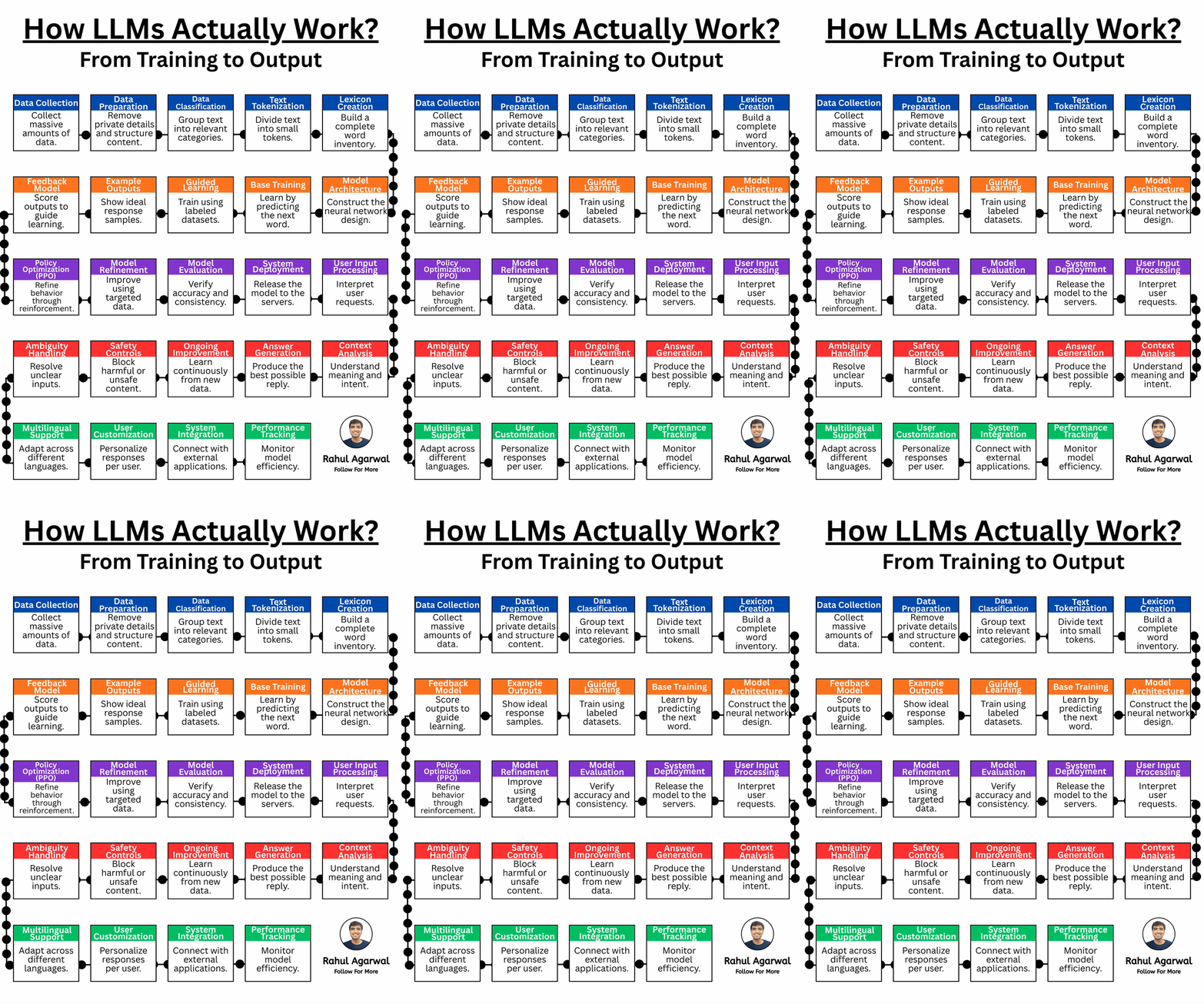
Most people don't even know these basics of LLM's. I've explained it in a simple way below. 1. 𝗗𝗮𝘁𝗮 𝗖𝗼𝗹𝗹𝗲𝗰𝘁𝗶𝗼𝗻 LLMs are trained on massive amounts of text from books, websites, articles, and documents so they can learn how language is used. 2. 𝗗𝗮𝘁𝗮 𝗣𝗿𝗲𝗽𝗮𝗿𝗮𝘁𝗶𝗼𝗻 The collected data is cleaned. Private information is removed, and messy text is structured so the model learns from high-quality content. 3. 𝗗𝗮𝘁𝗮 𝗖𝗹𝗮𝘀𝘀𝗶𝗳𝗶𝗰𝗮𝘁𝗶𝗼𝗻 The text is organized into categories (like news, code, conversations, etc.) to help the model understand different types of language. 4. 𝗧𝗲𝘅𝘁 𝗧𝗼𝗸𝗲𝗻𝗶𝘇𝗮𝘁𝗶𝗼𝗻 Text is broken into small pieces called 𝘁𝗼𝗸𝗲𝗻𝘀 (words or parts of words) that the model can process mathematically. 5. 𝗠𝗼𝗱𝗲𝗹 𝗔𝗿𝗰𝗵𝗶𝘁𝗲𝗰𝘁𝘂𝗿𝗲 Engineers design a neural network (usually a Transformer) that decides how the model reads, remembers, and predicts text. 6. 𝗕𝗮𝘀𝗲 𝗧𝗿𝗮𝗶𝗻𝗶𝗻𝗴 The model learns by repeatedly predicting the 𝗻𝗲𝘅𝘁 𝘄𝗼𝗿𝗱 in a sentence. This helps it understand grammar, facts, and patterns. 7. 𝗚𝘂𝗶𝗱𝗲𝗱 𝗟𝗲𝗮𝗿𝗻𝗶𝗻𝗴 Labeled data is used to teach the model what correct answers look like for specific tasks. 8. 𝗘𝘅𝗮𝗺𝗽𝗹𝗲 𝗢𝘂𝘁𝗽𝘂𝘁𝘀 Human-written examples show the model what good responses should look like. 9. 𝗙𝗲𝗲𝗱𝗯𝗮𝗰𝗸 𝗠𝗼𝗱𝗲𝗹 A reward or feedback system scores responses, helping the model learn which outputs are better. 10. 𝗣𝗼𝗹𝗶𝗰𝘆 𝗢𝗽𝘁𝗶𝗺𝗶𝘇𝗮𝘁𝗶𝗼𝗻 (𝗣𝗣𝗢) Using reinforcement learning, the model is adjusted to produce better, safer, and more helpful responses. 11. 𝗠𝗼𝗱𝗲𝗹 𝗥𝗲𝗳𝗶𝗻𝗲𝗺𝗲𝗻𝘁 The model is further improved using focused datasets for specific skills like reasoning or coding. 12. 𝗠𝗼𝗱𝗲𝗹 𝗘𝘃𝗮𝗹𝘂𝗮𝘁𝗶𝗼𝗻 The model is tested to check accuracy, consistency, and reliability before being released. 13. 𝗦𝘆𝘀𝘁𝗲𝗺 𝗗𝗲𝗽𝗹𝗼𝘆𝗺𝗲𝗻𝘁 The trained model is deployed on servers so users can start interacting with it. 14. 𝗨𝘀𝗲𝗿 𝗜𝗻𝗽𝘂𝘁 𝗣𝗿𝗼𝗰𝗲𝘀𝘀𝗶𝗻𝗴 When a user types a question, the system converts it into tokens the model understands. 15. 𝗖𝗼𝗻𝘁𝗲𝘅𝘁 𝗔𝗻𝗮𝗹𝘆𝘀𝗶𝘀 The model analyzes meaning, intent, and context to understand what the user actually wants. 16. 𝗔𝗻𝘀𝘄𝗲𝗿 𝗚𝗲𝗻𝗲𝗿𝗮𝘁𝗶𝗼𝗻 The model predicts the best possible next words to form a useful and natural response. 17. 𝗦𝗮𝗳𝗲𝘁𝘆 𝗖𝗼𝗻𝘁𝗿𝗼𝗹𝘀 Filters are applied to block harmful, unsafe, or restricted content. 18. 𝗢𝗻𝗴𝗼𝗶𝗻𝗴 𝗜𝗺𝗽𝗿𝗼𝘃𝗲𝗺𝗲𝗻𝘁 The system improves over time using feedback and new data (outside of live conversations). 19. 𝗨𝘀𝗲𝗿 𝗖𝘂𝘀𝘁𝗼𝗺𝗶𝘇𝗮𝘁𝗶𝗼𝗻 Responses can be personalized based on user preferences or behavior. 20. 𝗦𝘆𝘀𝘁𝗲𝗺 𝗜𝗻𝘁𝗲𝗴𝗿𝗮𝘁𝗶𝗼𝗻 The model connects with apps, websites, APIs, or tools to perform real-world tasks. This is useful for anyone who wants to understand the very fundamentals of LLM's and AI. ✅ Repost for others who can benefit from this.
More like this
Recommendations from Medial



Kushal Jain
Founding Software En... • 1y
Excited to share a preview of the AI Prescreening Assistant I’ve been developing! This tool prescreens candidates via calls and has incredible potential in Customer Support, Sales, and Marketing. Demo Video: https://youtu.be/0sWprEl4KnE?si=M1RDm28x
See More









Sameer Patel
Work and keep learni... • 1y
Features of the new GPT- 4o • Multimodal Mastermind: Understands and responds in text, voice, and images. • Supercharged Speed: Responds with GPT-4 level intelligence in milliseconds. • Image Interpreter: Analyzes and discusses pictures you share,
See More























Download the medial app to read full posts, comements and news.