

Back

Rahul Agarwal
Founder | Agentic AI... • 1d
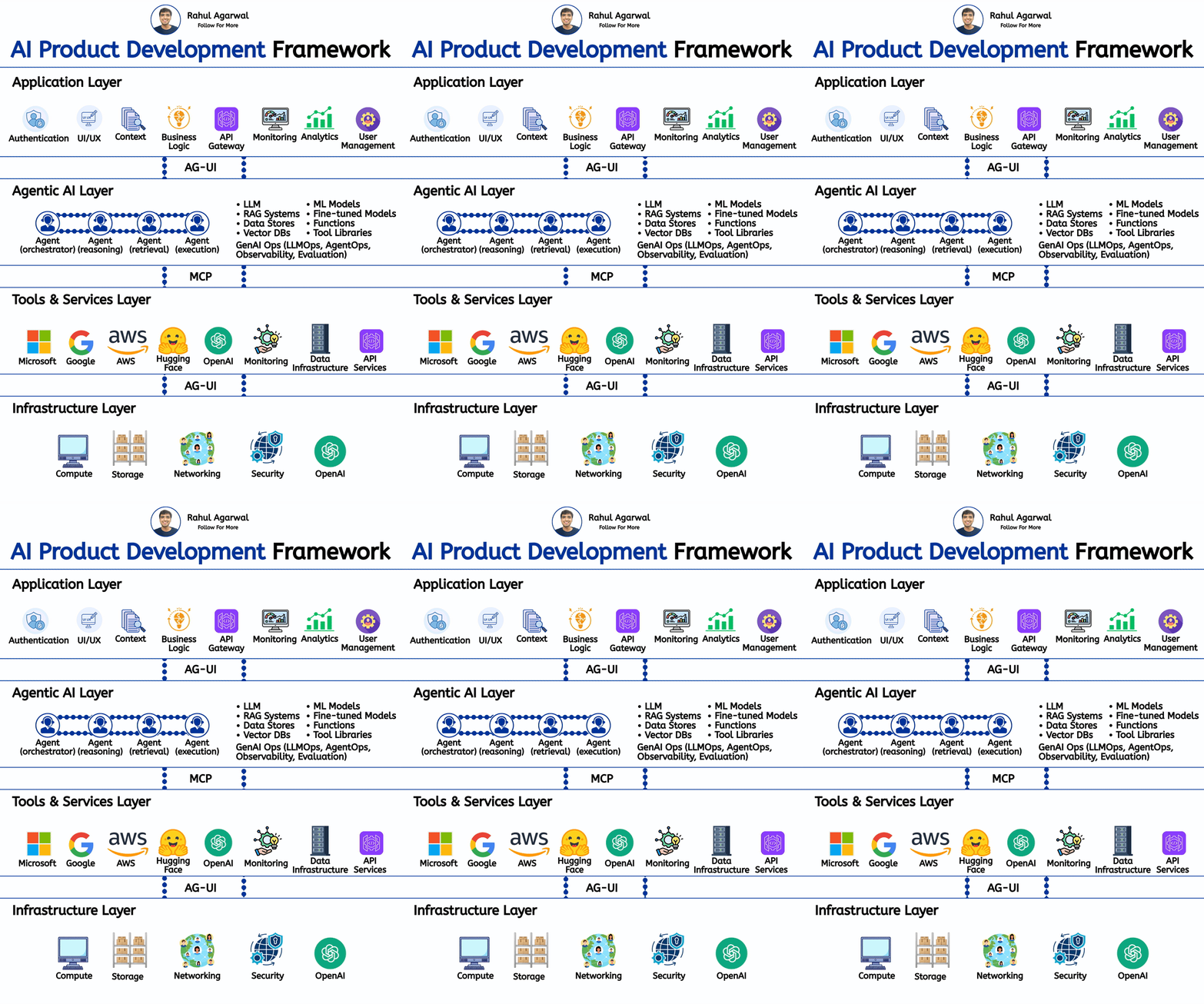
5 Layers of AI Product Development. I've explained each in short, simple steps below. 1. 𝗔𝗽𝗽𝗹𝗶𝗰𝗮𝘁𝗶𝗼𝗻 𝗟𝗮𝘆𝗲𝗿 → Handles everything the user sees and interacts with → Ensures login security and smooth user experience → Stores session context (recent chats, preferences, settings) → Runs business rules (pricing, permissions, feature access) → Uses an API gateway to send/receive data from backend → Tracks app performance through monitoring & analytics → Manages user profiles and account settings 𝗘𝘅𝗮𝗺𝗽𝗹𝗲: Login → Clean UI → Session Context Saved → Pricing Check → API Request → Usage Analytics Logged _______________________________ 2. 𝗔𝗚-𝗨𝗜 & 𝗠𝗖𝗣 (𝗖𝗼𝗻𝗻𝗲𝗰𝘁𝗼𝗿𝘀) → AG-UI acts as the bridge between the app and AI agents → Sends user messages to the agent system → Shows agent responses back in the interface → MCP enables smooth communication across agents and services → Makes sure all components talk reliably and in the right format 𝗘𝘅𝗮𝗺𝗽𝗹𝗲: User Message → AG-UI → MCP Routes Task → Agent Responds → AG-UI Displays Result _______________________________ 3. 𝗔𝗴𝗲𝗻𝘁𝗶𝗰 𝗔𝗜 𝗟𝗮𝘆𝗲𝗿 → Orchestrator agent decides the workflow and assigns tasks → Reasoning agent plans steps and generates structured thinking → Retrieval agent locates relevant data from documents or vector DBs → Execution agent takes actions (APIs, emails, database updates) → Uses LLMs and fine-tuned models for accurate reasoning → Uses RAG + vector search for factual responses → Uses functions & tool libraries to perform real actions → GenAI Ops monitors safety, quality, and model performance 𝗘𝘅𝗮𝗺𝗽𝗹𝗲: Query Comes In → Orchestrator Routes → Retrieval Finds Files → Reasoning Processes → Execution Sends Output _______________________________ 4. 𝗧𝗼𝗼𝗹𝘀 & 𝗦𝗲𝗿𝘃𝗶𝗰𝗲𝘀 𝗟𝗮𝘆𝗲𝗿 → Cloud platforms (Microsoft, Google, AWS) provide computing power → Hugging Face & OpenAI provide models and embeddings → Monitoring tools track uptime and issues → Data infrastructure stores logs, documents, and knowledge bases → APIs integrate external apps and systems 𝗘𝘅𝗮𝗺𝗽𝗹𝗲: AWS Compute → OpenAI Model → HF Embeddings → Datadog Monitoring → API Hooks to External Apps _______________________________ 5. 𝗜𝗻𝗳𝗿𝗮𝘀𝘁𝗿𝘂𝗰𝘁𝘂𝗿𝗲 𝗟𝗮𝘆𝗲𝗿 → Compute machines (CPUs/GPUs) run the models and agents → Storage systems keep files, logs, and databases safe → Networking connects all components fast and securely → Security protects data, access, and model operations → Model-hosting infra (OpenAI or others) powers LLM workloads 𝗘𝘅𝗮𝗺𝗽𝗹𝗲: GPU Server → Secure Storage → Fast Internal Network → Firewall → Model Endpoint Live Use this framework to create robust, scalable AI systems that fit your product and business needs. ✅ Repost for others in your network who can benefit from this.
More like this
Recommendations from Medial


Rahul Agarwal
Founder | Agentic AI... • 22d
6 key steps to build scalable Al agents. I've explained each in short, simple steps below. 1. 𝗦𝘁𝗿𝗮𝘁𝗲𝗴𝘆 → Define the agent’s core purpose → Set clear agent goals → Allocate team, tools, and data → Run ethical/privacy risk assessment early 𝗘
See More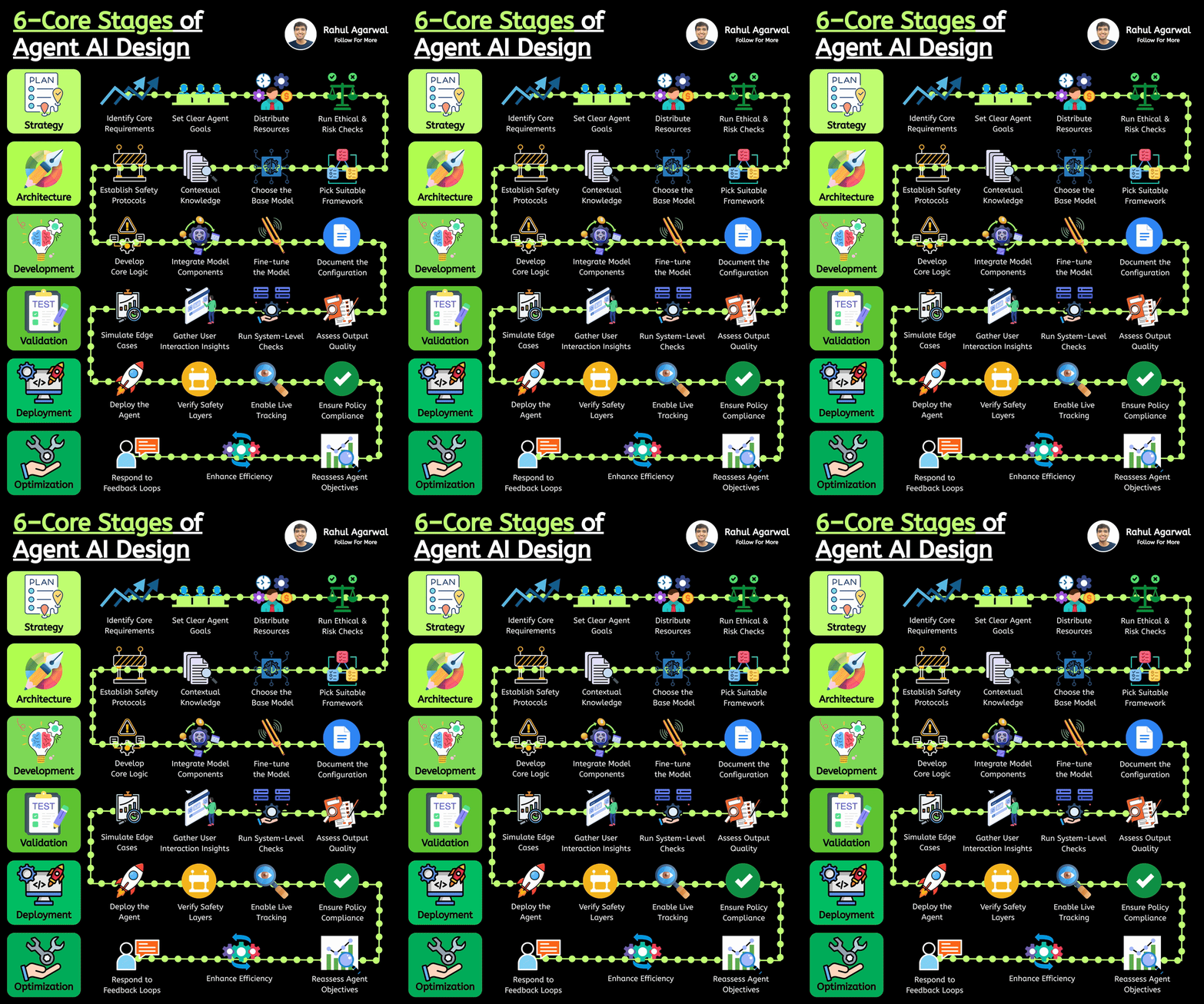


Anonymous
Hey I am on Medial • 1y
Microsoft has launched a new piece of open source infrastructure which allows users to direct multiple AI agents to work together to complete user tasks. Magentic-One (a play on Microsoft and Agentic) employs a multi-agent architecture where a lead
See More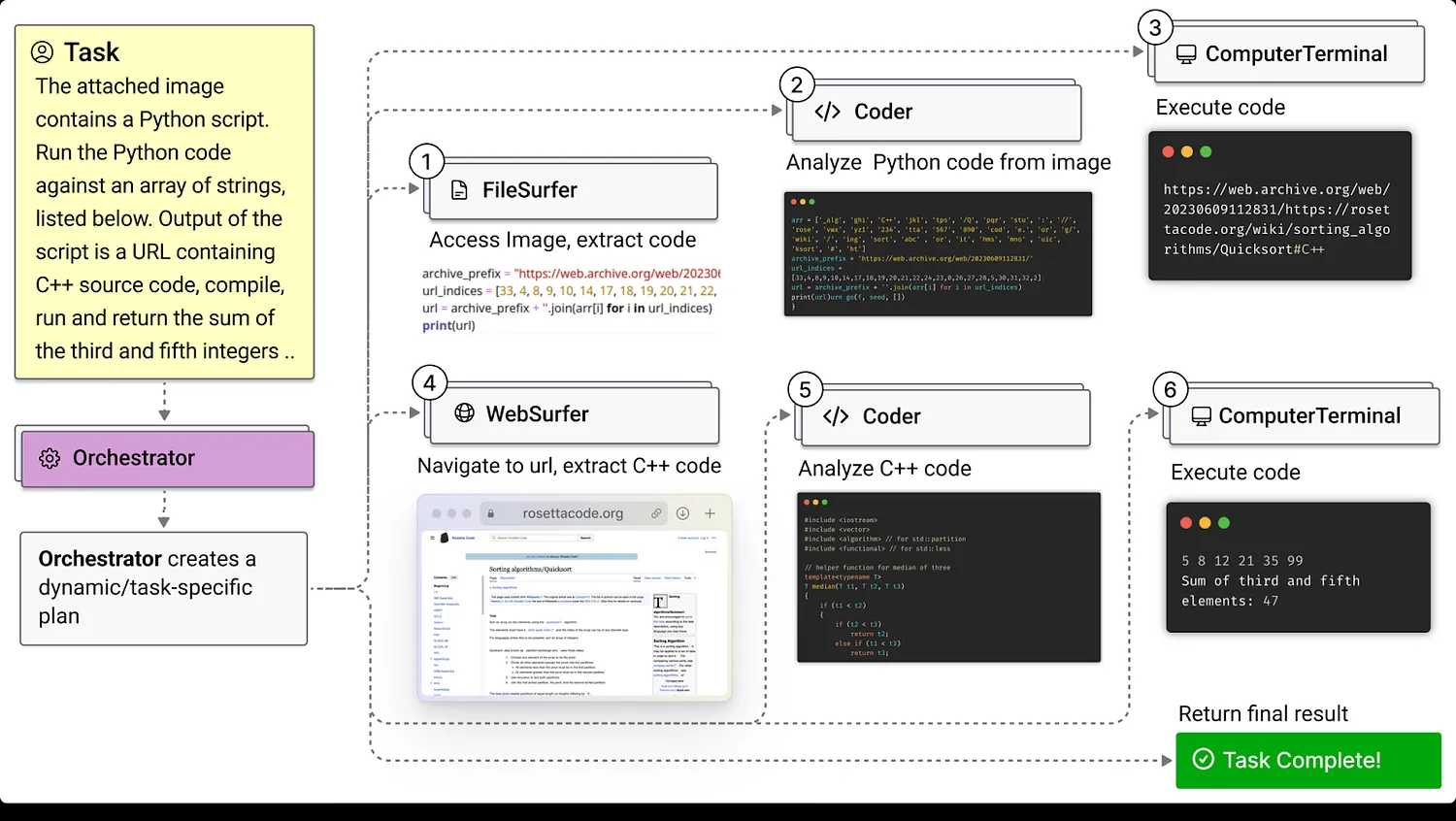






Rahul Agarwal
Founder | Agentic AI... • 25d
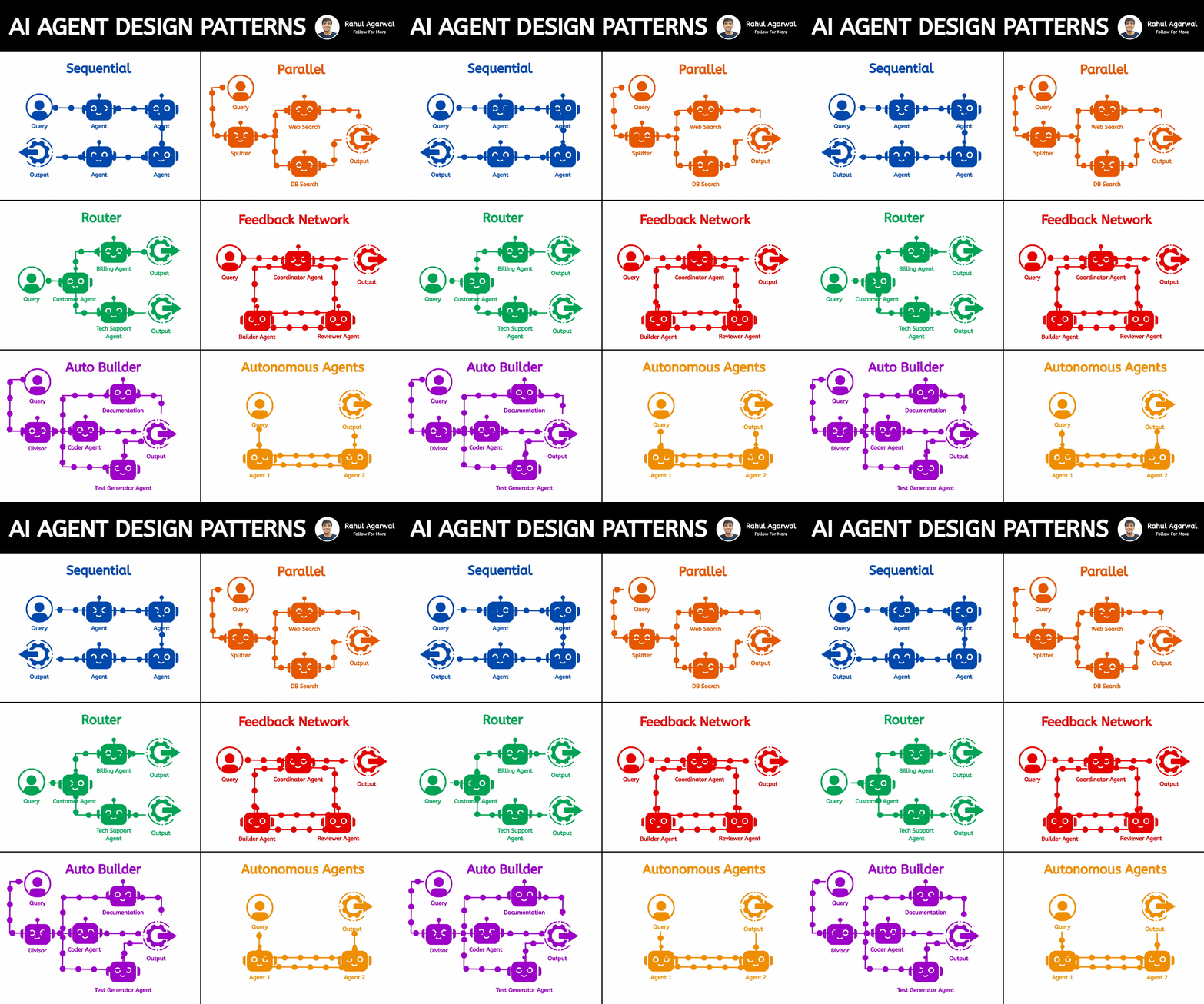
MCP is getting attention, but it’s just one piece of the puzzle If you’re developing Agentic AI systems, it’s crucial to understand more than just MCP. There are 5 key protocols shaping how AI agents communicate, collaborate, and scale intelligence
See More


Account Deleted
Hey I am on Medial • 1y
my next idea Health AI uses advanced AI for accurate diagnostics, personalized treatment, real-time health monitoring, and predictive analytics. It empowers users and doctors with tools for informed decisions, early risk detection, and efficient, se
See More




















Download the medial app to read full posts, comements and news.