

Back

Rahul Agarwal
Founder | Agentic AI... • 3h
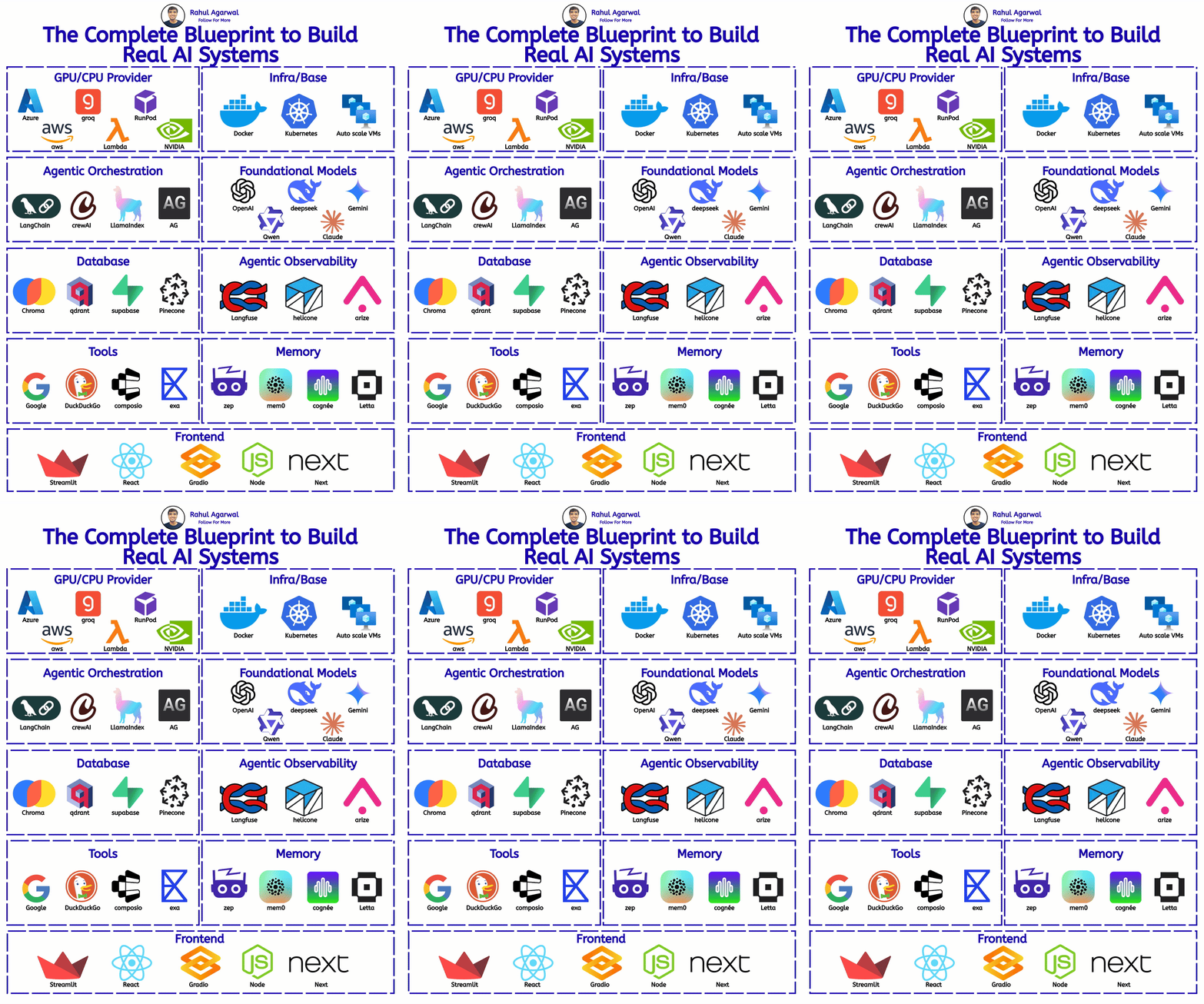
Steps to building Agentic AI systems from scratch. I've given a simple detailed explanation below. 𝗦𝘁𝗲𝗽 1 – 𝗚𝗣𝗨/𝗖𝗣𝗨 𝗣𝗿𝗼𝘃𝗶𝗱𝗲𝗿 (Compute Layer) • This is the engine that powers all AI computations. • You rent computing power to run your AI models. • Examples: AWS, Azure, NVIDIA, RunPod, groq, Lambda. • Without this, your model can’t think or respond. 𝗦𝘁𝗲𝗽 2 – 𝗜𝗻𝗳𝗿𝗮 / 𝗕𝗮𝘀𝗲 (𝗗𝗲𝗽𝗹𝗼𝘆𝗺𝗲𝗻𝘁 𝗙𝗼𝘂𝗻𝗱𝗮𝘁𝗶𝗼𝗻) • Tools like 𝗗𝗼𝗰𝗸𝗲𝗿, 𝗞𝘂𝗯𝗲𝗿𝗻𝗲𝘁𝗲𝘀, and 𝗔𝘂𝘁𝗼-𝘀𝗰𝗮𝗹𝗶𝗻𝗴 𝗩𝗠𝘀 handle hosting and scaling. • Keeps your AI system stable even as users grow. 𝗦𝘁𝗲𝗽 3 – 𝗙𝗼𝘂𝗻𝗱𝗮𝘁𝗶𝗼𝗻𝗮𝗹 𝗠𝗼𝗱𝗲𝗹𝘀 (𝗧𝗵𝗲 𝗕𝗿𝗮𝗶𝗻) • These 𝗟𝗟𝗠𝘀 perform reasoning, generate answers, and understand context. • Examples: 𝗢𝗽𝗲𝗻𝗔𝗜, 𝗖𝗹𝗮𝘂𝗱𝗲, 𝗚𝗲𝗺𝗶𝗻𝗶, 𝗗𝗲𝗲𝗽𝗦𝗲𝗲𝗸, 𝗤𝘄𝗲𝗻. 𝗦𝘁𝗲𝗽 4 – 𝗔𝗴𝗲𝗻𝘁𝗶𝗰 𝗢𝗿𝗰𝗵𝗲𝘀𝘁𝗿𝗮𝘁𝗶𝗼𝗻 (𝗧𝗵𝗲 𝗗𝗲𝗰𝗶𝘀𝗶𝗼𝗻 𝗠𝗮𝗸𝗲𝗿) • Once you have a brain, you need a 𝗰𝗼𝗻𝘁𝗿𝗼𝗹𝗹𝗲𝗿 to manage tasks and tools. • Frameworks like 𝗟𝗮𝗻𝗴𝗖𝗵𝗮𝗶𝗻, 𝗰𝗿𝗲𝘄𝗔𝗜, 𝗟𝗹𝗮𝗺𝗮𝗜𝗻𝗱𝗲𝘅, 𝗔𝗚 help your model: • Plan multi-step tasks • Call APIs or databases • Manage tool usage & reasoning loops. 𝗦𝘁𝗲𝗽 5 – 𝗗𝗮𝘁𝗮𝗯𝗮𝘀𝗲 (𝗞𝗻𝗼𝘄𝗹𝗲𝗱𝗴𝗲 𝗦𝘁𝗼𝗿𝗮𝗴𝗲) • Vector DBs store data as embeddings so the model searches by 𝗺𝗲𝗮𝗻𝗶𝗻𝗴, not just words. • Examples: 𝗖𝗵𝗿𝗼𝗺𝗮, 𝗤𝗱𝗿𝗮𝗻𝘁, 𝗦𝘂𝗽𝗮𝗯𝗮𝘀𝗲, 𝗣𝗶𝗻𝗲𝗰𝗼𝗻𝗲. 𝗦𝘁𝗲𝗽 6 – 𝗔𝗴𝗲𝗻𝘁𝗶𝗰 𝗢𝗯𝘀𝗲𝗿𝘃𝗮𝗯𝗶𝗹𝗶𝘁𝘆 (𝗠𝗼𝗻𝗶𝘁𝗼𝗿𝗶𝗻𝗴 & 𝗗𝗲𝗯𝘂𝗴𝗴𝗶𝗻𝗴) • Once your agent is live, you need to 𝘁𝗿𝗮𝗰𝗸 𝗶𝘁𝘀 𝗽𝗲𝗿𝗳𝗼𝗿𝗺𝗮𝗻𝗰𝗲. • Tools like 𝗟𝗮𝗻𝗴𝗳𝘂𝘀𝗲, 𝗛𝗲𝗹𝗶𝗰𝗼𝗻𝗲 let you see what the agent is doing behind the scenes. • They help you fix errors, reduce hallucinations, and improve quality. 𝗦𝘁𝗲𝗽 7 – 𝗧𝗼𝗼𝗹𝘀 (𝗘𝘅𝘁𝗲𝗿𝗻𝗮𝗹 𝗦𝗸𝗶𝗹𝗹𝘀) • Give your AI access to real-time data and APIs. • Examples: 𝗚𝗼𝗼𝗴𝗹𝗲, 𝗗𝘂𝗰𝗸𝗗𝘂𝗰𝗸𝗚𝗼, 𝗖𝗼𝗺𝗽𝗼𝘀𝗶𝗼, 𝗘𝘅𝗮. • Adds real-world functionality. 𝗦𝘁𝗲𝗽 8 – 𝗠𝗲𝗺𝗼𝗿𝘆 (𝗟𝗼𝗻𝗴-𝗧𝗲𝗿𝗺 𝗖𝗼𝗻𝘁𝗲𝘅𝘁) • Unlike chatbots, agentic systems need 𝗹𝗼𝗻𝗴-𝘁𝗲𝗿𝗺 𝗺𝗲𝗺𝗼𝗿𝘆. • Tools like 𝗭𝗲𝗽, 𝗠𝗲𝗺0, 𝗖𝗼𝗴𝗻é𝗲, 𝗟𝗲𝘁𝘁𝗮 help the AI remember past interactions and learn from experience. • This makes conversations more personalized and contextual over time. 𝗦𝘁𝗲𝗽 9 – 𝗙𝗿𝗼𝗻𝘁𝗲𝗻𝗱 (𝗨𝘀𝗲𝗿 𝗜𝗻𝘁𝗲𝗿𝗳𝗮𝗰𝗲) • Where users interact with your agent. • Tools: 𝗦𝘁𝗿𝗲𝗮𝗺𝗹𝗶𝘁, 𝗥𝗲𝗮𝗰𝘁, 𝗡𝗲𝘅𝘁.𝗷𝘀 etc. • They help you build chat interfaces, dashboards, or embedded widgets. ✅ 𝗙𝗶𝗻𝗮𝗹 𝗙𝗹𝗼𝘄 1. Get computing power (GPU/CPU) 2. Set up infrastructure for scaling 3. Pick a foundational model (the brain) 4. Use orchestration frameworks to structure logic 5. Connect a database for knowledge storage 6. Add observability to monitor the system 7. Give your AI tools and memory 8. Build a frontend for users to interact ✅ Repost for others in your network who want to build AI systems.
More like this
Recommendations from Medial


Baqer Ali
AI agent developer |... • 5m
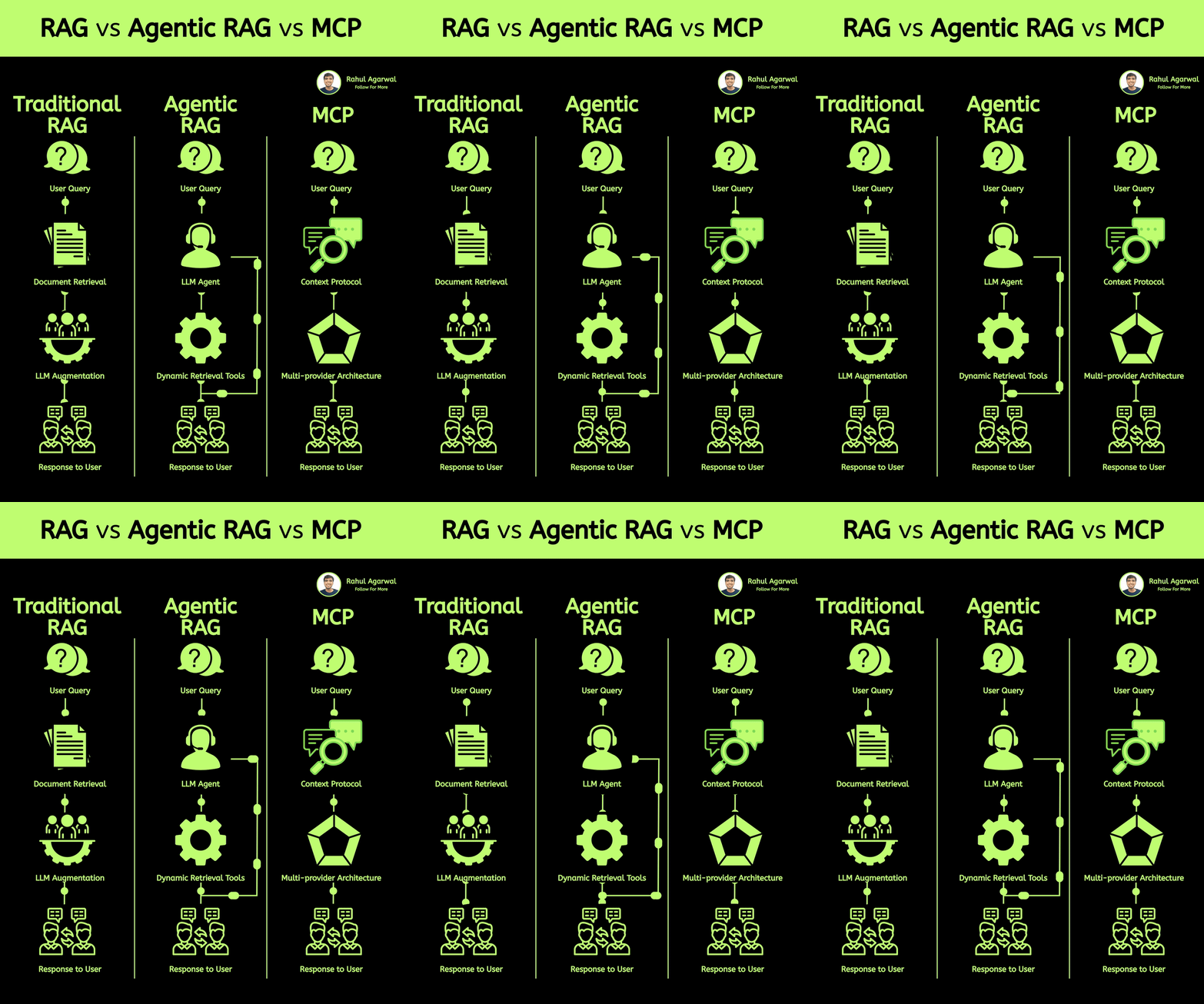
Yep 2025 is the era of ai agents. We have MCPS that is the Model context protocol in which your AI agent that is a LLM model will have a access to server and that server will have tools like duckduckgo serach YFinance etc this was from antopic ai and
See More



Ashinee Kesanam
Co-Founder of HSpect... • 7m
Google introduced yet another spectacular toolkit, the Agent Development Kit (ADK)—a free, open-source Python toolkit designed to simplify the creation of advanced AI agents. ADK empowers developers to build, test, and deploy multi-agent systems with
See More




Allison william
Hey I am on Medial • 4m
🗣️ What is an AI Voice Agent? AI voice agents are intelligent systems that can understand, interpret, and respond to human speech—powering everything from customer support bots to voice-enabled apps like Alexa and Siri. 🤖✨ These tools are revoluti
See More























Download the medial app to read full posts, comements and news.