

Back

Rahul Agarwal
Founder | Agentic AI... • 9h
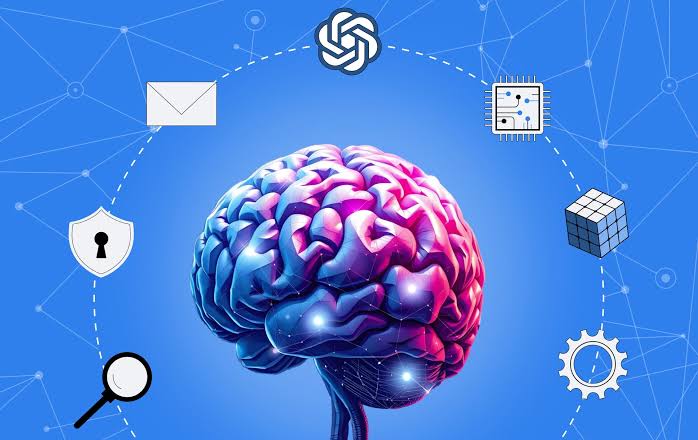
If you’re building AI agents today, here’s the reality: Calling an LLM isn’t enough anymore. Modern agents need a full system, a framework of interconnected components that help them think, reason, act, adapt, and collaborate autonomously. Here are the 10 𝗳𝗼𝘂𝗻𝗱𝗮𝘁𝗶𝗼𝗻𝗮𝗹 𝗲𝗹𝗲𝗺𝗲𝗻𝘁𝘀 𝗲𝘃𝗲𝗿𝘆 𝗽𝗿𝗼𝗱𝘂𝗰𝘁𝗶𝗼𝗻-𝗿𝗲𝗮𝗱𝘆 𝗔𝗜 𝗮𝗴𝗲𝗻𝘁 𝗻𝗲𝗲𝗱𝘀: 1. 𝗡𝗮𝘁𝘂𝗿𝗮𝗹 𝗟𝗮𝗻𝗴𝘂𝗮𝗴𝗲 𝗠𝗼𝗱𝗲𝗹 (𝗟𝗟𝗠) The core engine for understanding and generating language. Models like GPT-4, Claude, and Gemini power communication and reasoning. 2. 𝗠𝗲𝗺𝗼𝗿𝘆 𝗦𝘆𝘀𝘁𝗲𝗺 (𝗦𝗵𝗼𝗿𝘁-𝗧𝗲𝗿𝗺 + 𝗣𝗲𝗿𝘀𝗶𝘀𝘁𝗲𝗻𝘁) Agents must remember context across tasks and sessions. Frameworks like LangChain Memory, Weaviate, and Chroma handle this. 3. 𝗞𝗻𝗼𝘄𝗹𝗲𝗱𝗴𝗲 𝗕𝗮𝘀𝗲 / 𝗩𝗲𝗰𝘁𝗼𝗿 𝗦𝘁𝗼𝗿𝗲 Provides structured facts, documents, and domain intelligence. Popular options: Pinecone, Redis, Milvus. 4. 𝗣𝗹𝗮𝗻𝗻𝗶𝗻𝗴 & 𝗧𝗮𝘀𝗸 𝗕𝗿𝗲𝗮𝗸𝗱𝗼𝘄𝗻 Turns large objectives into manageable steps. Tools like CrewAI and MetaGPT automate multi-step reasoning. 5. 𝗧𝗼𝗼𝗹 𝗨𝘀𝗲 & 𝗔𝗣𝗜 𝗔𝗰𝗰𝗲𝘀𝘀 Allows the agent to perform real work — not just talk. OpenAI Function Calling, AutoGen, and ReAct enable this. 6. 𝗘𝘅𝗲𝗰𝘂𝘁𝗶𝗼𝗻 & 𝗔𝗰𝘁𝗶𝗼𝗻 𝗟𝗼𝗼𝗽 Carries out tasks, evaluates outcomes, and loops until completion. Patterns like BabyAGI and Agent Looping make this possible. 7. 𝗥𝗲𝗮𝘀𝗼𝗻𝗶𝗻𝗴 𝗙𝗿𝗮𝗺𝗲𝘄𝗼𝗿𝗸𝘀 Determines the best next move using structured thinking. Methods include Chain-of-Thought, ToT, and self-reflection. 8. 𝗚𝘂𝗮𝗿𝗱𝗿𝗮𝗶𝗹𝘀 & 𝗦𝗮𝗳𝗲𝘁𝘆 𝗖𝗼𝗻𝘁𝗿𝗼𝗹𝘀 Prevents harmful, incorrect, or unintended behavior. GuardrailsAI, moderation APIs, and policy layers handle this. 9. 𝗠𝗼𝗻𝗶𝘁𝗼𝗿𝗶𝗻𝗴, 𝗟𝗼𝗴𝗴𝗶𝗻𝗴 & 𝗙𝗲𝗲𝗱𝗯𝗮𝗰𝗸 Tracks performance, errors, and improvements over time. Helicone, Weights & Biases, and observability stacks help here. 10. 𝗠𝘂𝗹𝘁𝗶-𝗔𝗴𝗲𝗻𝘁 𝗖𝗼𝗼𝗿𝗱𝗶𝗻𝗮𝘁𝗶𝗼𝗻 For complex workflows, multiple agents need to cooperate. Systems like AgentVerse and CrewAI enable specialization and teamwork. Powerful AI agents are a coordinated ecosystem of memory, reasoning, tooling, and automation working together. Share it so others can learn about AI and benefit from this.
More like this
Recommendations from Medial

Kimiko
Startups | AI | info... • 6m
AI Agents now have muscle memory. This Python SDK records agent tool-calling patterns, replays them for repeated tasks, and falls back to agent mode for edge cases. 100% Opensource. Read more here: https://www.theunwindai.com/p/muscle-memory-for-a
See More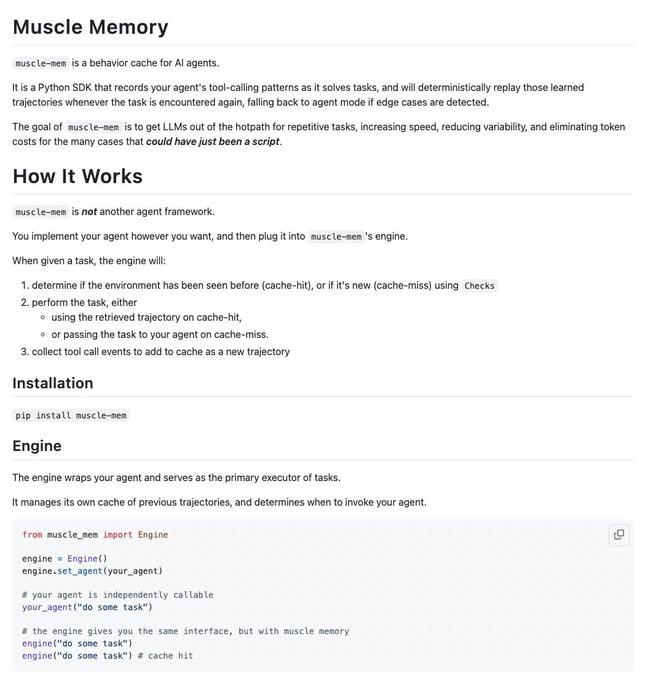



Anonymous
Hey I am on Medial • 1y
Microsoft has launched a new piece of open source infrastructure which allows users to direct multiple AI agents to work together to complete user tasks. Magentic-One (a play on Microsoft and Agentic) employs a multi-agent architecture where a lead
See More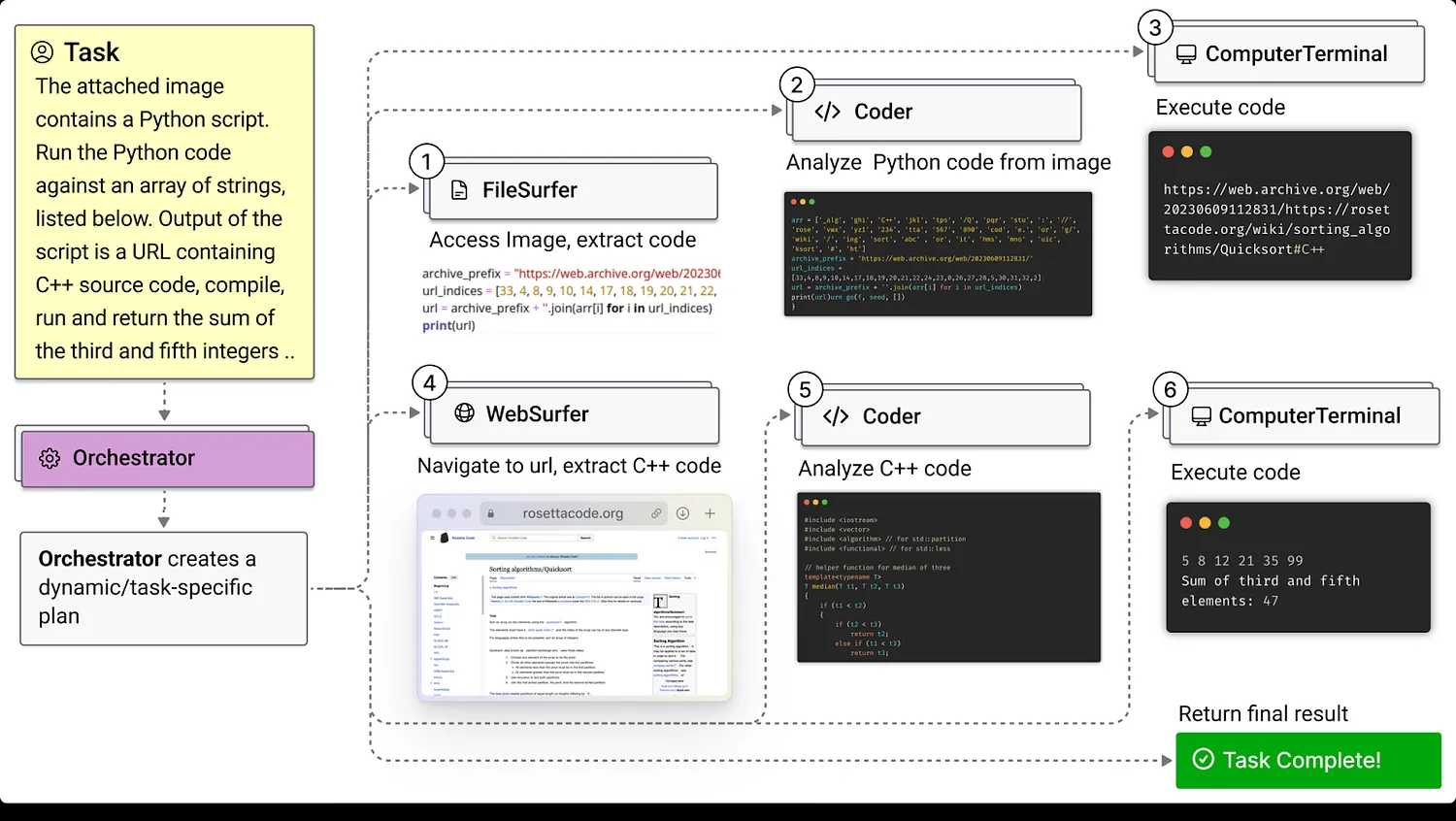

Baqer Ali
AI agent developer |... • 1m
🚨 BREAKING: Anthropic just dropped the tutorial on "Building AI Agents with Claude Agent SDK" Here's what it covers: > Agent Loop Gather context → Take action → Verify work → Repeat. Your agent searches files, executes tasks, checks its output, t
See More

Aparna Pradhan
fullstack dev specia... • 4m
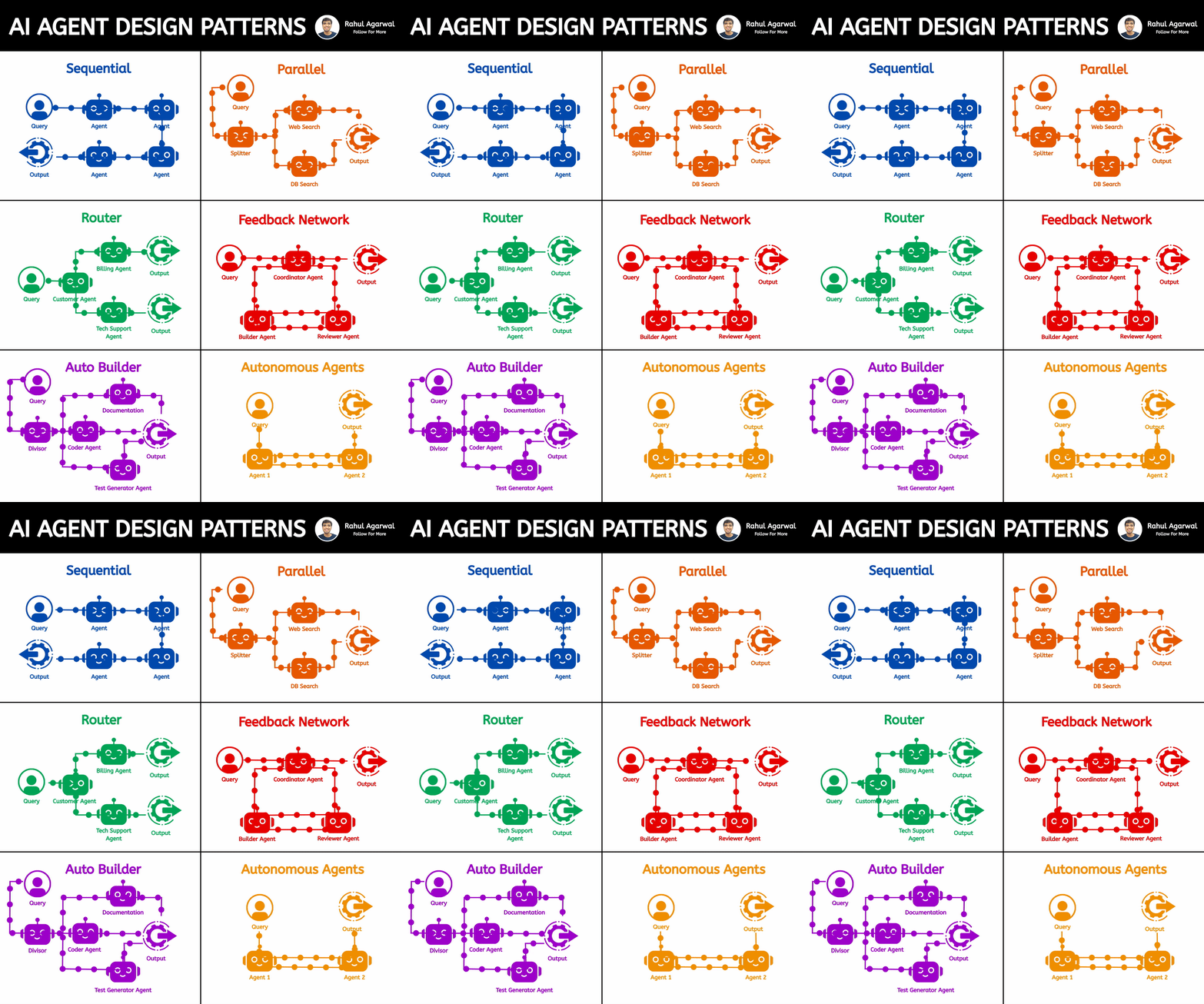
Hey friends, I’ve been building something close to my heart — a *portfolio project* that reimagines how AI can work as your startup team. Introducing *AgentFlow* — a *virtual office of autonomous AI agents* that think, plan, and collaborate like a le
See More





Chetan Sable
Turning ambitious id... • 7m
🧠💻 Say Hello to Google's Agent Development Kit (ADK)! 🚀 Unveiled at Google Cloud Next '25, the Agent Development Kit (ADK) is an open-source framework designed to simplify the creation of intelligent, modular, and production-ready AI agents. 🔹
See More























Download the medial app to read full posts, comements and news.