News on Medial

P2P payments being evaluated for UPI One World: sources

Economic TimesEconomic Times · 1y ago
P2P payments being evaluated for UPI One World: sources
Medial

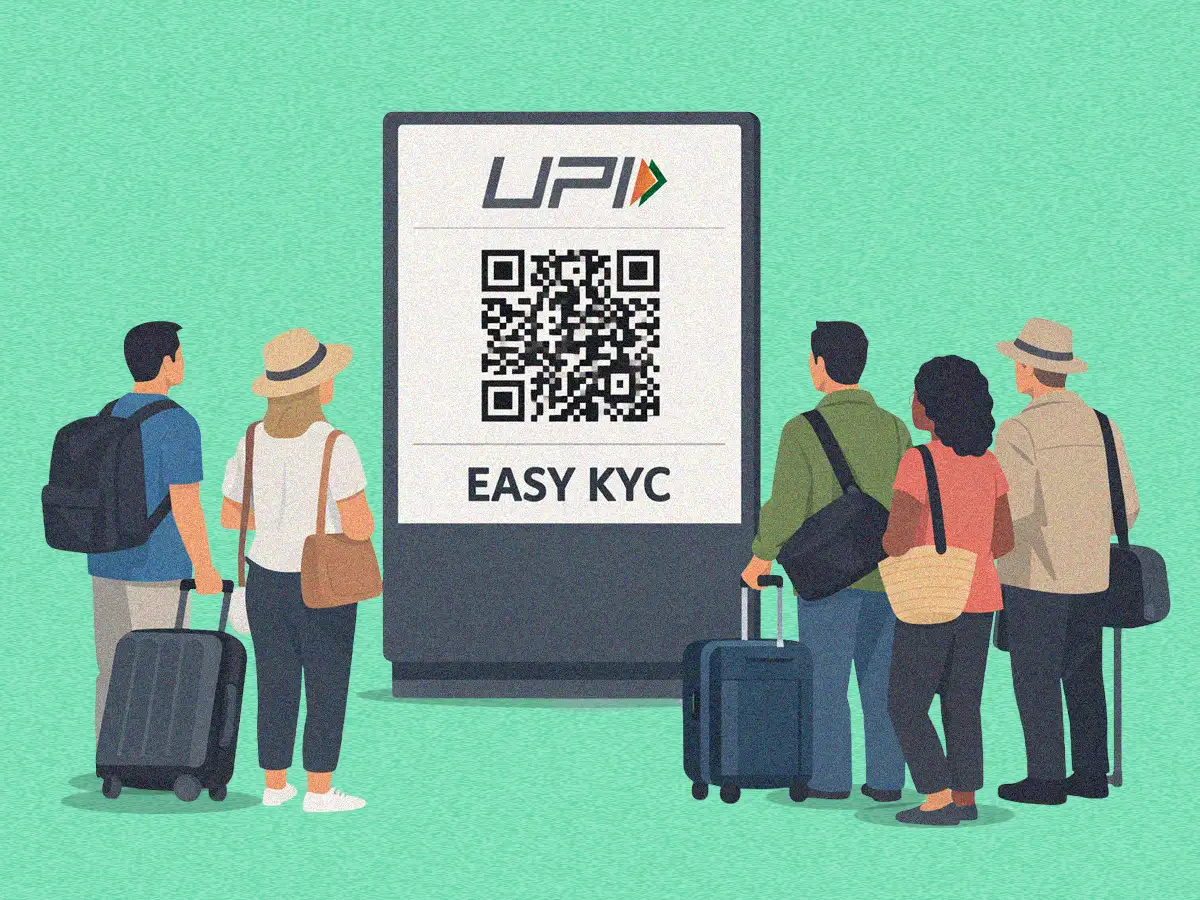
The UPI One World service in India, currently used by foreign travellers for merchant transactions, may soon be expanded to include interpersonal transactions. Once approved, users will be able to make payments to small merchants, public transporters, and tourist guides using this service. Currently, only five players are enabled on UPI One World, but the potential for growth is hindered by the requirement for physical KYC and the restriction to only merchant transactions. Suggestions have been made to allow P2P transactions with a limit of Rs 5,000 initially. The volume of UPI One World transactions remains relatively small compared to overall UPI payments. Efforts are being made to facilitate digital verification of visas and travel permits. Enabling international travellers to experience UPI during their stay in India is seen as a way to showcase the technology.

Related News

Exclusive: Major shift in UPI as Govt may allow MDR for large merchants

EntrackrEntrackr · 9m ago
Exclusive: Major shift in UPI as Govt may allow MDR for large merchants
Medial

Exclusive: Major shift in UPI as Govt may allow MDR for large merchants As of now, the government provides 15 basis points (bps) of subsidy for UPI transactions below Rs 2,000. One basis point is one-hundredth of a percentage point. Banks may soon find a monetization opportunity in Unified Payments Interface (UPI) transactions, with the Finance Ministry (FM) and the Reserve Bank of India (RBI) likely to permit Merchant Discount Rate (MDR) collection only from large merchants. According to three sources familiar with the matter, the move is under active consideration and targets businesses handling high volumes of UPI payments. "Large merchants such as Amazon, Dream11, Swiggy, Zomato, and Zepto may soon start paying MDR to banks," said one of the sources requesting anonymity. "The Finance Ministry and the RBI are likely to define a threshold such as daily UPI transaction volume/value for MDR applicability on high-UPI transacting merchants," the source added. MDR on UPI refers to the fee that banks charge merchants for processing UPI-based payment transactions. “The new MDR slab comes with a condition that large merchants will not be allowed to pass on MDR to consumers, they must bear it as a cost of doing business,” said the person quoted above. According to sources, the discussion on applying MDR on UPI transactions has been ongoing since the last quarter of FY25. The potential move comes in response to growing concerns from banks and payment aggregators around the sustainability of UPI infrastructure, which currently operates without any revenue model and inadequate subsidy. “Banks are already bearing losses on UPI. Ongoing costs like server upgrades, tech investments, and compliance add up. Without MDR from large merchants, sustaining UPI’s growth will be difficult,” said one of the senior banking executives of a leading private bank requesting anonymity. Last year, the Payments Council of India (PCI) proposed that large merchants, already paying 2% MDR on cards, should also pay 25 bps for UPI, as subsidies aren’t needed given UPI’s popularity and lower cost. In March, PCI wrote to PM Modi highlighting that the government’s Rs 1,500 crore subsidy covers only a small part of the Rs 10,000 crore needed annually to sustain UPI. Ongoing investment in innovation, cybersecurity, compliance, and infra justifies the 25 bps MDR for large merchants. Banks used to charge 30 bps on UPI transactions before it was waived off completely by the FM in 2020. Sources say the government will likely allow banks to charge MDR on large merchants soon, but no exact timeline has been set. Queries sent to RBI and the Finance Ministry received no response. As per sources, the policy is still at a deliberation stage, and no final decision has been made by the Finance Ministry or RBI. Policy decisions may change or evolve before formal notification. Despite soaring UPI volumes, the current revenue model is unsustainable, causing strain on banks, Payment Aggregators, and Payment System Providers (PSPs). Introducing MDR could provide crucial support to banks and enable a revenue-sharing model that benefits PAs, PGs, and PSPs.

Download the medial app to read full posts, comements and news.